What Are Some Useful Dog Training Devices Recommended by Vets?
Training a dog is more than just teaching tricks—it is about building a healthy relationship, ensuring safety, and correcting unwanted behavior. Many pet owners struggle with barking, jumping, chewing, or wandering, and they often look for effective tools to make training easier. But with so many products on the market, how do you know which ones are safe and effective?
That’s where veterinarians’ advice becomes valuable. Vets not only understand canine behavior but also prioritize the health and well-being of pets. Their recommendations help pet owners and professional trainers choose the right devices. In this blog, we will explore some useful dog training devices that veterinarians often recommend, why they are effective, and how they can benefit both pet owners and businesses in the pet supply industry.
Why Use Dog Training Devices?
Dog training devices play an important role in helping owners guide their pets toward better behavior, improved safety, and stronger communication. While basic training techniques such as verbal commands and positive reinforcement are essential, many dogs require additional training supplies and tools to correct unwanted habits like excessive barking, pulling on the leash, or ignoring recall. This is where training devices come in.
Veterinarians often recommend using training aids because they are designed to be safe, humane, and effective when applied correctly. For example, bark control collars gently discourage nuisance barking, while remote training collars allow owners to reinforce commands at a distance. Ultrasonic devices provide non-contact correction, and GPS trackers help prevent dogs from wandering too far. These tools give pet parents more control, reduce stress during training, and help build consistent routines.
For busy owners, training devices also save time by accelerating the learning process. Instead of repeated frustrations, they can quickly redirect a dog’s focus and reward positive behavior. When paired with patience, love, and consistency, the right devices make training more enjoyable for both pets and their owners.
Ultimately, using dog training devices is not about punishment—it’s about guidance, safety, and harmony between dogs and humans.
What Dog Training Devices Do Vets Commonly Recommend?
Dog training devices come in many forms, but not all of them are safe or effective. Veterinarians usually highlight a few categories that balance behavior correction with safety and comfort. These devices are designed to help pet parents train their dogs more efficiently while avoiding unnecessary stress or harm. Let’s take a closer look at some of the most recommended options.
1. Bark Control Collars
Excessive barking is one of the most common behavioral issues in dogs. Bark collars provide an effective, humane way to control this problem. Modern bark control collars come in several types:
- Vibration Collars: Gently vibrate to distract the dog.
- Sound Collars: Emit a beep when barking is detected.
- Citronella Spray Collars: Release a harmless spray to discourage barking.
- Ultrasonic Collars: Use high-frequency sounds that are unpleasant to dogs but inaudible to humans. They are a non-contact, humane option for many households.
- Mild Static Collars: Use adjustable static stimulation for stubborn cases.
Vets recommend bark collars with multiple adjustable modes, allowing pet owners to choose the most effective yet gentle method based on their dog’s breed and temperament. Ultrasonic collars, in particular, are often highlighted for being contact-free and highly humane, making them a preferred option for sensitive or smaller dogs.
2. Remote Training Collars
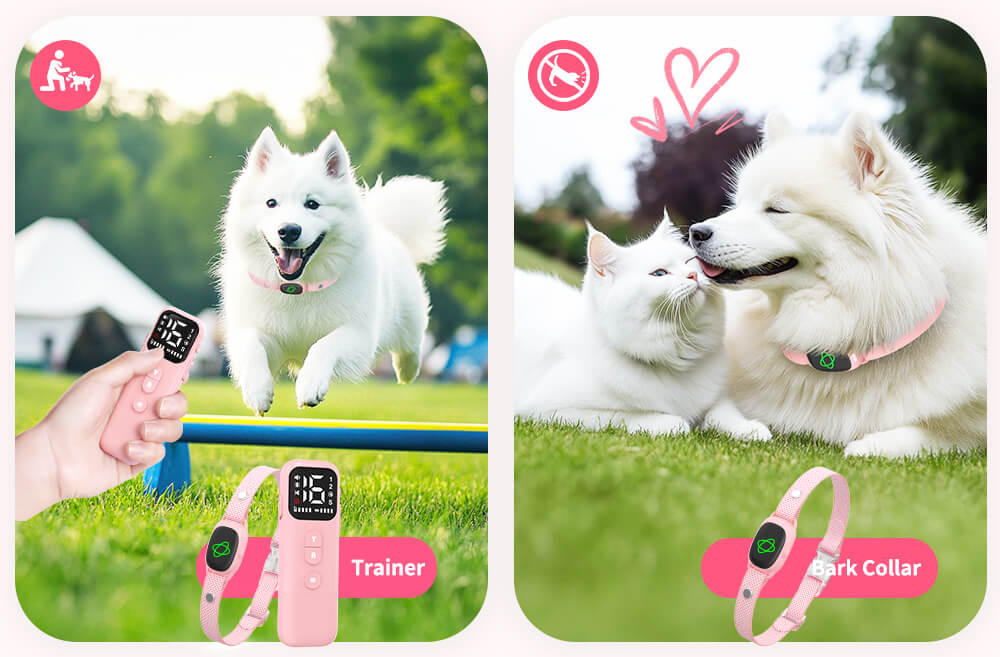
Remote training collars are widely recommended by vets for obedience training and correcting bad habits like jumping, chasing, or ignoring recall commands. These devices typically include:
- Sound Alerts for basic attention.
- Vibration Modes as a gentle correction.
- Adjustable Static Levels for stubborn behavior.
When used responsibly and under professional guidance, remote collars can significantly improve communication between dogs and their owners.
3. Ultrasonic Dog Repellers
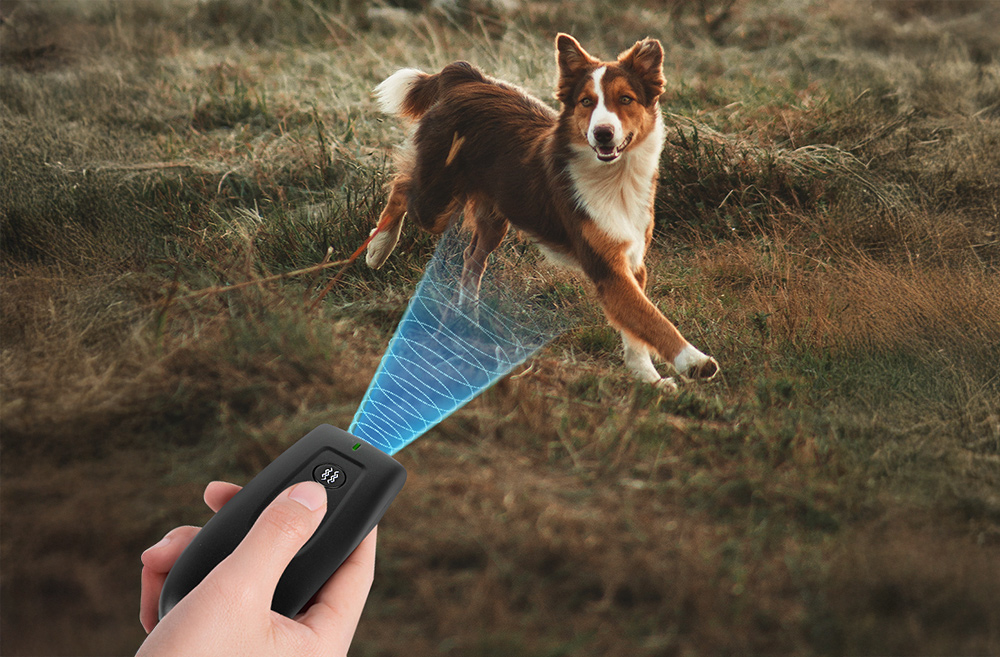
Ultrasonic devices emit a high-frequency sound that is harmless but unpleasant for dogs. They are recommended for situations where barking needs to be stopped without direct contact or when keeping dogs away from restricted areas. These devices are:
- Portable and Handheld: Perfect for outdoor walks or training sessions.
- Safe and Humane: No physical correction, only sound deterrence.
- Effective for Bark Control: Helps reduce nuisance barking in a gentle way.
4. GPS Wireless Fences & Trackers
Keeping dogs safe outdoors is a priority for every pet owner. Vets often recommend GPS-based wireless fences as an alternative to traditional fences. These systems create invisible boundaries and alert the dog when they cross the safe zone.
In addition, GPS trackers are becoming increasingly popular for active dogs. Owners can monitor real-time location, track activity levels, and prevent pets from getting lost. This technology is especially recommended for large yards and adventurous breeds.
5. LED Collars & Harnesses (as Dog Training Safety Aids)
While LED collars and harnesses are not direct training tools, vets recommend them for training sessions conducted in the evening or early morning. High visibility reduces accidents, keeps pets safe near traffic, and provides peace of mind to owners.
For retailers and suppliers, these products are also excellent add-ons to training device collections.
6. Dog Training Clickers and Whistles
Clickers and whistles may seem simple, but they are among the most widely recommended training aids by veterinarians. These devices use sound-based cues to reinforce positive behavior quickly and consistently.
- Clickers: Provide a distinct “click” sound that marks correct behavior at the exact moment it happens. This makes it easier for dogs to understand what action is being rewarded.
- Whistles: Produce consistent tones that travel farther than the human voice, making them ideal for recall training outdoors.
Both tools are gentle, effective, and affordable, making them a great starting point for obedience training. When paired with treats or praise, clickers and whistles help build a clear communication bridge between dogs and their owners.
Are Shock Collars a Safe and Ethical Dog Training Tool?
One of the most debated training devices is the shock collar, also called an electronic collar or e-collar. While some pet owners worry about their safety, veterinarians and professional trainers note that modern shock collars are far more advanced and humane than older models. Instead of delivering painful shocks, today’s collars are designed with adjustable intensity levels and often include sound and vibration modes as the first line of correction.
When used properly, shock collars can be a safe and effective tool for addressing stubborn behaviors such as chasing, ignoring recall, or excessive barking. However, vets emphasize a few important guidelines:
- Start with the lowest setting: Always begin with sound or vibration before considering static correction.
- Never use continuously: Collars should not be left on for extended periods, and corrections should be brief.
- Pair with positive reinforcement: Training works best when combined with rewards like treats or praise.
- Seek professional advice: Consult with a veterinarian or trainer before using a shock collar, especially for sensitive breeds or anxious dogs.
In short, shock collars are not inherently harmful, but they must be used responsibly. When combined with proper training techniques, they can be an ethical option for certain situations—especially when recommended by a veterinarian.
How to Choose the Right Training Device for Your Dog
Every dog is different, and what works for one may not work for another. Before purchasing a dog training device, consider these tips:
- Breed & Size: Larger breeds may need stronger correction modes, while smaller dogs benefit from gentle vibration or sound.
- Temperament: Nervous dogs often respond better to sound or vibration, while confident dogs may require more advanced modes.
- Start Gentle: Always begin with the least invasive option before moving to stronger corrections.
- Vet Consultation: If in doubt, consult your veterinarian before introducing a new device.
Dog Obedience Training Equipment List by Vet-Recommended
When it comes to obedience training, having the right equipment makes all the difference. Below is a list of commonly recommended tools that support effective and humane dog training. Each item serves a specific purpose and can be selected based on the dog’s size, breed, and temperament.
- Bark Control Collars: Available in vibration, sound, spray, ultrasonic, and adjustable static modes to gently reduce nuisance barking.
- Remote Training Collars: Allow owners to reinforce commands such as sit, stay, and recall, even from a distance.
- Ultrasonic Devices: Handheld or collar-style tools that use high-frequency sound to interrupt unwanted behavior.
- GPS Wireless Fences: Provide invisible boundaries to keep dogs safely contained without traditional fencing.
- GPS Trackers: Monitor a dog’s real-time location, activity levels, and movements for added safety.
- LED Collars and Harnesses: Improve visibility during evening training sessions, keeping both dogs and owners safe.
- Training Leashes and Harnesses: Essential for teaching loose-leash walking and preventing pulling.
- Clickers and Whistles: Simple yet powerful tools to reinforce positive behavior with sound cues.
By combining these devices with patience and positive reinforcement, pet owners can create a more structured training environment that leads to long-lasting obedience and trust.
Buying Vet-Recommended Training Devices in Bulk
The global market for pet training devices is expanding rapidly as pet ownership continues to rise worldwide. Wholesalers, retailers, and e-commerce sellers can greatly benefit from offering vet-recommended training tools, as these products are trusted by pet parents and have proven demand. Some key advantages include:
- High Demand: Pet owners actively seek safe, effective, and humane training devices.
- Brand Trust: Selling products recommended by veterinarians builds credibility and customer loyalty.
- Market Growth: Training devices are one of the fastest-growing categories in the pet accessories industry, ensuring long-term sales opportunities.
At TIZE, we go beyond supplying dog training device products — we deliver reliable manufacturing capacity and professional support to our global partners. With a 10,000㎡ modern production facility and a 5,000㎡ warehouse, we ensure both large-scale production and efficient inventory management. Our product range covers bark collars, remote training collars, ultrasonic repellers, GPS wireless fences, LED safety collars, and more.
In addition, TIZE offers OEM/ODM customization services, enabling partners to design products that fit their target markets. Whether you are a distributor, pet store, or e-commerce brand, our team provides one-stop wholesale solutions with consistent quality, timely delivery, and competitive pricing.
By choosing TIZE as your supplier, you gain not only access to a wide portfolio of vet-recommended dog training devices but also a manufacturing partner that supports your business growth worldwide.
Conclusion
Training is an essential part of raising a well-behaved dog, and using the right devices makes the process easier, safer, and more effective. Veterinarians recommend bark control collars, remote training collars, ultrasonic devices, GPS systems, and LED safety gear as reliable solutions for pet owners.
For businesses in the pet supply industry, offering vet-recommended training tools for dogs is a smart investment that ensures customer satisfaction and long-term growth.
Explore TIZE’s wide range of dog training devices trusted by vets and loved by pet owners worldwide. Contact us today for wholesale or OEM solutions tailored to your market
What Is a Smart Dog Collar and How It Keeps Your Pet Safe
6 Must-Have Dog Training Tools for Every Dog Owner
Related Article