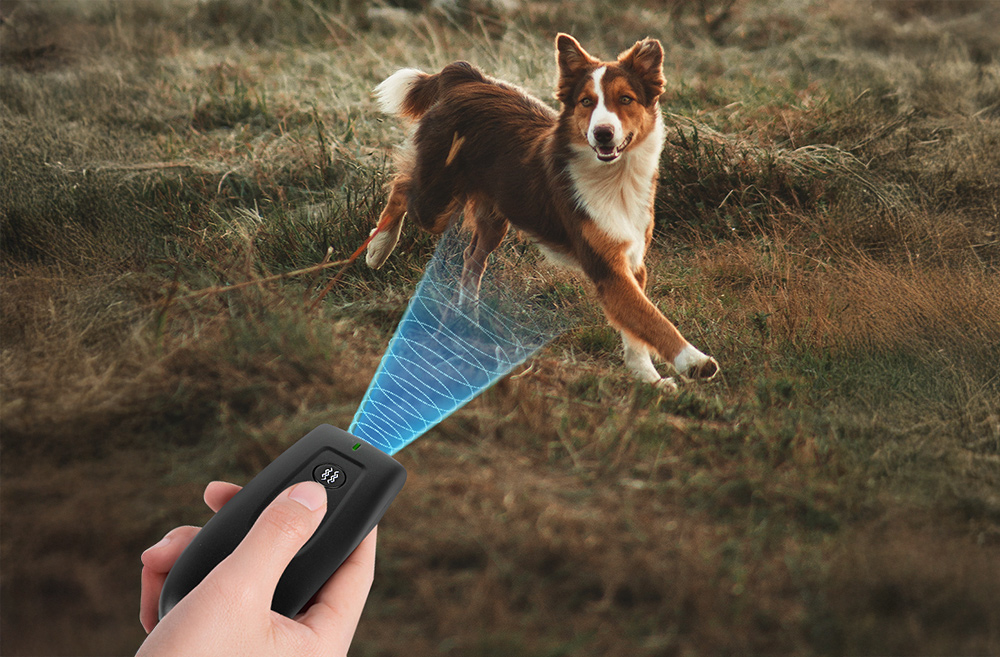
Bark Collar vs Training Collar: What's the Difference?
When searching for dog behavior control products, many buyers—both dog owners and professional importers—often get confused by two very similar-looking devices: bark collars and training collars.
At first glance, they both appear to be electronic dog collars, and some even share similar features such as sound, vibration, or static stimulation. However, their core purposes, working methods, and use cases are very different.
In this article, we’ll clearly explain:
- What a bark collar is and how it works
- What a training collar (also known as a remote trainer or e-collar) is
- The key differences between a bark collar and a training collar
- Why 2 in 1 bark and training collars are becoming increasingly popular in the global market
Whether you’re a retailer, brand owner, or wholesale buyer, this guide will help you choose the right solution—or product line—for your market.
What Is a Bark Collar?
A bark collar, also known as an anti-bark collar or bark control collar, is designed specifically to reduce or stop excessive barking.
How Does a Bark Collar Work?
Bark collars work automatically. Once the collar detects barking through sound sensors, vibration sensors, or throat vibration detection, it immediately activates a correction signal. This signal can be:
- Sound (beep)
- Vibration
- Ultrasonic sound
- Static stimulation (low-level and adjustable)
Importantly, no remote control is required. The collar operates independently based on the dog’s barking behavior.
Main Purpose of a Bark Collar
The primary goal of a bark collar is simple:
to control unwanted barking.
It is especially useful in situations such as:
- Dogs barking excessively when left alone at home
- Night-time barking that disturbs neighbors
- Apartment or community environments with noise restrictions
Because bark collars are automatic, they are ideal for owners who are not present at all times.
Common Types of Bark Collars
There are several popular bark collar types on the market:
- Sound & vibration bark collars – no static, suitable for sensitive dogs
- Ultrasonic bark collars – use high-frequency sound as correction
- Static bark collars – adjustable intensity, usually combined with beep or vibration
Each type targets different user preferences and regulatory requirements in different regions.
What Is a Training Collar (Remote Trainer / E-Collar)?
A training collar, often referred to as a remote dog trainer or e-collar, is a multi-functional device designed for active dog training.
How Does a Training Collar Work?
Unlike bark collars, training collars require human control. The handler uses a remote transmitter to activate training signals when necessary.
Common training modes include:
- Beep
- Vibration
- Static stimulation
The key difference is that the correction is triggered by the trainer, not automatically.
What Can a Training Collar Be Used For?
Training collars are widely used for:
- Obedience training (sit, stay, recall)
- Correcting bad habits (jumping, chasing, digging)
- Off-leash and long-distance training
- Professional dog training and working dogs
Because of their remote control function, training collars allow precise timing, which is essential for effective behavioral training.
Training Collar vs E-Collar: Is There a Difference?
In practice, there is no real functional difference.
“E-collar” is simply a market term referring to electronic training collars. In most B2B and retail contexts, the two terms are interchangeable.
Bark Collar vs Training Collar: Key Differences Explained
Although bark collars and training collars may look similar, their design logic and application scenarios are fundamentally different.
Control Method
- Bark collar: Automatic activation based on barking detection
- Training collar: Manual activation using a remote control
Main Training Goal
- Bark collar: Targets barking behavior only
- Training collar: Addresses multiple behaviors and commands
User Involvement
- Bark collar: Minimal involvement after setup
- Training collar: Requires active participation and timing
Suitable Scenarios
- Bark collar: Indoor use, unattended dogs, noise control
- Training collar: Outdoor use, obedience training, professional handling
This is why many buyers searching for bark collar vs training collar are often unsure which product best fits their needs.
2 in 1 Bark and Training Collar Explained
Can one device do both?As dog owners’ needs evolve, a new category has gained popularity: the 2 in 1 bark and training collar.
What Is a 2 in 1 Bark and Training Collar?
A bark collar and remote trainer combines:
- Automatic bark control
- Remote-controlled training functions
In other words, one collar supports two working modes.
How Does a 2 in 1 System Work?
- Bark mode: The collar automatically detects barking and delivers correction signals.
- Training mode: The handler uses a remote control to activate training signals manually.
Advantages of a 2 in 1 Dog Training Collar and Bark Control Collar
This hybrid solution offers several benefits:
- One device covers multiple use scenarios
- Reduced need to switch collars
- Better value for end users
- Higher perceived functionality
From a B2B perspective, anti-bark and remote training collars also help simplify product lines and inventory management.
Which One Should You Choose?
Choosing the right product depends on the dog’s behavior and the user’s goals.
- Only barking issues: → A bark collar is sufficient.
- General obedience and behavior training: → A training collar is the better choice.
- Both barking and training needs: → A 2 in 1 bark and training collar offers the most flexibility.
Other factors to consider include:
- Dog size and temperament
- Indoor vs outdoor usage
- Owner experience level
Why 2 in 1 Bark & Training Collars Are Popular Among Importers and Retailers
From a global trade and sourcing perspective, 2 in 1 solutions have become increasingly attractive.
Benefits for B2B Buyers
- Fewer SKUs, lower inventory pressure
- Broader market appeal
- Easier product positioning
- Stronger value proposition for online listings
Many wholesalers and OEM brands prefer bark collars with remote control because they can target multiple customer segments with one product.
Market Trend Insight
Search trends such as:
- 2 in 1 dog training collar and bark control collar
show growing demand for multifunctional products, especially in North America and Europe.
Conclusion
While bark collars and training collars may look similar, they serve very different purposes.
A bark collar is designed for automatic barking control, while a training collar focuses on active behavior training.
For users who need both, a 2 in 1 bark and training collar offers a practical and cost-effective solution.
This versatility is also why such products are increasingly favored by retailers, importers, and private-label brands worldwide.
Understanding these differences allows buyers to make smarter sourcing decisions—and helps brands position the right products for the right markets.
Manufacturer Insight: Choosing a Reliable Bark & Training Collar Supplier
From a manufacturer’s perspective, product performance and stability are just as important as features.
At TIZE, we specialize in the design and manufacturing of bark collars, remote training collars, and 2 in 1 bark and training collar solutions for global markets.
With years of experience working with wholesalers, private-label brands, and e-commerce sellers, TIZE focuses on:
- Humanely designed correction modes (sound, vibration, low-level static)
- Stable bark detection algorithms to reduce false triggers
- Long-range and reliable remote training systems
- OEM & ODM customization for different market requirements
For buyers looking to source anti-bark and remote training collars that balance effectiveness, compliance, and market demand, working directly with a specialized manufacturer can significantly reduce risk and improve long-term product success.
What Dog Training Tools Help with Barking?
Shock or Vibration Collar for Aggressive Dogs: Which Is Better?
Related Article