
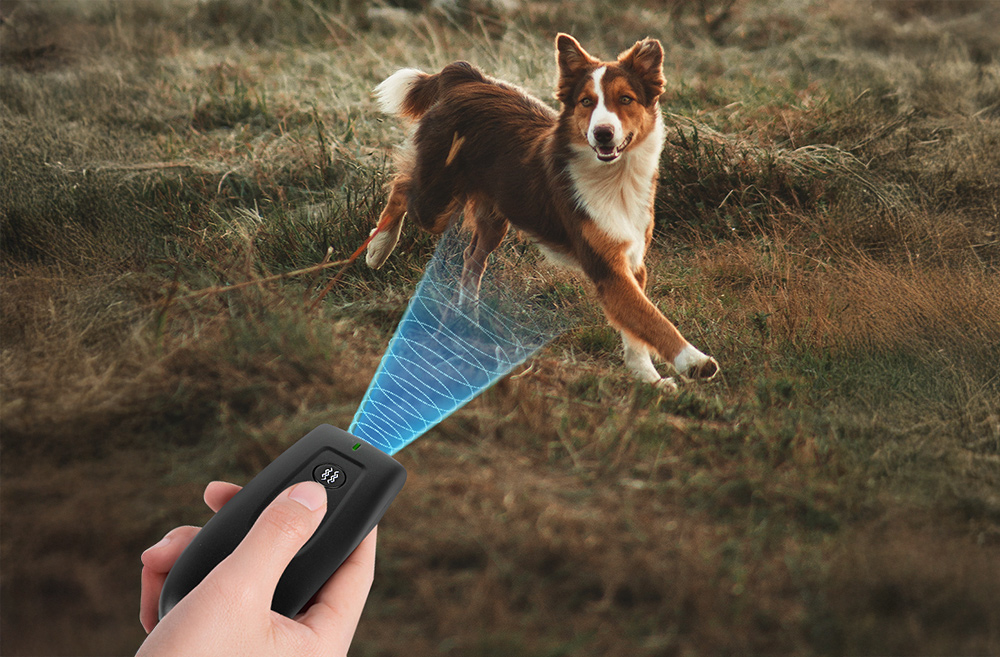
What Dog Training Tools Help with Barking?
Excessive barking is one of the most common behavioral challenges dog owners face. While training consistency is always the foundation, the right dog training tools to stop barking can dramatically speed up progress — and reduce frustration for both you and your neighbors. This guide breaks down the four most effective tool types, explains how to use them, and helps you pick the right fit for your dog.
1. Why Do Dogs Bark Excessively?
Dogs bark to communicate — but when it becomes excessive, it signals an unmet need or behavioral pattern. Common causes include:
- Territorial instinct (reacting to strangers, other animals, or sounds)
- Boredom or under-stimulation due to lack of exercise or mental engagement
- Separation anxiety when left alone
- Attention-seeking behavior reinforced by owner responses
Understanding the root cause helps you choose the most effective dog barking training tool. In most cases, a combination of consistent commands and the right device gets results fastest.
2. The Most Effective Dog Training Tools to Stop Barking
① Bark Control Collars
How they work: Bark collars detect vibrations in the dog's vocal cords and automatically trigger a correction — typically a vibration or beep — the moment barking starts. No remote control needed.
Best for: Dogs that bark continuously when alone, or during predictable triggers like doorbells.
TIZE bark collars feature dual-sensor detection that minimizes false triggers — a common problem with cheaper alternatives that react to ambient noise rather than your dog's actual bark. → Shop Bark Control Collars
② Ultrasonic Bark Deterrents
How they work: These devices emit a high-frequency ultrasonic sound inaudible to humans but immediately noticeable to dogs. When a dog barks, the device fires — interrupting the behavior without any physical contact.
Best for: Indoor or outdoor use without a collar — ideal for multi-dog households, or owners who prefer a hands-free, wear-free solution.
→ Explore Ultrasonic Bark Deterrents
③ Ultrasonic Dog Trainers
How they work: Unlike automatic deterrents, ultrasonic dog trainers are handheld — you press the button at the exact moment you want to correct a behavior or reinforce a command. This gives you precise, owner-controlled timing.
Best for: Active training sessions where you pair the ultrasonic cue with verbal commands like "Quiet" and treat rewards.
TIZE ultrasonic dog trainers give you precise control over correction timing — a critical factor for building reliable associations in your dog's mind. → View Ultrasonic Dog Trainers
④ Remote Dog Training Collars
How they work: A handheld remote lets you trigger a correction (vibration, tone, or adjustable stimulation) from a distance — often up to 300–1000 meters depending on the model.
Best for: Outdoor environments, off-leash areas, or scenarios where you need to correct behavior from a distance in real time.
→ Browse Remote Dog Training Collars
3. How to Use a Vibration Bark Collar to Stop Excessive Barking
Vibration bark collars are among the most popular and humane tools for managing excessive barking. Here's how to use one effectively:
- Fit the collar correctly — place it snugly on your dog's neck, low and centered below the chin. You should be able to slip two fingers underneath.
- Start on the lowest sensitivity setting to avoid false triggers and gauge your dog's response.
- Pair the collar with a verbal cue like "Quiet" each time it activates. Follow silence with calm praise or a treat.
- Limit wear time to no more than 8 hours per day and always remove the collar during rest periods.
- Stay consistent for 2–4 weeks. Most dogs show clear improvement within the first 10–14 days when the collar is used alongside regular command training.
Key reminder: The collar interrupts the behavior — your command and reward complete the training loop. Neither works as well without the other.
4. How to Choose the Right Barking Training Tool
There's no single best tool — the right choice depends on your dog's size, temperament, and the specific barking context. Use this quick reference:
|
Situation |
Barking Type |
Recommended Tool |
|
Home alone, indoors |
Continuous / repetitive |
Ultrasonic Bark Deterrent |
|
Active training sessions |
Triggered / reactive |
Ultrasonic Dog Trainer or Bark Collar |
|
Outdoor walks, off-leash |
Distance / distractions |
Remote Dog Training Collar |
|
Sensitive or anxious dogs |
Stress-related barking |
Vibration-only Bark Collar |
When in doubt, start with the least invasive option (ultrasonic or vibration-only) and escalate only if there's no response after consistent use.
Ready to Stop the Barking?
The right tool makes a real difference — but it only works when paired with consistency, clear commands, and patience. TIZE's full lineup of dog barking training tools is built for real-world results without harsh corrections.
→ Explore TIZE Dog Training Tools: Bark Collars | Ultrasonic Deterrents | Ultrasonic Trainers | Remote Collars
Note: Always consult a professional trainer if your dog's barking is related to severe anxiety or aggression. Training tools work best as part of a broader behavioral plan.
Do Vets Recommend Ultrasonic Bark Stoppers?
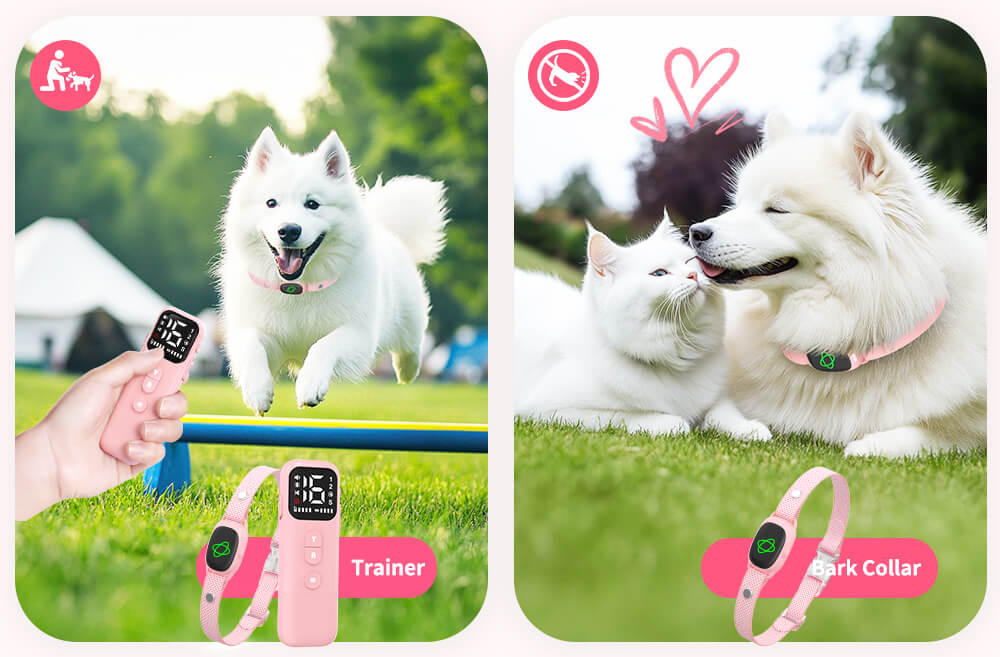
Bark Collar vs Training Collar: What's the Difference?
Related Article