Which Bark Collar Works Best for Large Breed Dogs
Large dogs often have deep, powerful barks that can quickly become overwhelming—not just for owners, but also for neighbors. Whether it’s the doorbell ringing, a stranger approaching the house, or the excitement of an outdoor walk, these triggers can lead to loud and prolonged barking episodes. Unlike small breeds, a large dog's bark carries farther and tends to last longer, increasing the risk of noise complaints and community tension.
To address this, many pet owners are turning to bark collars as a quick, safe, and humane solution. Modern bark collars are designed to reduce excessive barking while protecting your dog’s hearing and emotional well-being. In this guide, we’ll explore how to choose the right bark collar for large dogs—balancing effectiveness with care.
Key Takeaways
- Static electric bark collars with settings work well for big dogs. They help train large dogs in a safe way.
- Pick collars with good sensors and adjustable sensitivity. Make sure the collar fits well so your dog stays happy and safe.
- Choose a collar that matches your dog’s personality. Use vibration for gentle dogs or static for stubborn dogs.
- Put the collar on your dog slowly. Start with the lowest setting and watch how your dog reacts. This helps make training gentle.
- Use bark collars with other training and give positive rewards. Always follow safety rules to keep your dog safe.

Types of Bark Collars for Large Dogs
When you look for the best bark collar for large breed dog, you will see many kinds. Each kind works in its own way. Some dog collars use static correction. Others use vibration or sound. You should learn how each one works before picking a collar for your dog.
Static Shock Collars
Static shock collars give a small electric pulse when your dog barks. You can change how strong the correction is. This lets you match the collar to your dog's size and mood. Many owners think static collars work well for big and stubborn dogs. These collars have sensors that notice barking, so they only turn on when needed.
Tip: Begin with the lowest setting and watch your dog. You want to stop barking, not scare your dog.
TIZE has static shock collars with levels you can change and smart sensors. These features help you train your dog safely and well.

Vibration Collars
Vibration collars use a soft vibration to stop dog’s annoy barking. These collars do not use static correction. Some dogs like vibration, especially if they are gentle or not stubborn. But big dogs with strong personalities may stop noticing the vibration after some time.
You can use vibration collars if you do not want shock. TIZE also has vibration collars with levels you can change, so you can pick what works for your dog.

Ultrasonic Collars
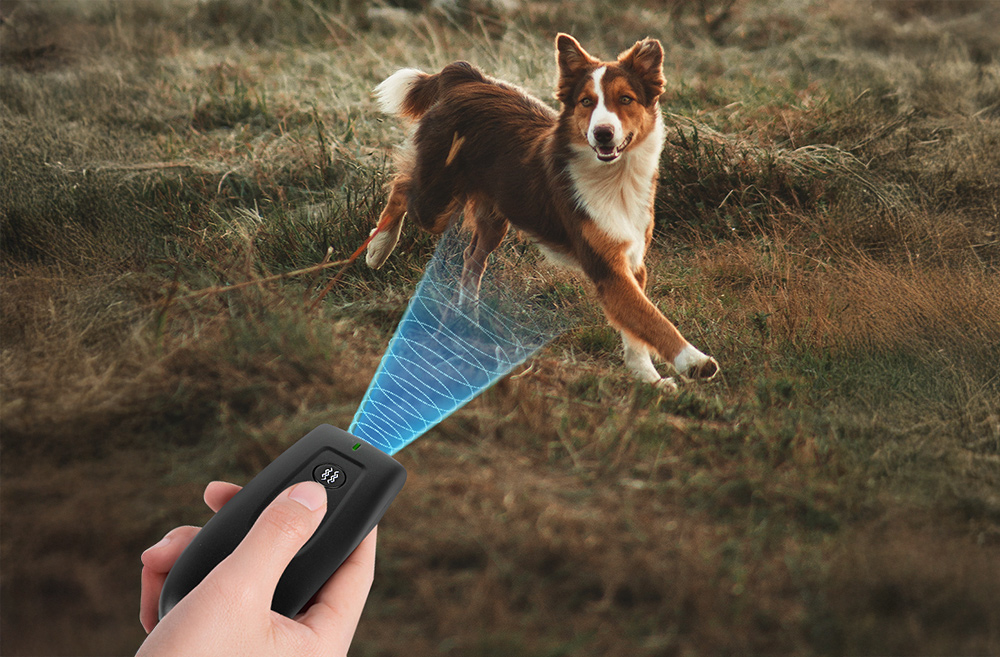
Ultrasonic collars make a high sound when your dog barks. People cannot hear this sound, but dogs can. Many owners like ultrasonic collars because they are safe and do not use touch.
A video by TIZE showed that ultrasonic bark collars helped lower barking in all dogs, even big ones. Owners saw less barking after a few days. The sound distracts your dog and helps stop barking.
Note: Some dogs may get used to the sound. Watch your dog and change your training if you need to.
Vibration + Ultrasonic Collars
Some collars use both vibration and ultrasonic sound. These collars give two types of feedback when your dog barks. This mix can work well for big dogs who do not listen to just one method. You can switch between modes or use both at once.
TIZE has collars with both vibration and ultrasonic features. This gives you more ways to find what works for your dog.
What to Look for in a Bark Collar for Large Dogs
Many people think the best bark collar for large breed dogs should be safe and comfy.When choosing a bark collar for large dogs, it's important to consider factors that match their size, strength, behavior, and sensitivity levels. Below is a detailed guide on what to look for:
1. Adjustable Intensity Levels
Large dogs often have louder barks and higher tolerance levels, so a collar with multiple intensity settings (for sound, vibration, or static shock) is crucial. This ensures:
- You can start with the lowest setting and gradually increase if needed.
- You won’t overstimulate or undercorrect your dog.
2. Durable and Strong Build
Big dogs are more powerful and active, so the collar must be:
- Made from durable materials (like reinforced nylon or TPU).
- Waterproof or weather-resistant for outdoor use.
- Secure in fit to prevent it from slipping off during movement or play.
A strong collar lasts longer and keeps working even if your dog is active. TIZE uses sturdy parts and quality materials in every collar.
3. Sensors’ Bark Detection Accuracy
Look for a collar with smart bark recognition technology, such as:
- Dual detection sensors (sound + throat vibration) to avoid false triggers.
- Anti-false trigger systems, especially in multi-dog households or noisy environments.
Good bark collars use smart sensors. These sensors tell the collar when your dog barks. You do not want the collar to go off when another dog barks or when there is noise nearby. Accurate sensors help stop false triggers. TIZE uses advanced technology to make sure the collar only reacts to your dog's bark.
4. Training Modes Variety
The best bark collars offer multiple modes like:
- Sound
- Vibration
- Static shock (with safety limits)
Look for a collar that lets you customize based on your dog’s behavior and training needs.
5. Safety Features
Choose a collar with:
- Automatic shut-off to prevent overstimulation.
- Progressive correction that escalates gradually.
- Low battery warnings or rechargeable functionality.
6. Battery Life
For large dogs, especially active ones, long battery life is a must. Prefer:
- Rechargeable lithium batteries that last several days or weeks per charge.
- Quick charging options.
7. Brand Reputation & Reviews
Choose from trusted brands with:
- Proven safety records.
- Good customer support.
- Positive reviews from other large dog owners.

Choosing the Right Bark Collar for Large Dogs
Assessing Temperament
Every dog has a unique personality. Some large dogs bark because they feel bored or excited. Others bark when they feel scared or want attention. You should watch your dog and learn what causes the barking. If your dog is sensitive, a gentle collar like a vibration or ultrasonic model may work best. If your dog is stubborn or strong-willed, a static collar often gives better results. Always start with the lowest correction setting. Watch how your dog reacts. Raise the level only if needed.
Tip: Keep a log of your dog's barking triggers. This helps you choose the right collar and training plan.
Sizing and Fit
A good fit keeps your dog safe and comfortable. Measure your dog's neck before you buy a collar. Most large breed collars fit neck sizes from 15 to 28 inches. The collar should sit snug but not tight. You should fit two fingers between the collar and your dog's neck. Check the collar often to make sure it does not rub or cause skin problems. TIZE offers collars with adjustable straps and soft materials for large breeds.
Brand and Model Selection
Choose a collar from a trusted brand. Look for companies with experience in pet training products. TIZE has made bark collars for over 14 years and serves customers in more than 100 countries. Their collars have features like adjustable sensitivity, accurate sensors, and strong materials. When you pick the Best Bark Collar for Large Breed Dog, you want support and quality. Read reviews and ask your vet or trainer for advice if you feel unsure.
Note: A good brand gives you clear instructions and customer support. This makes training easier and safer for your dog.
Tips for Using Anti-bark Collars for Large dogs
Proper Introduction
You want your dog to feel comfortable with a new bark collar. Start with an acclimation phase. Let your dog sniff and explore the collar while it is turned off. For the first few days, put the collar on your dog for short periods without activating it. Give treats and play with your dog during this time. This helps your dog see the collar as something positive.
After a few days, begin training with the collar on the lowest setting. Use clear commands and reward your dog for quiet behavior. Allow your dog to bark two or three times before the collar gives a correction. This method teaches your dog what you expect without causing stress.
Tip: Always check the collar’s fit. It should sit high on your dog’s neck and feel snug but not tight.
Monitoring and Adjustment
Watch your dog closely when using a bark collar. Look for signs of stress, anxiety, or skin irritation. If you see any problems, stop using the collar and talk to your vet or a professional trainer. Limit collar wear to 12 hours a day. Remove the collar at night and change its position daily to prevent skin issues.
- Follow the manufacturer’s instructions for safe use.
- Use collars with safety features like tize to prevent over-correction.
- Choose collars with waterproof designs and long battery life for active large dogs.
If your dog does not improve after two weeks, seek advice from a professional. Gradually reduce collar use as your dog learns to stay quiet.
Humane Training Practices
Bark collars work best as part of a complete training plan. Combine collar use with positive reinforcement. Reward your dog for quiet moments and provide toys, exercise, and mental challenges. This approach addresses the reasons behind barking.
Note: Bark collars should not replace proper training. Use them as a tool to support your dog’s learning and well-being.
You help your dog succeed when you use the collar responsibly and with care. Always aim for gentle, humane training that builds trust and good habits.
FAQ
How do you know if a bark collar fits your large dog?
Check the collar by placing two fingers between it and your dog’s neck. The collar should feel snug but not tight. Adjust the strap as needed. Watch for any signs of rubbing or discomfort.
Can you leave a bark collar on your dog all day?
You should not leave the collar on for more than 12 hours. Remove it at night. Change its position daily to prevent skin problems. Always follow the manufacturer’s instructions for safe use.
Will a bark collar hurt your large dog?
Modern bark collars use safe correction levels. Start with the lowest setting. Watch your dog’s reaction. The goal is to stop barking, not cause pain. If you see stress or irritation, stop using the collar and ask your vet for advice.
What age can your dog start using a bark collar?
Most experts recommend waiting until your dog is at least six months old. Young puppies learn best with positive training. Always talk to your vet before starting any new training tool.
How do you clean a bark collar?
Remove the collar from your dog. Wipe it with a damp cloth. Avoid soaking the device or using harsh cleaners. Dry it completely before putting it back on your dog.
Conclusion
Static electric bark collars usually work best for big dogs. You should pick collars with settings you can change. The collar should have good sensors and fit your dog well. This helps keep your dog safe and happy. TIZE is a brand people trust. TIZE has made bark collars and pet training tools for big dogs for many years.
Recommended Reading
Best Bark Collars for Small Dogs in 2025
How to Buy Best Ultrasonic Dog Repellers
Related Article