Ultrasonic Bark Control FAQ: Everything You Need to Know
Excessive dog barking is one of the most common frustrations among pet owners and neighbors. Whether it's triggered by excitement, passers-by, boredom, or separation anxiety, many pet parents look for humane solutions to manage unwanted barking. Among the many tools available, ultrasonic bark control devices have become increasingly popular because they are simple, non-contact, and pain-free.
This FAQ guide brings together the most frequently asked questions about ultrasonic bark control. Whether you're a dog owner, a new pet parent, or even a wholesaler evaluating this product category, this article will help you understand how these devices work, their effectiveness, and how to use them safely.
1. What Is Ultrasonic Bark Control?
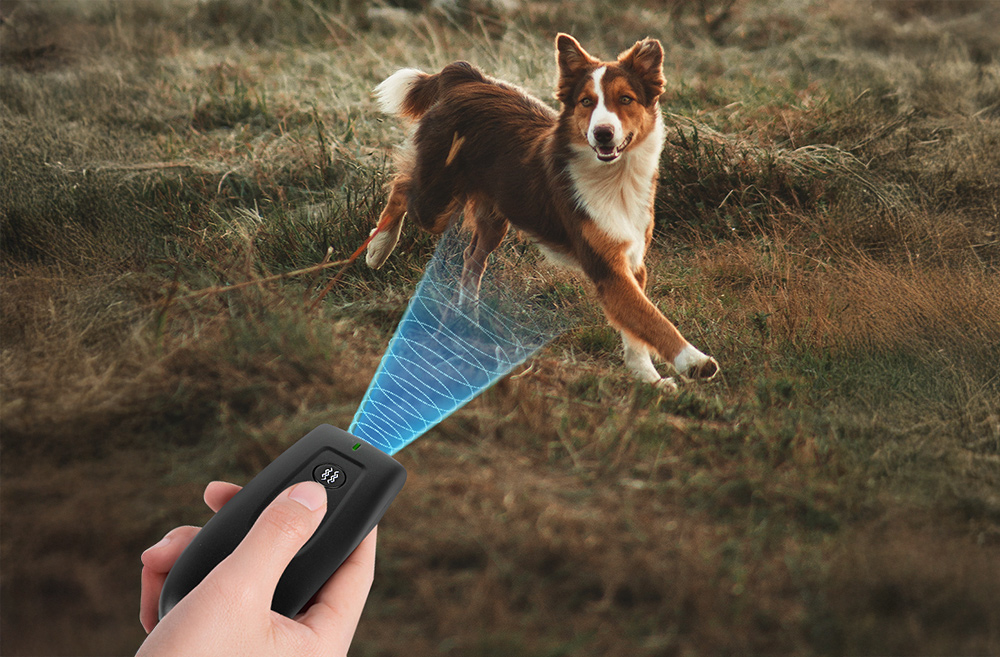
Ultrasonic bark control refers to devices that emit a high-frequency sound when a dog barks or when the user manually activates the device. These sounds typically fall within the 20–30 kHz range, which is audible to dogs but usually inaudible to humans.
Because dogs have more sensitive hearing, the sound is perceived as something attention-grabbing or mildly unpleasant—enough to interrupt excessive barking without causing pain or harm.
Common types of ultrasonic bark control devices include
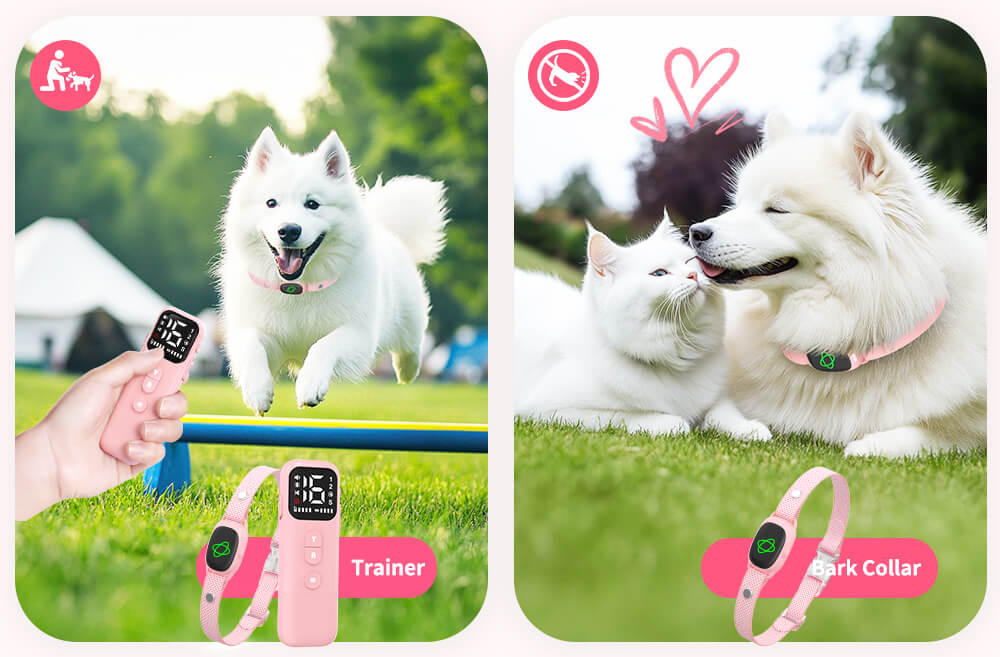
- Automatic bark control collars – detect barking and trigger ultrasound
- Indoor ultrasonic bark control units – placed inside the home
- Outdoor bark control units – used in yards or near fences
- Handheld ultrasonic dog trainers – for training sessions or walks
For both pet owners and retail partners, the appeal of ultrasonic technology lies in its simplicity: no static shock, no vibration, and no physical contact required.
2. How Do Ultrasonic Bark Control Devices Work?
The working principle is straightforward:
- Sound detection or manual trigger
Automatic devices use a built-in microphone to detect barking. Handheld models require manual activation. - Ultrasonic sound emission
Once activated, the device emits high-frequency sound waves aimed toward the dog. - Behavior interruption
The dog hears the sound, becomes momentarily distracted, and stops barking. - Training reinforcement
Pairing the sound with commands (“Quiet,” “Sit”) helps dogs understand the expected behavior more quickly.
These devices work based on behavior modification, not punishment. They simply interrupt unwanted barking patterns so pet parents can redirect the dog to more desirable actions.
3. Do Ultrasonic Bark Control Devices Really Work?
Yes—in the right circumstances, they work effectively. Ultrasonic bark control is best suited for:
- Mild to moderate barking
- Excitement barking
- Territorial barking triggered by passers-by
- Attention-seeking barking
- Single-dog households with few environmental distractions
- Dogs that respond well typically show signs such as pausing, turning their head, or looking around when the device activates.
However, effectiveness varies depending on the dog’s sensitivity, age, and environment. Some dogs—with hearing loss, high tolerance, or strong aggression—may respond less. Like any training aid, consistency and proper use matter more than the device alone.
4. How Effective Are Ultrasonic Bark Control Devices?
Effectiveness depends on several factors:
4.1 Dog’s hearing sensitivity
Puppies and young adult dogs often respond well. Senior dogs or certain breeds with weaker hearing may not.
4.2 Distance and direction
Ultrasonic waves work best within 5–10 meters and require direct line of sight for optimal results.
4.3 Environmental noise
Wind, traffic noise, or echoes can reduce sensitivity in outdoor settings.
4.4 Training consistency
Dogs learn faster when ultrasound is paired with voice cues and rewards.
When used correctly, many owners report noticeable improvement within a few days to a few weeks.
5. Are Ultrasonic Bark Control Devices Safe for Dogs?
Ultrasonic devices are considered safe when used properly. The sound they emit is not harmful to a dog’s ears or hearing. It is designed to be a gentle deterrent rather than a source of pain.
However, dogs with pre-existing hearing issues or extreme sensitivity may react differently, so monitoring their behavior during the initial sessions is essential. Devices that follow manufacturer guidelines pose minimal risk.
6. Do Ultrasonic Bark Control Devices Hurt Dogs?
No. They should not cause pain or harm.
The sound emitted is similar to an annoying noise—like a loud beep to humans—but not intensely distressing. Dogs may pause or look alert, but they should not show signs of fear, trembling, or panic. If such reactions appear, reduce usage or select a device with adjustable frequency levels.
High-quality manufacturers tune frequencies to stay within a harmless but attention-catching range. Cheap or poorly calibrated devices may produce ineffective or inconsistent sound output, so choosing reputable suppliers is essential.
7. Does Ultrasonic Bark Control Affect Cats or Other Pets?
Cats can hear ultrasonic frequencies as well, but they tend to be less reactive than dogs. Most cats will simply ignore it or briefly look toward the noise source.
Other pets such as rabbits, hamsters, or small rodents may be more sensitive. For multi-pet households:
- Avoid continuous activation
- Choose targeted, directional devices
- Use handheld tools instead of automatic units, if possible
A well-calibrated ultrasonic device should not disturb household pets when used responsibly.
8. How to Use Ultrasonic Bark Control Safely and Effectively
Using ultrasonic bark control devices correctly is key to ensuring your dog responds positively while keeping the device safe for all pets. Whether you are using an indoor or outdoor unit, following proper placement, distance, and usage guidelines will maximize effectiveness and reduce potential stress for your dog. Here’s a detailed guide for each type of device:
Indoor Ultrasonic Devices
- Position at chest height: Ensure the device emits sound at your dog’s level for best effect.
- Avoid corners or behind furniture: Open spaces allow sound to travel unobstructed.
- Follow recommended distance: Keep your dog within the device’s effective range.
- Start with short sessions: Begin with 5–10 minutes, gradually increasing as your dog adapts.
- Observe your dog: Adjust placement or duration if your pet seems anxious.
Outdoor Ultrasonic Devices
- Aim at target area: Direct the device where barking occurs, like toward neighbors' barking dogs.
- Protect from weather: Use weather-resistant units or sheltered locations.
- Check coverage: Ensure the ultrasonic range reaches all active areas.
- Introduce gradually: Start during typical barking times so your dog associates the sound with the behavior.
9. Is an Ultrasonic Bark Control Device Legal?
Yes, ultrasonic bark control devices are legal in most countries. They are considered humane pet training tools, unlike shock collars or other aversive devices that may be restricted in certain regions.
In most regions—including the United States, Canada, Europe, and Australia—ultrasonic dog bark control devices are legal to buy and use.
However, a few considerations apply:
- Some local regulations prohibit outdoor devices that may disturb neighbors
- Importers and wholesalers must ensure devices meet local certification standards (e.g., FCC in the US, CE in Europe)
- Using devices abusively or excessively may violate animal welfare guidelines
For normal residential or training use, the technology is completely legal.
10. Who Should Consider Using Ultrasonic Bark Control?
These devices are suitable for:
- Dog owners dealing with stubborn barking
- Households in apartments or shared walls
- New pet parents seeking humane alternatives
- Trainers who need an additional distraction tool
- People who want non-shock, non-vibration options
From a wholesale or OEM perspective, ultrasonic bark control products are attractive because they are:
- High-demand in Western markets
- Low maintenance and low return rate
- Easy to redesign for private-label brands
- Suitable for both offline retail and e-commerce
This makes them one of the most popular categories in the pet training device market.
Conclusion
Ultrasonic bark control devices offer a humane, simple, and non-contact way to manage excessive barking. While not every dog reacts the same way, most dogs respond well when the device is used correctly and paired with consistent training.
For homeowners, trainers, and even retailers evaluating product lines, ultrasonic bark control remains a reliable and accessible option. Its safety, ease of use, and broad market acceptance make it a strong choice for both personal use and commercial distribution.
What are GPS Dog Trackers used for? Does Your Pet Need One?
Bark Collar FAQs: Everything Dog Owners Need to Know
Related Article