
Wireless Dog Fence or In-Ground Dog Fence: Which is Best for My Dog?
author: Matthew TIZE
2025-02-26
As a pet parent, ensuring your dog’s safety while giving them the freedom to explore is a top priority.
Traditional fences can be expensive, unsightly, or impractical, which is why many owners turn to modern solutions like wireless electric fence dog systems or in-ground electric dog fence installations.
But how do these two options differ, and which one is right for your furry friend? Let’s break down their features, pros, cons, and how to choose the best fit.
---
Understanding Wireless and In-Ground Electric Fences
Both systems use static correction (via a receiver collar) to train dogs to stay within a designated boundary. However, their setup, flexibility, and reliability vary significantly.
1. Wireless Electric Fence Dog Systems
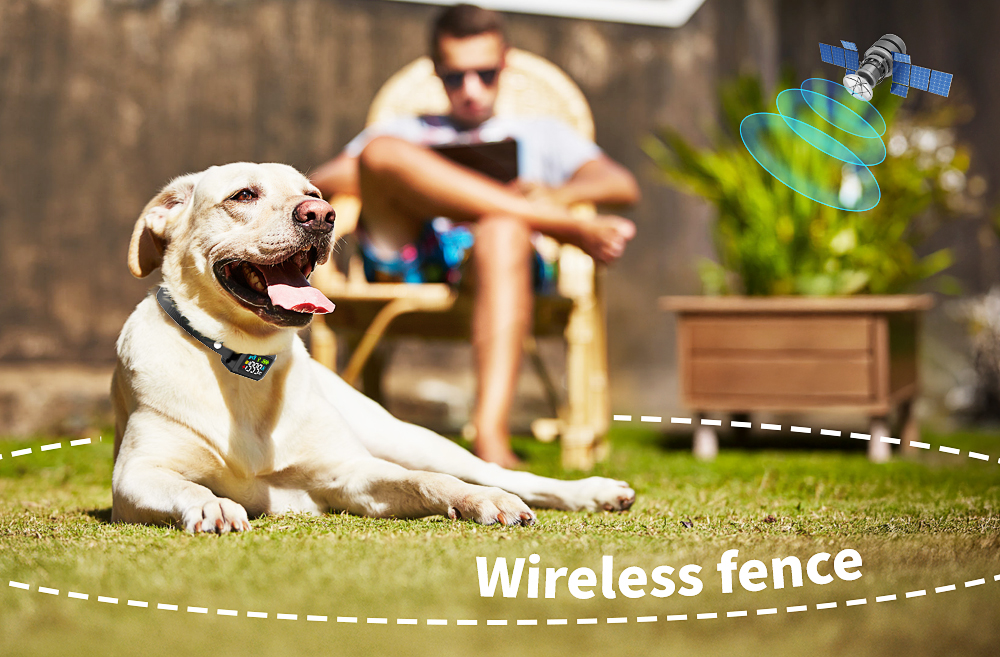
A wireless electric fence relies on a central transmitter that emits a circular signal to create an invisible boundary. The dog’s collar receives the signal and delivers a warning beep or mild correction if they approach the edge.
- Pros:
- Easy installation: No digging or wiring—just plug in the transmitter.
- Portability: Perfect for renters or travelers; adjust the boundary size (usually up to 1/2 acre).
- Cost-effective: Typically cheaper than in-ground systems.
- Cons:
- Signal interference: Hills, metal structures, or thick walls can disrupt the signal.
- Fixed shape: Boundaries are circular, limiting customization.
- Battery dependency: Transmitters and collars require regular charging.

2. In-Ground Electric Dog Fence Installation
This system involves burying a wire around your property’s perimeter. The wire connects to a transmitter, and the collar activates when the dog nears the buried line.
- Pros:
- Customizable boundaries: Create any shape (e.g., around gardens or pools).
- Reliable signal: Less prone to interference, ideal for uneven terrain.
- Permanent solution: Ideal for large yards (up to 25 acres).
- Cons:
- Complex installation: Requires digging trenches and burying wires (in ground electric dog fence installation can be labor-intensive).
- Higher upfront cost: Includes equipment and professional installation fees.
- Landscape disruption: May affect existing gardens or hardscapes.

Key Factors to Consider When Choosing
1. Property Size and Layout
- Wireless systems work best for small, open yards (under 1 acre) with minimal obstacles. If your yard is large, sloped, or irregularly shaped, an in ground electric dog fence installation offers better accuracy.
2. Portability Needs
- Moving soon? A wireless fence can be packed and reinstalled in minutes. For permanent homes, an in-ground system provides long-term reliability.
3. Dog’s Size and Temperament
- Both systems suit most breeds, but stubborn dogs (e.g., Huskies or Terriers) may test boundaries. In-ground fences allow tighter control, which can be critical for determined escape artists.
4. Budget
- Wireless systems cost $200-$500, while in-ground setups range from $300-$1,500+ (including professional electric dog fence installation). Factor in long-term maintenance, like replacing collar batteries or damaged wires.
5. Aesthetics
- Prefer no visible wires? Wireless fences keep your yard looking pristine. Buried wires are invisible but require upfront landscaping work.
---
Installation Comparison: Wireless vs. In-Ground
Wireless Electric Fence Setup
1. Place the transmitter indoors, away from metal objects.
2. Adjust the boundary radius using the transmitter’s controls.
3. Test the collar’s signal range and train your dog to recognize the warning beep.
In-Ground Electric Fence Installation
1. Plan the boundary layout, marking where the wire will loop.
2. Dig a 1-3 inch trench around the perimeter (or hire a professional for in ground electric dog fence installation).
3. Bury the wire and connect it to the transmitter.
4. Test the system and train your dog with flags as visual cues.
Pro Tip: Professional electric dog fence installation ensures optimal wire placement and minimizes signal issues.
Training Tips for Success
No system works without proper training:
- Use flags to mark boundaries during the initial weeks.
- Start with the collar in “warning only” mode (sound/vibration).
- Reward your dog for staying within the zone.
- Gradually introduce static correction at the lowest effective level.
---
Which Should You Choose?
Go wireless if:
- You need a temporary or portable solution.
- Your yard is small and relatively flat.
- You want minimal setup effort.
Choose in-ground if:
- You have a large, complex, or multi-acre property.
- You want a permanent, customizable boundary.
- Your dog is persistent or has a high prey drive.
---
Final Thoughts
Both wireless electric fence dog systems and in ground electric dog fence installations offer safe, effective containment when used responsibly. Wireless fences shine in convenience and affordability, while in-ground systems excel in reliability and customization.
Consider your lifestyle, property, and dog’s personality—and don’t skip the training! With the right choice, you’ll give your pup the joy of outdoor freedom without compromising their safety.
How Do Electric Dog Fences Work? A Complete Guide for Pet Owners
How Do You Install an In-Ground Dog Fence? A Step-by-Step Guide for Pet Owners
Related Article
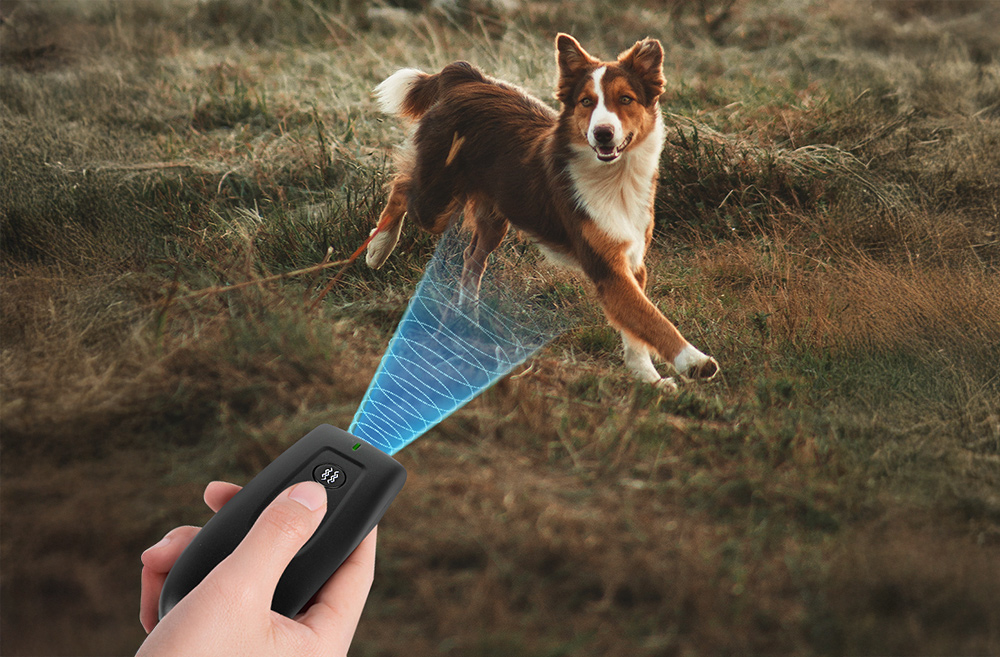
Generally, most veterinary behaviorists do not recommend ultrasonic bark devices for daily, long-term pet training due to anxiety risks and its nature as an aversive method. However, vets agree their recommendation depends heavily on the context.
Do Vets Recommend Ultrasonic Bark Stoppers?

This guide breaks down the four most effective dog barking training tool types, explains how to use them, and helps you pick the right fit for your dog.
What Dog Training Tools Help with Barking?


SEND MESSAGE
