
Why Do Dogs Bark at Night? Understanding and Managing Nocturnal Behavior
author: Matthew TIZE
2025-02-25
Dogs are loyal companions, but their nighttime barking can test even the most patient pet owner. Whether you’re a new dog parent or a seasoned pro, the question "why do dogs bark at night?" has likely crossed your mind. Understanding the root causes of this behavior is the first step toward restoring peace—for both you and your furry friend. In this article, we’ll explore common reasons behind dogs barking at night, share actionable strategies for how to control dog barking at night, and introduce a practical tool to help: the anti-bark collar.
---
Why Do Dogs Bark at Night? Decoding the Causes
Dogs communicate through barking, and nighttime vocalizations often stem from instinct, discomfort, or unmet needs. Here are the most common triggers:
1. Heightened Alertness
Dogs have keen senses and are naturally protective. Noises like rustling leaves, passing cars, or wildlife can trigger their "guard mode," leading to persistent barking. Breeds like German Shepherds or Terriers, bred for vigilance, are especially prone to this behavior.
2. Separation Anxiety
Dogs are social animals. If left alone at night, especially in a new environment, they may bark to express stress or loneliness. Puppies and rescue dogs often struggle with this issue.
3. Boredom or Excess Energy
A dog that hasn’t burned off energy during the day may resort to barking for stimulation. Without proper exercise or mental engagement, nighttime becomes playtime—for them, at least.
4. Medical Issues
Pain, cognitive decline in senior dogs, or conditions like hearing loss can cause confusion or distress, leading to nighttime vocalizations. Always rule out health problems with a vet first.
5. Environmental Triggers
Changes in routine, unfamiliar sounds (e.g., thunderstorms), or even the presence of nocturnal animals like raccoons can set off a barking spree.

How to Control Dog Barking at Night: Practical Solutions
Addressing nighttime barking requires patience and consistency. Here are proven methods to curb the behavior:
1. Establish a Calming Routine
Dogs thrive on routine. A pre-bedtime ritual—like a walk, play session, or puzzle toy—can help them wind down. Avoid stimulating activities (like rough play) right before bed.
2. Optimize Their Sleep Environment
Create a cozy, secure space for your dog. Use blackout curtains to minimize light, a white noise machine to mask outdoor sounds, and ensure their bed is comfortable. Crate training can also provide a sense of safety.
3. Address Separation Anxiety
Gradually acclimate your dog to being alone. Start with short absences during the day and reward calm behavior. Tools like calming pheromone diffusers or anxiety wraps may help.
4. Train the "Quiet" Command
Teach your dog to stop barking on cue. When they bark, say "quiet" in a calm tone and reward them when they pause. Consistency is key—this method works best when combined with positive reinforcement.
5. Introduce an Anti-Bark Collar
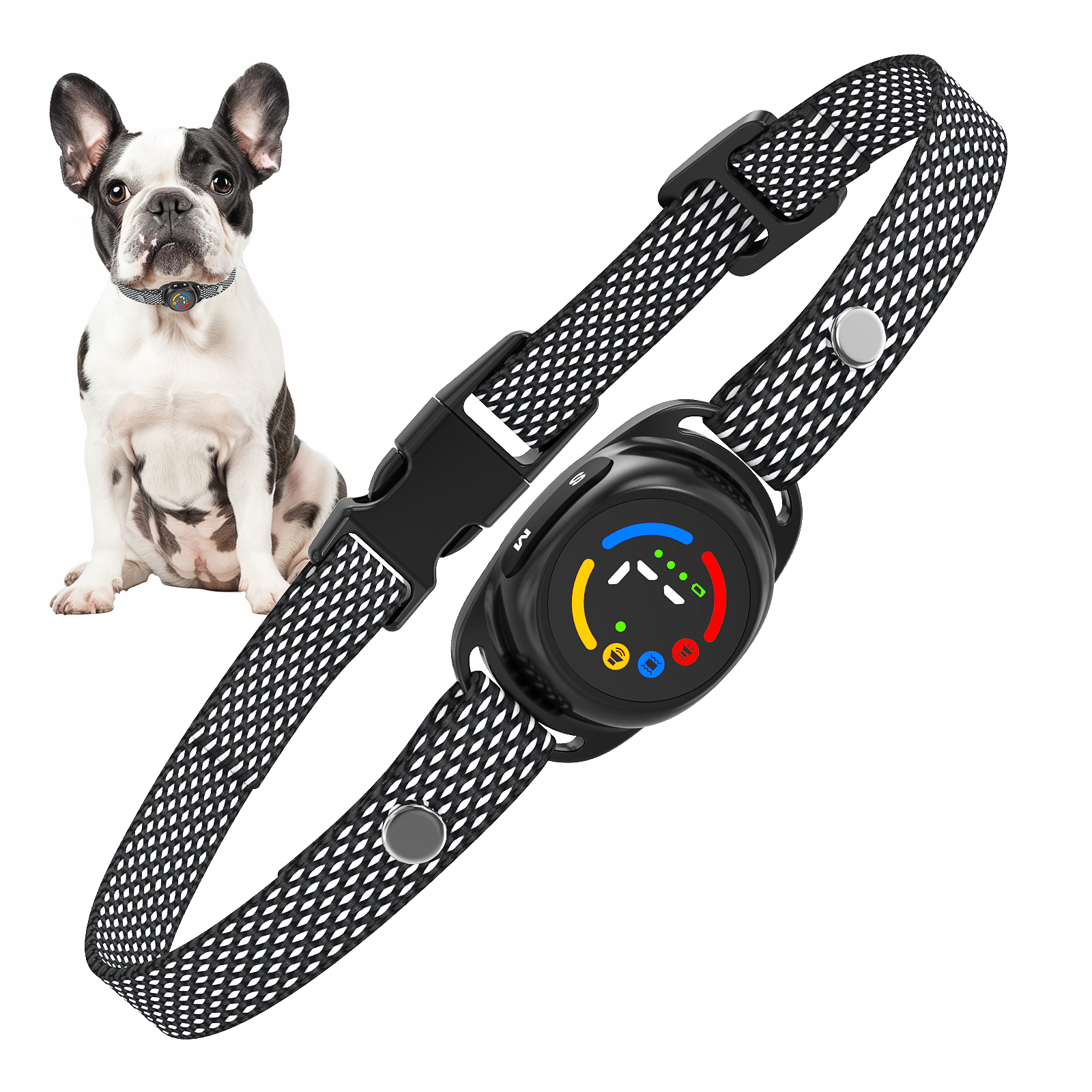
For persistent cases, an anti-bark collar offers a humane and effective solution. Modern collars use technology like vibrations, ultrasonic sounds, or mild static pulses to interrupt barking without harming your pet. They’re particularly useful for dogs that bark when left unsupervised.
The Anti-Bark Collar: A Balanced Approach
While training and environmental adjustments are ideal, some dogs need extra support. This is where the anti-bark collar shines. Here’s what you should know:
How It Works
Anti-bark collars detect vibrations in your dog’s throat when they bark and respond with a corrective stimulus. Options include:
- Sound/Vibration Collars: Emit a harmless beep or vibration to distract the dog.
- Spray Collars: Release a burst of citronella, which dogs find unpleasant.
- Static Pulse Collars: Deliver a mild, adjustable static sensation (similar to a static shock from carpet).
Most collars have safety features like automatic shut-offs to prevent overstimulation.

When to Use It
Anti-bark collars are best for:
- Dogs that bark excessively despite training.
- Nighttime barking triggered by separation or environmental factors.
- Situations where immediate noise control is needed (e.g., apartment living).
Important: Always pair the collar with positive reinforcement training. The goal is to teach your dog quiet behavior, not just suppress barking.
Choosing the Right Collar
Consult your vet or a trainer to select a collar suited to your dog’s size, temperament, and needs. Avoid cheap, unregulated products—opt for reputable brands with adjustable settings.
---
Final Thoughts
Dogs barking at night can strain your sleep and your bond with your pet. By understanding why do dogs bark at night and implementing a mix of training, environmental tweaks, and tools like the anti-bark collar, you can address the issue compassionately. Remember, every dog is unique—what works for one may not work for another. Stay patient, stay consistent, and soon enough, both you and your pup will enjoy quieter, more restful nights.
How Do You Install a Wireless Dog Fence? A Step-by-Step Guide for Pet Owners
How Do Underground Fences Work? A Comprehensive Guide for Pet Owners
Related Article
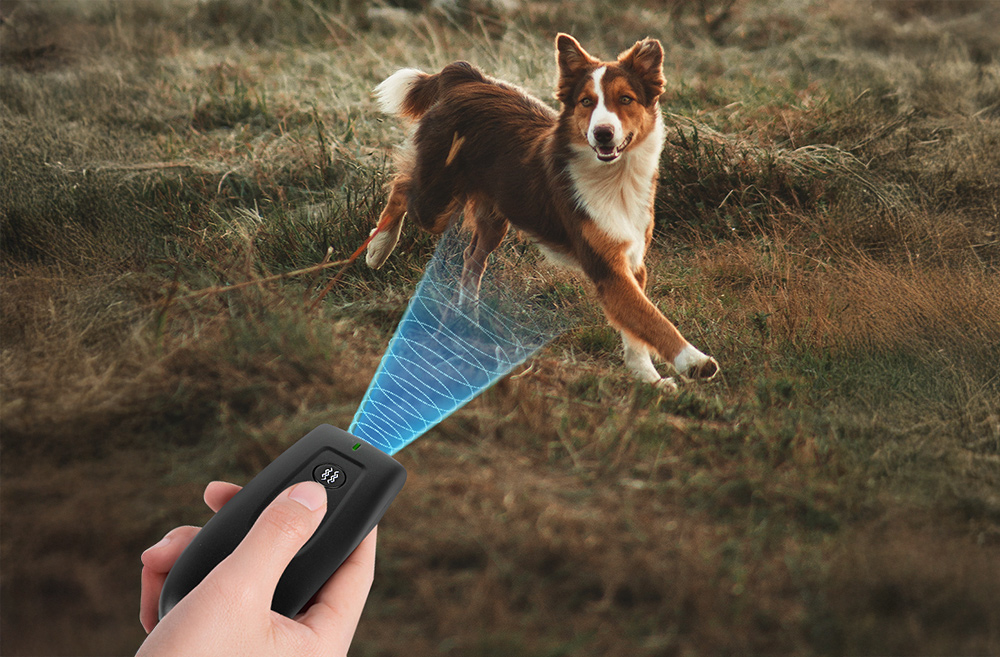
Generally, most veterinary behaviorists do not recommend ultrasonic bark devices for daily, long-term pet training due to anxiety risks and its nature as an aversive method. However, vets agree their recommendation depends heavily on the context.
Do Vets Recommend Ultrasonic Bark Stoppers?
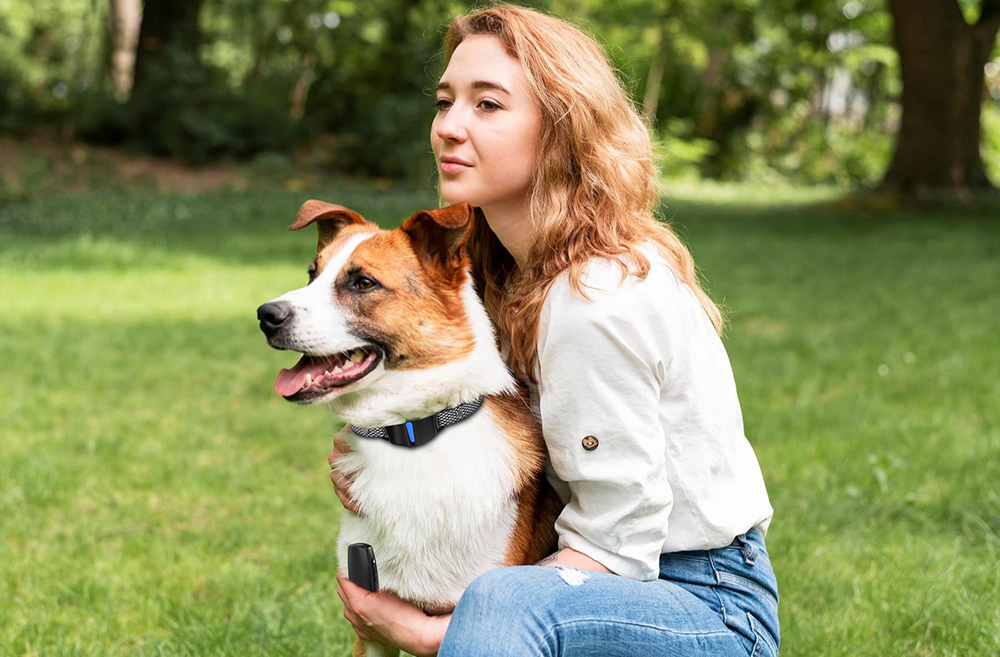
This guide breaks down the four most effective dog barking training tool types, explains how to use them, and helps you pick the right fit for your dog.
What Dog Training Tools Help with Barking?


SEND MESSAGE
