
What is The Best Wireless Dog Fence? A Comprehensive Guide for Pet Owners
author: Matthew TIZE
2025-02-21
For pet owners, ensuring the safety and freedom of their furry companions is a top priority. Traditional fences can be restrictive, costly, and impractical for certain landscapes.
This is where wireless dog fence systems come into play—a modern solution that combines convenience, flexibility, and technology to keep dogs safe. But with so many options available, how do you choose the best one?
Let’s dive into the world of wireless boundary fence for dogs, exploring their functions, benefits, and what makes a custom boundary wireless dog fence stand out.
---
Understanding Wireless Dog Fence Systems
A wireless dog fence system is an electronic containment solution designed to create an invisible boundary for your pet. Unlike physical fences, these systems use radio signals or GPS technology to establish a safe zone.
When your dog approaches the edge of this zone, a wearable collar emits a warning sound, vibration, or mild static correction to deter them from crossing the boundary.
These systems are ideal for homeowners who want to:
- Avoid the visual obstruction of traditional fences.
- Maintain large, open yards without physical barriers.
- Travel with their pets (many systems are portable).


How Does a Wireless Boundary Fence for Dogs Work?
The core components of most wireless boundary fence for dogs include:
1. A Transmitter: This device creates a circular signal field around your home. The radius is adjustable, typically ranging from 30 to 300 feet.
2. A Receiver Collar: Worn by your dog, it detects the transmitter’s signal. If your pet ventures too close to the boundary, the collar activates a warning.
3. Training Flags: Temporary visual markers to help dogs learn the boundaries during the initial training phase.
Key Features to Look For:
- Adjustable Range: A custom boundary wireless dog fence allows you to set the containment area to suit your yard size.
- Multiple Correction Modes: Choose between sound, vibration, or static stimulation to match your dog’s temperament.
- Waterproof Collars: Essential for dogs that love swimming or playing in the rain.
- Battery Life: Opt for long-lasting rechargeable batteries for convenience.
---
Why Choose a Wireless System Over Traditional Fencing?
1. Portability: Unlike fixed fences, wireless dog fence systems can be packed and used anywhere—perfect for vacations or moving homes.
2. Aesthetic Flexibility: No need to disrupt your garden’s design with unsightly posts or chains.
3. Cost-Effective: Installing a physical fence can cost thousands, while wireless systems are often priced between $150 and $500.
4. Customizable Boundaries: A custom boundary wireless dog fence lets you exclude areas like gardens or pools, ensuring your dog’s safety without limiting your landscaping creativity.

Training Your Dog to Use a Wireless Fence
Even the best wireless boundary fence for dogs requires proper training. Here’s a quick guide:
1. Introduce the Collar: Let your dog wear the collar without activation to get used to it.
2. Set Up Flags: Place training flags along the boundary to create a visual guide.
3. Walk the Perimeter: Use a leash to guide your dog near the boundary. When the collar beeps, gently redirect them inward.
4. Gradual Freedom: After a week of supervised training, allow your dog to explore the zone independently.
Consistency and positive reinforcement are key. Most dogs adapt within 10–14 days.
---
Top Considerations When Choosing a Wireless Dog Fence
Not all wireless dog fence systems are created equal. Here’s what to prioritize:
- Dog Size and Temperament: Larger or stubborn breeds may need stronger correction modes.
- Yard Shape and Terrain: Wireless systems work best in open, circular areas. Sloped or heavily wooded yards might require additional transmitters.
- Expandability: Some systems let you add extra collars for multiple pets.
- Customer Support: Look for brands offering warranties and training resources.
The Best Wireless Dog Fence Systems in 2024
1. PetSafe Stay & Play: A portable, no-dig system with a ¾-acre range. Ideal for travel.
2. SportDOG Brand In-Ground Fence: Offers both wireless and wired modes for maximum flexibility.
3. Extreme Dog Fence Second Generation: Boasts a 10-mile range for rural properties.
For those seeking a custom boundary wireless dog fence, the Halo 3 Collar (backed by Cesar Millan) uses GPS technology to create tailored boundaries via a smartphone app—perfect for tech-savvy owners.

Limitations to Keep in Mind
While wireless boundary fence for dogs offers many benefits, they’re not foolproof:
- Signal interference from metal structures or dense walls can disrupt performance.
- Dogs with high pain tolerance (e.g., Huskies) might ignore static corrections.
- They don’t prevent other animals from entering your yard.
Final Thoughts
A wireless dog fence system is an innovative tool for responsible pet ownership.
Whether you prioritize portability, customization, or ease of use, there’s a wireless boundary fence for dogs to match your needs. By investing in a custom boundary wireless dog fence, you’re not just buying a product—you’re giving your dog the freedom to explore safely while enjoying peace of mind.
Before purchasing, read reviews, consult your vet, and ensure the system aligns with your dog’s personality and your lifestyle. After all, a happy dog means a happy home!
How to Use a Remote Dog Training Collar: A Comprehensive Guide
How Do Ultrasonic Dog Repellers and Deterrents Work? A Comprehensive Guide
Related Article
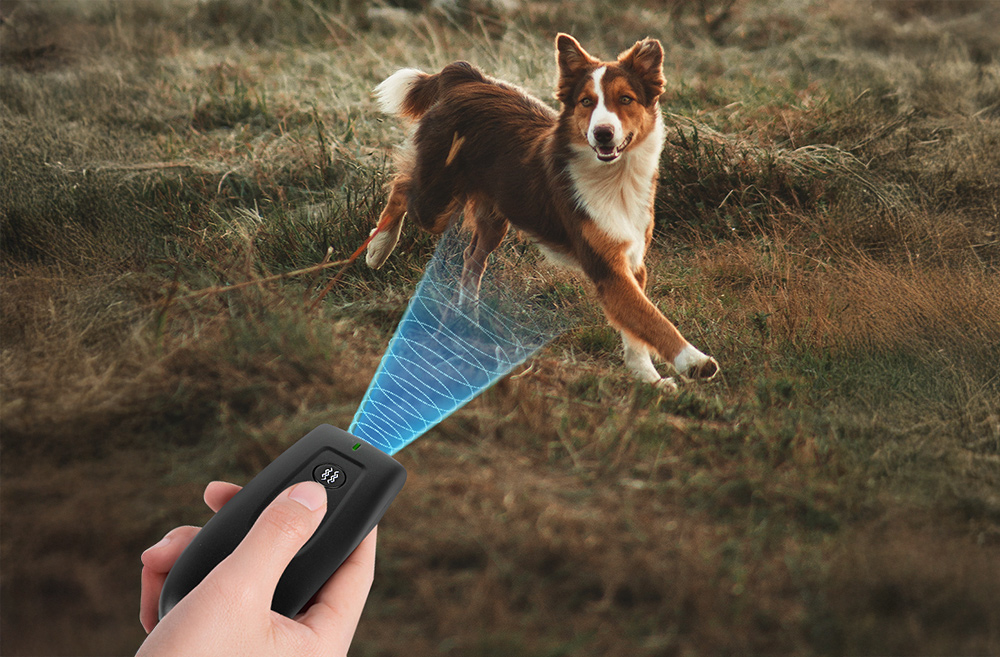
Generally, most veterinary behaviorists do not recommend ultrasonic bark devices for daily, long-term pet training due to anxiety risks and its nature as an aversive method. However, vets agree their recommendation depends heavily on the context.
Do Vets Recommend Ultrasonic Bark Stoppers?
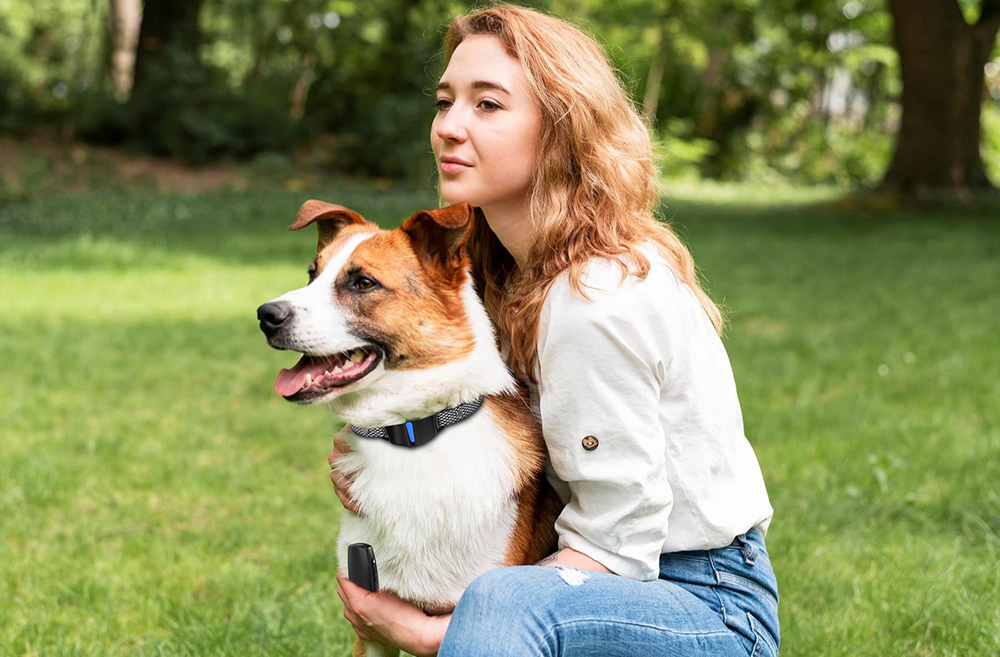
This guide breaks down the four most effective dog barking training tool types, explains how to use them, and helps you pick the right fit for your dog.
What Dog Training Tools Help with Barking?


SEND MESSAGE
