
What Is A Bark Collar? A Comprehensive Guide for Pet Owners
author: Matthew TIZE
2025-02-13
Excessive barking can be a challenge for both dogs and their owners. While vocalization is a natural form of communication for dogs, persistent barking may disrupt households, annoy neighbors, or even indicate underlying stress in pets. To address this issue, many pet owners turn to bark collars—a tool designed to help manage unwanted barking. This article explores the definition, types, and working mechanisms of bark collars, while highlighting humane options like the anti dog bark collar no shock and no shock anti bark collar, as well as traditional solutions like the bark shock collar for dogs.
Understanding Bark Collars: Definition and Purpose
A bark collar is a wearable device designed to detect and deter excessive barking in dogs. These collars use various technologies to identify when a dog is barking and deliver a corrective stimulus. The goal is not to suppress all vocalization but to encourage pets to bark only when necessary. Bark collars are particularly useful for dogs prone to separation anxiety, territorial barking, or compulsive vocal habits.
However, it’s crucial to emphasize that bark collars are not a standalone solution. They work best when combined with positive reinforcement training and addressing the root cause of the barking (e.g., boredom, fear, or lack of exercise).

Types of Bark Collars and How They Work
Bark collars fall into three primary categories based on their correction methods. Below, we break down each type to help pet owners make informed decisions:
1. Vibration or Sound-Based Collars (No Shock Bark Collar Options)
For pet owners seeking gentle alternatives, the anti dog bark collar no shock and no shock anti bark collar use vibration, ultrasonic tones, or audible alerts to interrupt barking. Here’s how they work:
- Detection: Built-in microphones detect barking sounds and vibrations in the dog’s throat.
- Correction: The collar responds with a harmless vibration or emits a high-pitched sound (inaudible to humans) to distract the dog.
- Adjustability: Many models allow owners to customize sensitivity levels and correction intensity.
These collars are ideal for sensitive dogs or owners prioritizing force-free training. However, effectiveness may vary depending on the dog’s temperament.
2. Static Shock Collars
The bark shock collar for dogs delivers a mild static pulse when barking is detected. Modern versions prioritize safety with features like:
- Automatic shut-off to prevent overcorrection.
- Adjustable intensity levels (from a mild tingle to stronger pulses).
- Safety sensors to differentiate barking from other movements.
While controversial, shock collars can be effective for stubborn barkers when used responsibly. Always consult a veterinarian or professional trainer before choosing this option.
3. Spray Collars
These collars release a burst of citronella or unscented spray when barking occurs. The sudden scent or sensation startles the dog, creating a negative association with excessive barking. Though less common, spray collars are another no-shock alternative.
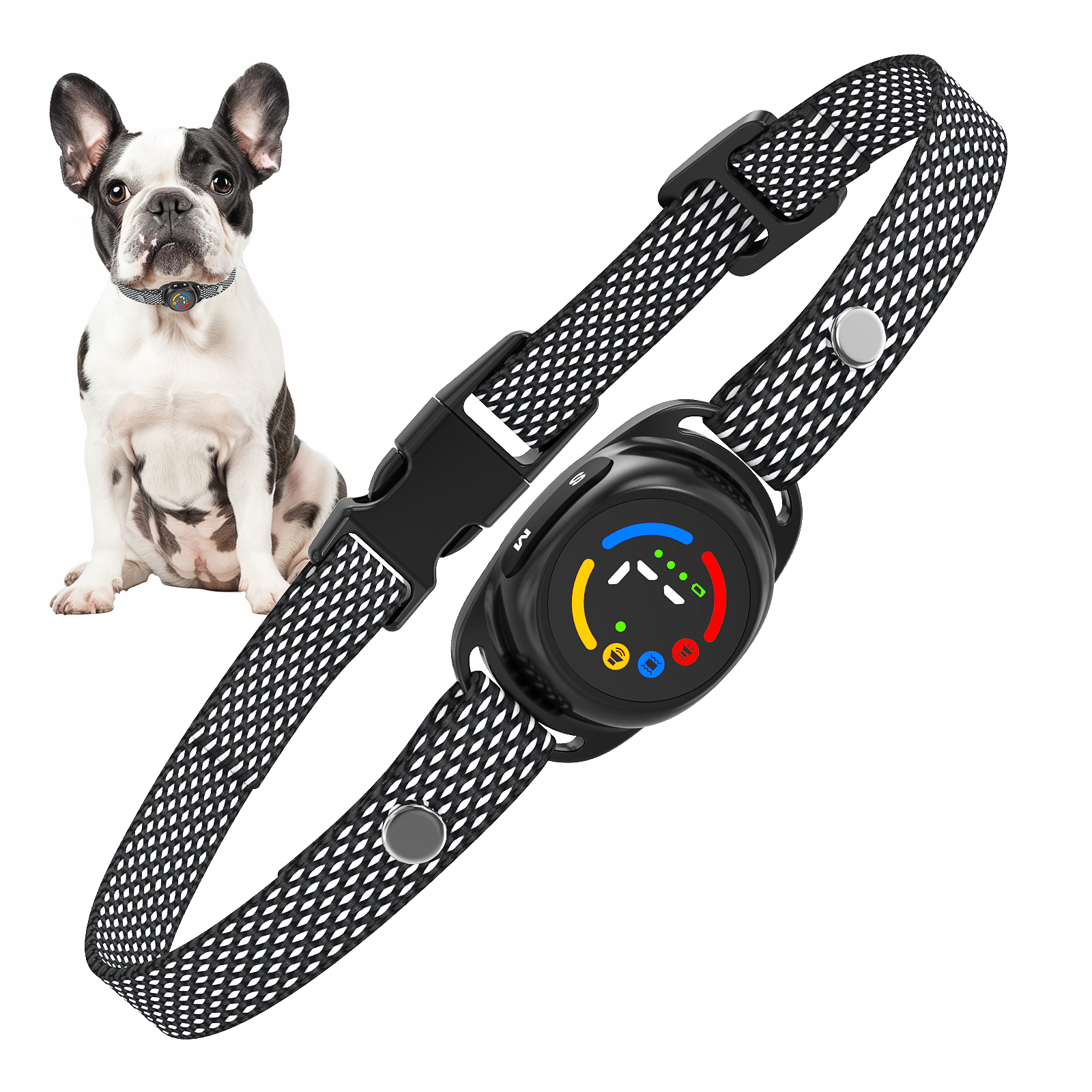

TZ-391G No Shock Bark Collar TZ-394G Shock Bark Collar
Choosing the Right Bark Collar: Key Considerations
Selecting a bark collar requires evaluating your dog’s size, temperament, and the severity of the barking issue. Below are factors to guide your decision:
1. Dog Size and Breed
Collars must fit comfortably. Smaller dogs may need lightweight models, while larger breeds require durable materials.
2. Correction Type
- Opt for a no shock anti bark collar if your dog is anxious or responsive to gentle cues.
- A bark shock collar for dogs might suit persistent cases but requires cautious use.
3. Battery Life and Durability
Look for waterproof designs and long-lasting batteries for uninterrupted use.
4. Training Compatibility
Pair the collar with reward-based training to reinforce quiet behavior.
Ethical Use and Safety Tips
Regardless of the collar type, ethical usage is paramount:
- Avoid 24/7 Wear: Limit collar use to specific training sessions.
- Monitor Reactions: Discontinue use if your dog shows signs of stress (e.g., hiding, excessive panting).
- Combine with Positive Reinforcement: Reward quiet behavior with treats or praise.
Humane options like the **anti dog bark collar no shock** align with modern animal welfare standards, but even shock collars can be safe when used minimally and as a last resort.
Conclusion: Balancing Discipline and Compassion
Bark collars, when chosen thoughtfully, can be valuable tools for managing excessive barking. Whether you opt for a no shock anti bark collar to prioritize comfort or a bark shock collar for dogs to address severe cases, understanding your pet’s needs is key. Always prioritize your dog’s well-being and consult professionals to ensure a harmonious solution for you and your furry companion.
By combining technology with empathy, pet owners can foster quieter households without compromising their dog’s trust or happiness.
What Is The Most Effective Device To Stop Dog Barking?
How to Train Your Dog with a Remote Training Collar?
Related Article
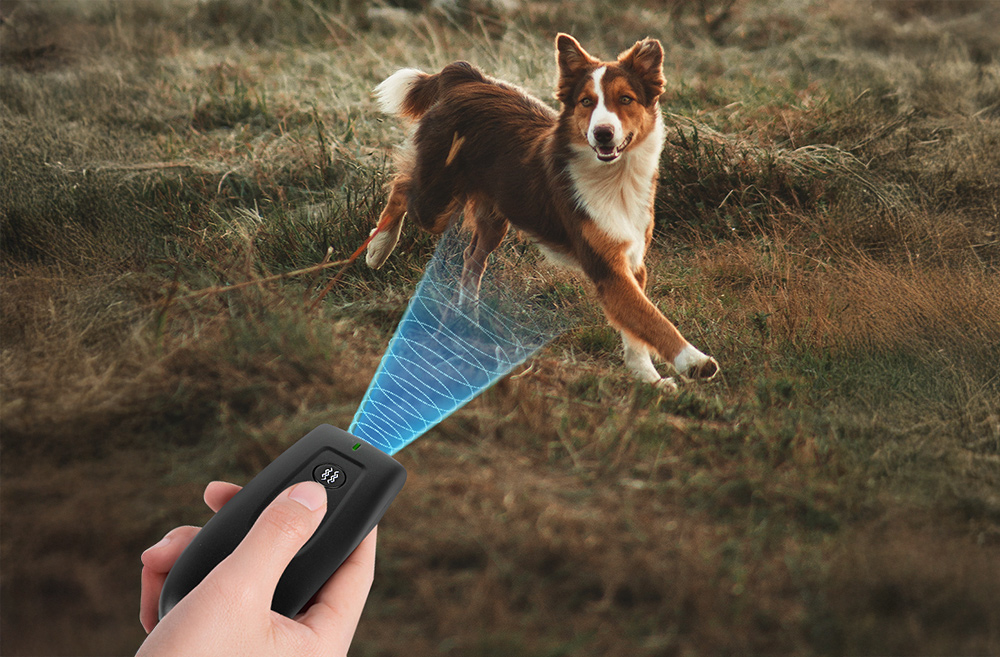
Generally, most veterinary behaviorists do not recommend ultrasonic bark devices for daily, long-term pet training due to anxiety risks and its nature as an aversive method. However, vets agree their recommendation depends heavily on the context.
Do Vets Recommend Ultrasonic Bark Stoppers?

This guide breaks down the four most effective dog barking training tool types, explains how to use them, and helps you pick the right fit for your dog.
What Dog Training Tools Help with Barking?

SEND MESSAGE
