
Vibration Collar vs Shock Collar: Which Is Better for Modern Dog Training?
author: Matthew TIZE
2025-02-08
Dog training has evolved significantly over the years, with technology introducing tools like remote dog training collars to help owners address behavioral challenges. Among these tools, vibrating collars and shock collars often spark heated debates. Which is more effective? Which is gentler on dogs?
To answer these questions, let's first explore how remote training collars work, then compare vibration and shock collars in terms of functionality, ethics, and suitability for different training scenarios.

How Do Remote Dog Training Collars Work?
Remote dog training collars are designed to deliver stimuli to dogs from a distance, helping owners reinforce commands or correct unwanted behaviors.
These collars typically pair with a handheld remote, allowing trainers to trigger vibrations, sounds, or mild electric pulses (in the case of shock collars).
The goal is to create a clear line of communication between the owner and the dog, especially in distracting environments like parks or during off-leash activities.
The effectiveness of these collars hinges on consistency and proper timing. For example, if a dog ignores a recall command, a timely stimulus—whether a vibration or a static shock—interrupts the behavior and redirects their attention.
However, the type of stimulus used plays a critical role in the dog’s physical and emotional response. This brings us to the core debate: vibration collars versus shock collars.
Is a vibration collar better than a shock collar?
A vibration collar is often considered better than a shock collar for most dogs, especially for basic training and behavior correction.
Vibration collars use gentle physical stimulation to get a dog's attention without causing pain, making them a more humane option for sensitive, anxious, or small dogs. They are effective for obedience training, recall, and barking control when combined with positive reinforcement.
Shock collars, while sometimes used for extreme cases under professional supervision, carry higher risks of stress and misuse. For responsible training, vibration collars are generally the safer and more widely recommended choice.
Vibration Collar vs Shock Collar: Key Differences
1. Mechanism of Action
- Vibrating Dog Collar Training
Vibration collars use tactile feedback—gentle buzzing or pulsing sensations—to get a dog's attention. The intensity of the vibration can often be adjusted, making it customizable for dogs of different temperaments. For instance, a timid dog might respond to a low-level vibration, while a stubborn breed may need a stronger setting. This method relies on the dog associating the vibration with a command, such as "come" or "stop”.
- Using Shock Collar to Train Dog
Shock collars deliver a mild electric stimulus, often described as a static-like sensation. While modern devices allow users to control the shock's intensity (from barely perceptible to uncomfortable), the sensation can still startle or stress some dogs.
Advocates argue that the "correction" is quick and effective for serious behavioral issues like chasing cars or aggression. Critics, however, question its ethical implications.
2. Humaneness and Dog Welfare
The debate over humaneness centers on how each tool affects a dog’s well-being:
- Vibration collars are widely viewed as the gentler option. Since they avoid pain or fear, they're ideal for sensitive dogs or those prone to anxiety. Many trainers praise vibrating dog collar training for fostering trust, as dogs learn to associate the stimulus with guidance rather than punishment.
- Shock collars are more controversial. While low-level shocks may not harm a dog physically, improper use (e.g., excessive intensity or poor timing) can lead to fear, aggression, or confusion. Organizations like the American Society for the Prevention of Cruelty to Animals (ASPCA) caution against training dogs with shock collars, citing risks of long-term psychological harm.
3. Effectiveness in Specific Scenarios
- Vibration collars excel in basic obedience training, such as recall or curbing excessive barking. They're less effective for high-stakes scenarios, like stopping a dog mid-chase, where an immediate reaction is critical.
- Shock collars, when used responsibly, can halt dangerous behaviors instantly. For example, a well-timed static correction might prevent a dog from bolting into traffic. However, this "reliability" comes at the cost of potential stress, making it a last-resort tool for many professionals.
---

Pros and Cons at a Glance
Aspect Vibration Collar Shock Collar
Safety Pain-free; low risk of stress Risk of fear/anxiety if misused
Training Speed Slower but builds positive associations. Faster for urgent corrections
Suitability Ideal for timid or sensitive dogs Reserved for severe behavioral issues
Ethical Concerns Minimal High (potential for misuse and discomfort)
Which Should You Choose?
The choice between vibrating dog collar training and using a shock collar to train a dog depends on your dog’s personality, the behaviors you’re addressing, and your training philosophy.
1. For Positive Reinforcement Enthusiasts
Vibration collars align well with reward-based methods. Pair the vibration with treats or praise to reinforce desired behaviors. Over time, many dogs respond to the vibration alone, reducing reliance on treats.
2. For Extreme Behavioral Challenges
Training dogs with shock collars may be necessary in life-threatening situations, such as preventing livestock chasing in working breeds. However, this should only be done under professional guidance to minimize risks.
3. Middle-Ground Solutions
Some collars combine vibration, sound, and shock modes, letting owners escalate stimuli gradually. For example, start with a vibration, then use a shock only if the dog ignores multiple warnings.
---
The Verdict: Vibration Collars Are the Future
While shock collars have their niche, modern dog training trends increasingly favor vibration collars for their ethical advantages. They empower owners to communicate without pain, fostering a stronger bond. As one trainer put it,“A dog that trusts you will learn faster and happier.”
That said, no tool replaces patience and consistency. Whether you opt for vibrating dog collar training or reserve shock collars for emergencies, prioritize your dog's emotional well-being. After all, the goal isn't just obedience—it's a happy, confident companion.
Are Anti Bark Collars Harmful to Dogs?
Introduction of Auto Electric Shock Bark Collars for Dogs
Related Article
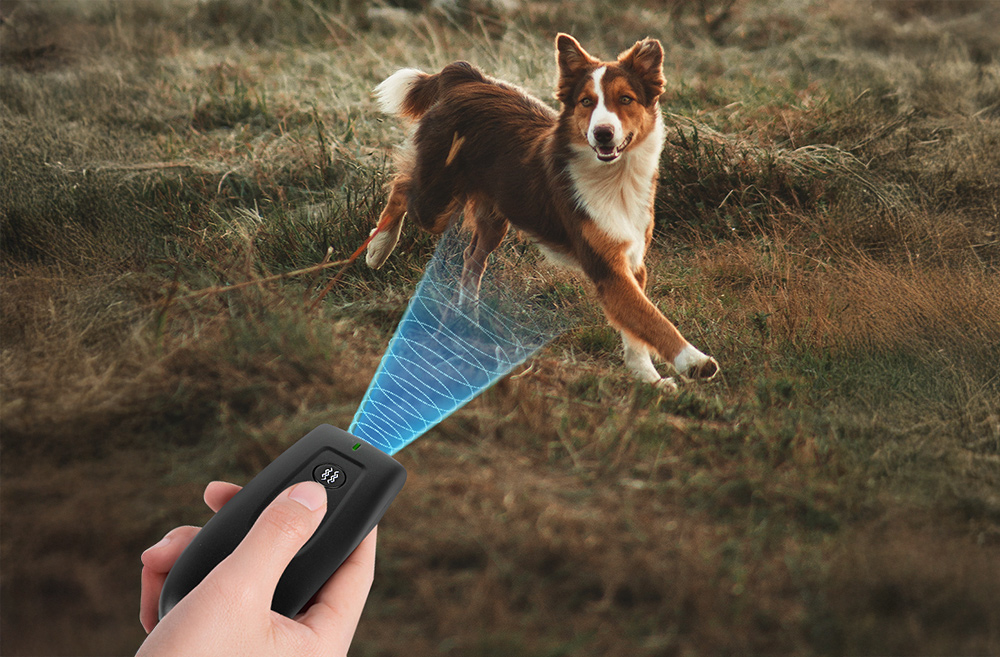
Generally, most veterinary behaviorists do not recommend ultrasonic bark devices for daily, long-term pet training due to anxiety risks and its nature as an aversive method. However, vets agree their recommendation depends heavily on the context.
Do Vets Recommend Ultrasonic Bark Stoppers?

This guide breaks down the four most effective dog barking training tool types, explains how to use them, and helps you pick the right fit for your dog.
What Dog Training Tools Help with Barking?


SEND MESSAGE
