
How to Use a Remote Dog Training Collar: A Comprehensive Guide
author: Matthew TIZE
2025-02-21
Training a dog can be both rewarding and challenging, especially when addressing behavioral issues like excessive barking, digging, or ignoring commands. Fortunately, modern technology offers tools like remote dog training collars to make the process more efficient and humane. These devices, often referred to as remote training collars for dogs, are designed to reinforce positive behavior while gently discouraging unwanted actions. In this guide, we’ll explore how these collars work, their key features, and how to use them responsibly to strengthen your bond with your furry companion.
---
What Is a Remote Dog Training Collar?
A remote dog trainer is a device that pairs a handheld remote transmitter with a receiver collar worn by the dog. The trainer uses the remote to send signals—such as vibrations, audible tones, or mild static stimulation—to the collar, providing immediate feedback during training sessions. Unlike outdated shock collars, modern remote training collars for dogs prioritize safety and customization, allowing owners to adjust intensity levels based on their dog’s size, temperament, and sensitivity.
These tools are particularly useful for off-leash training, correcting behaviors at a distance, or reinforcing obedience in distracting environments like parks or hiking trails.
Key Features of Remote Collars for Dog Training
1. Adjustable Stimulation Levels
Most remote collars for dog training offer multiple stimulation modes, including vibration, sound, and static pulses. The intensity can be tailored to suit your dog’s needs, ensuring the correction is noticeable but never harmful.
2. Range and Reliability
High-quality collars operate within a range of 500 yards to over a mile, depending on the model. This makes them ideal for large properties or outdoor adventures.
3. Waterproof Design
Many collars are waterproof, allowing dogs to swim or play in the rain without damaging the device.
4. Rechargeable Batteries
Modern collars often include USB-rechargeable batteries, eliminating the hassle of frequent battery replacements.
5. Multi-Dog Compatibility
Some remotes can pair with multiple collars, perfect for households with more than one dog.
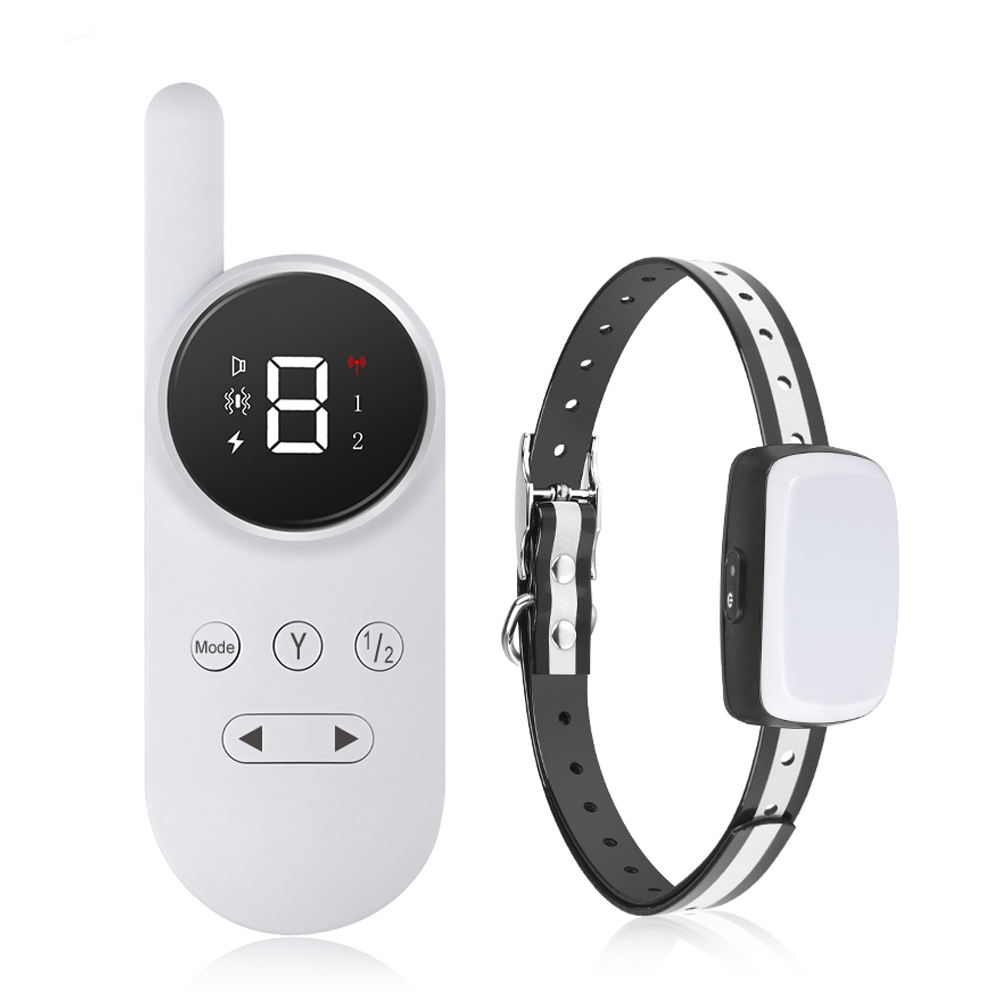

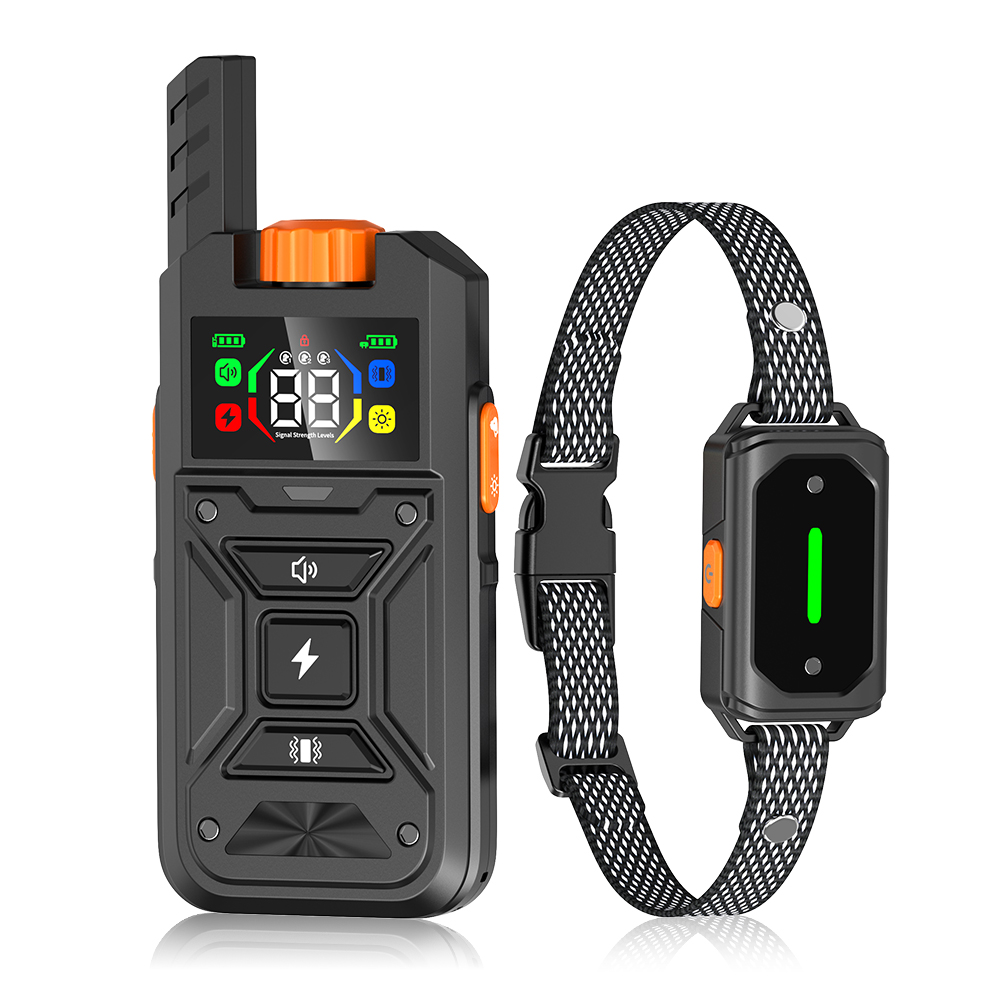
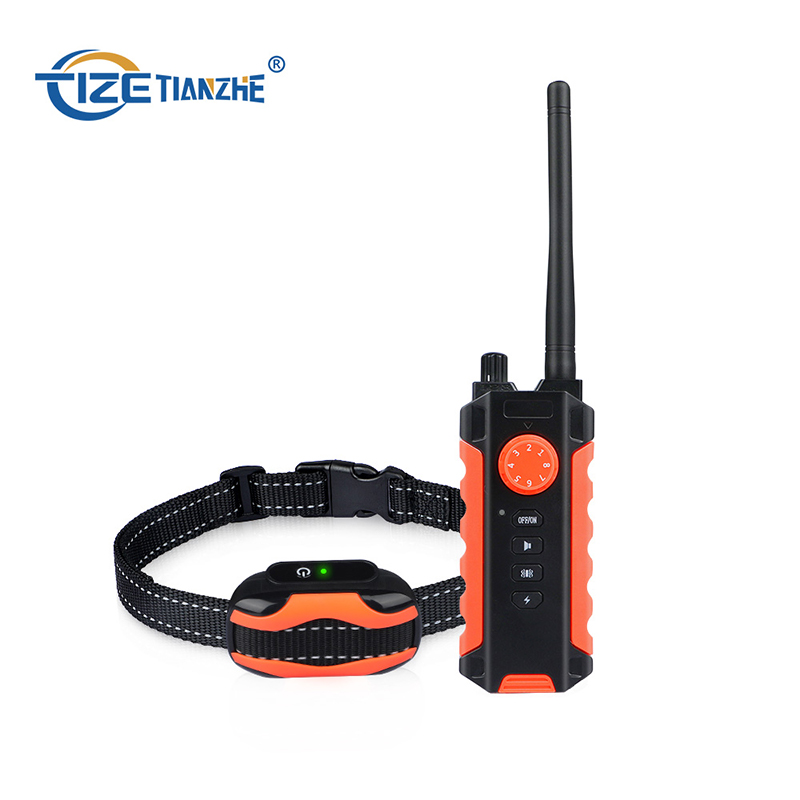
TZ-943 800m remote dog training collar for 3 dogs TZ-810 1000m remote dog training collar for 3 dogs
How Do Remote Dog Training Collars Work?
The core principle behind remote training collars for dogs is communication. Here’s a step-by-step breakdown:
1. Pairing the Collar and Remote
First, sync the collar with the handheld remote. This ensures the signals are transmitted accurately.
2. Introducing the Collar to Your Dog
Let your dog wear the collar without activating it for a few days. This helps them associate the collar with normal activities, reducing anxiety.
3. Using Commands and Signals
Start with basic obedience training (e.g., “sit” or “come”). When your dog obeys, reward them with praise or treats. If they ignore the command, use the remote to send a gentle vibration or tone as a reminder.
4. Timing Is Everything
Corrections must be immediate. For example, if your dog begins to chase a squirrel, activate the signal the moment the unwanted behavior starts. This creates a clear cause-and-effect connection.
5. Gradual Progression
Begin with the lowest stimulation level and increase only if necessary. The goal is to use the minimal effective stimulus, not to startle or distress your dog.
Responsible Use: Dos and Don’ts
DO:
- Combine with Positive Reinforcement
Always pair corrections with rewards when your dog responds correctly. This reinforces good behavior.
- Test the Collar on Yourself First
Before using it on your dog, try the stimulation on your hand to understand how it feels.
- Respect Your Dog’s Limits
If your dog seems stressed, lower the intensity or take a break.
DON’T:
- Use the Collar as Punishment
Never activate the collar out of frustration. It’s a training tool, not a disciplinary weapon.
- Leave the Collar On Indefinitely
Remove it after training sessions to prevent skin irritation.
- Skip Professional Guidance
If you’re unsure, consult a certified dog trainer to avoid misuse.
Common Scenarios for Using a Remote Dog Trainer
1. Recall Training
Teach your dog to return reliably when called, even amid distractions.
2. Curbing Excessive Barking
A vibration or tone can interrupt barking without startling nearby neighbors.
3. Boundary Training
Use the collar to teach dogs to stay within yard limits or avoid hazardous areas.
4. Leash Pulling
Pair the collar’s feedback with loose-leash walking practice for faster results.

Choosing the Right Remote Training Collar for Your Dog
When selecting remote collars for dog training, consider:
- Size and Breed: Smaller dogs may need lighter, more compact collars.
- Training Goals: If you focus on obedience, opt for collars with tone/vibration modes. For stubborn behaviors, look for adjustable static stimulation.
- Durability: Active dogs benefit from waterproof, shockproof designs.
Popular brands like Garmin, SportDOG, and Dogtra offer reliable options tailored to different needs.
Final Thoughts
A remote dog trainer can be an invaluable tool when used ethically and consistently. Remember, the collar is not a substitute for patience, practice, or bonding with your pet. By understanding your dog’s needs and combining technology with positive reinforcement, you’ll create a happier, safer, and more obedient companion.
Whether you’re teaching boundaries or mastering off-leash freedom, remote training collars for dogs empower owners to communicate clearly—strengthening trust and ensuring your dog thrives in any environment.
How Does a GPS Dog Fence Work? A Modern Solution for Pet Safety
What is The Best Wireless Dog Fence? A Comprehensive Guide for Pet Owners
Related Article
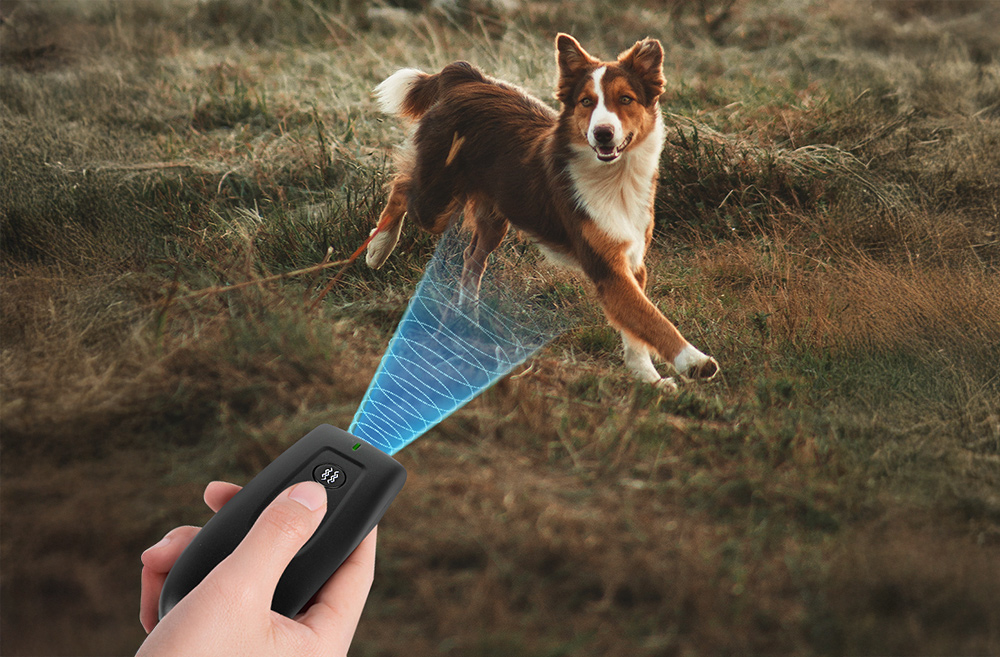
Generally, most veterinary behaviorists do not recommend ultrasonic bark devices for daily, long-term pet training due to anxiety risks and its nature as an aversive method. However, vets agree their recommendation depends heavily on the context.
Do Vets Recommend Ultrasonic Bark Stoppers?
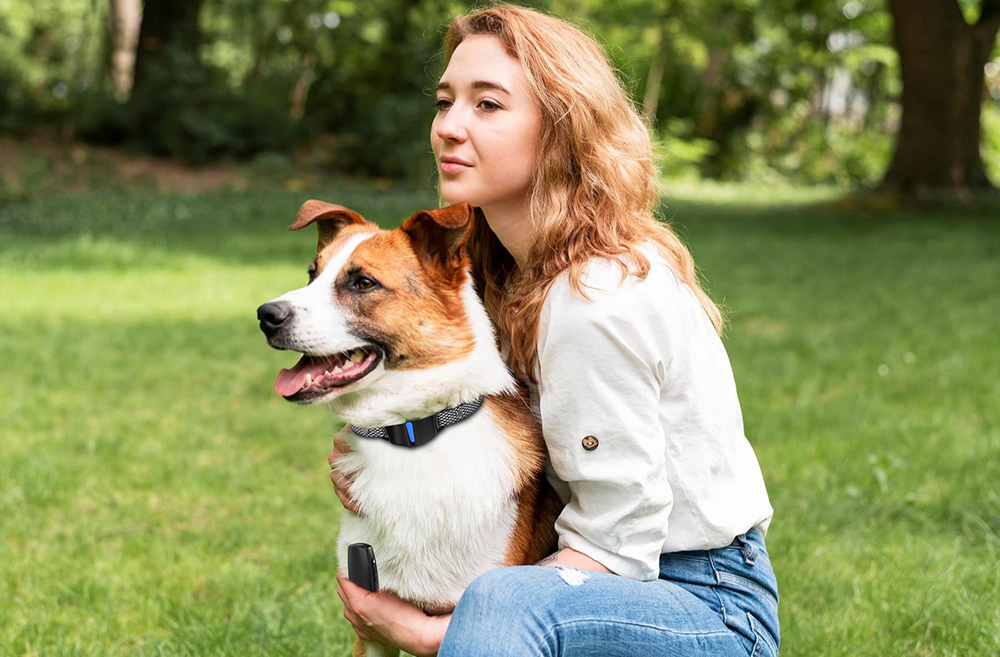
This guide breaks down the four most effective dog barking training tool types, explains how to use them, and helps you pick the right fit for your dog.
What Dog Training Tools Help with Barking?
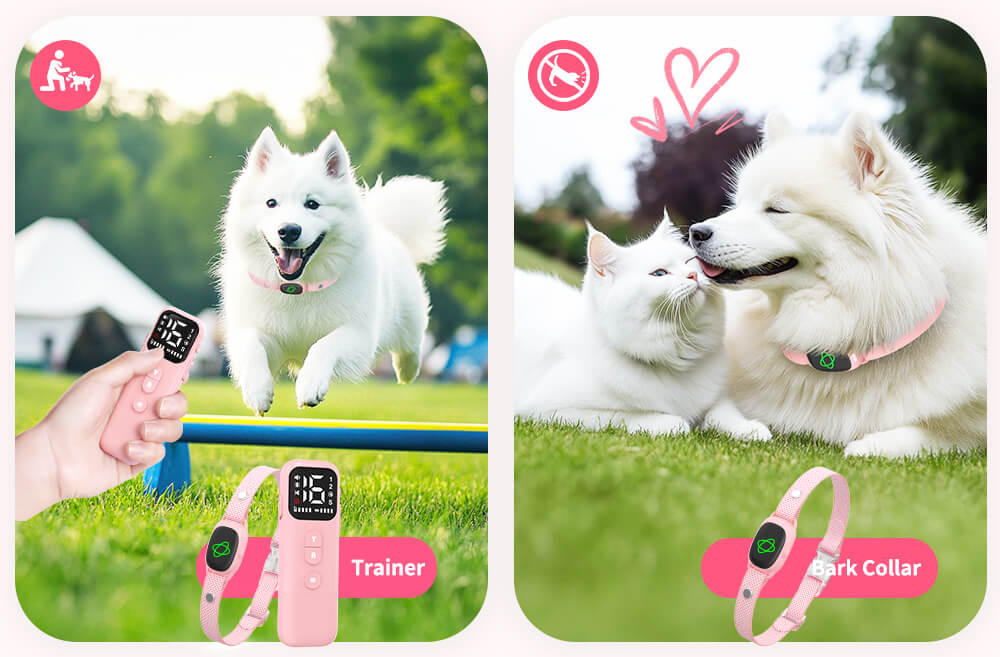

SEND MESSAGE
