
How To Use Ultrasonic Dog Repeller: A Comprehensive Guide
author: Matthew TIZE
2025-02-11
For pet owners, joggers, or anyone who spends time outdoors, encountering an aggressive or stray dog can be a nerve-wracking experience. While most dogs are friendly, unpredictable behavior can pose risks. This is where ultrasonic dog repellers come into play. These devices offer a humane, non-invasive way to deter dogs without causing harm.
In this guide, we’ll explore what ultrasonic dog repellers are, their types, how they work, and how to use them effectively.
Understanding Ultrasonic Dog Repellers
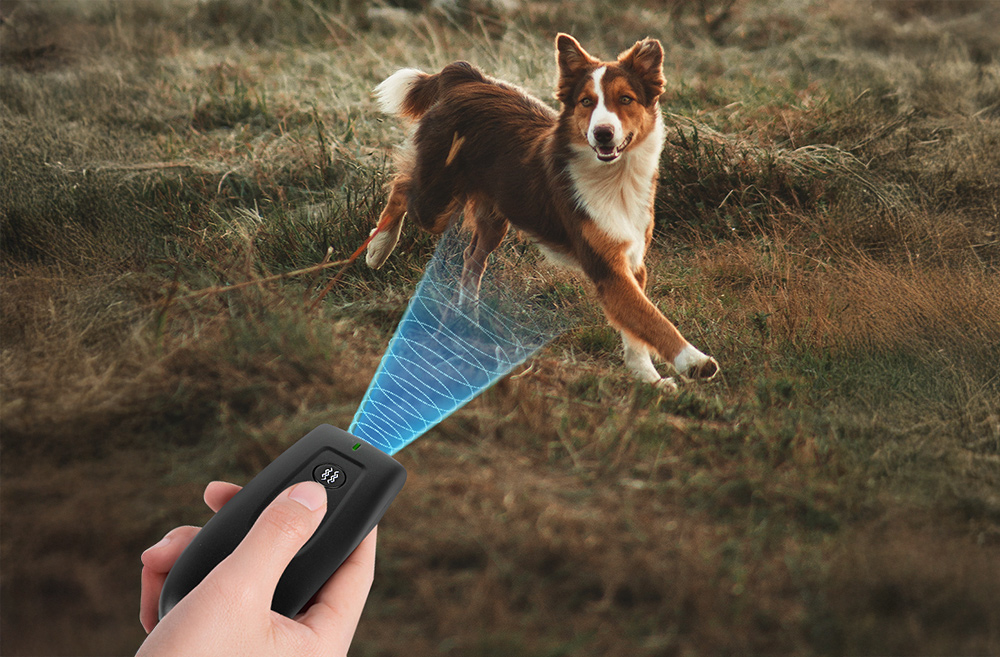
An ultrasonic dog repeller is an electronic device that emits high-frequency sound waves (typically between 20 kHz and 45 kHz) inaudible to humans but uncomfortable for dogs. The sound disrupts their focus, discouraging them from approaching. Unlike sprays or physical barriers, these devices prioritize safety for both humans and animals.
Types of Ultrasonic Dog Repellers
1. Outdoor Ultrasonic Dog Repeller
Designed for stationary use, these devices are ideal for protecting gardens, yards, or campsites. They often feature weatherproof designs and cover larger areas (up to 50 feet). Some models include motion sensors to activate only when movement is detected, conserving battery life.
2. Portable Ultrasonic Dog Repeller
Compact and lightweight, these handheld devices are perfect for hikers, cyclists, or dog walkers. Their key advantage is mobility—simply point the device toward an approaching dog and press a button. Many include built-in flashlights or alarms for added safety.
3. Powerful Ultrasonic Dog Repeller
Engineered for maximum efficiency, these high-intensity models emit stronger soundwaves to deter even large or stubborn dogs. They often feature adjustable frequency settings and extended ranges, making them suitable for professional use or high-risk environments.


How Do They Work?
Ultrasonic repellers leverage dogs’ sensitive hearing. When activated, the device emits a sharp, high-pitched tone that startles the animal, interrupting aggressive behavior. Most models operate in two modes:
- Continuous Mode: Emits a steady sound to create a deterrent zone.
- Pulse Mode: Releases intermittent bursts to confuse or disorient the dog.
Importantly, these sounds cause no physical pain—they simply create an unpleasant auditory experience, encouraging the dog to retreat.
Choosing the Right Device for Your Needs
Selecting the best ultrasonic dog repeller depends on your lifestyle and environment. Here’s a breakdown of how each type excels in specific scenarios:
1. Outdoor Ultrasonic Dog Repeller for Property Protection
If stray dogs frequently trespass into your garden or yard, a stationary outdoor repeller is ideal. Install it near entry points like gates or fences. For optimal results, pair it with motion-activated lights to amplify the deterrent effect.
2. Portable Ultrasonic Dog Repeller for On-the-Go Safety
Joggers and travelers benefit from pocket-sized devices. Look for models with carabiners or wrist straps for easy access. Test the device beforehand to ensure its frequency is audible to dogs (some older dogs may have hearing limitations).
3. Powerful Ultrasonic Dog Repeller for High-Stakes Situations
Animal control professionals or hikers in areas with aggressive wildlife may need a heavy-duty device. Prioritize models with rechargeable batteries and adjustable volume to balance effectiveness and battery life.
Step-by-Step Guide to Using an Ultrasonic Dog Repeller
To maximize your device’s efficiency, follow these steps:
1. Familiarize Yourself with the Device
Read the manual to understand its features. Test the repeller in a controlled environment (e.g., with your own dog, if possible) to gauge its range and responsiveness.
2. Position or Carry It Correctly
- Outdoor Models: Mount the device at knee height, angled toward common entry points. Avoid obstructions like bushes or walls that could block soundwaves.
- Portable Models: Keep it in an easily accessible pocket or clipped to a belt.
3. Activate the Repeller Preemptively
If you notice a dog displaying signs of aggression (growling, raised hackles), activate the device before it gets too close. For outdoor repellers with motion sensors, ensure the detection zone covers vulnerable areas.
4. Combine with Non-Verbal Cues
Stand tall, avoid direct eye contact, and slowly back away while holding the repeller. This reinforces the deterrent effect by signaling confidence.
5. Maintain and Update Regularly
Check batteries monthly for stationary devices. Clean sensors to prevent dirt buildup, and consider upgrading to newer models with advanced frequency ranges if your current repeller loses effectiveness.
Ethical Considerations and Limitations
While ultrasonic repellers are humane, responsible usage is key:
- Avoid overusing the device near non-aggressive dogs, as prolonged exposure may cause stress.
- Do not substitute repellers for proper pet training or secure fencing.
- Recognize that some dogs (e.g., hearing-impaired or highly motivated breeds) may not respond to ultrasonic sounds.
Conclusion
Ultrasonic dog repellers are versatile tools for enhancing safety in dog-prone areas. Whether you opt for an outdoor ultrasonic dog repeller to safeguard your property, a portable ultrasonic dog repeller for adventures, or a powerful ultrasonic dog repeller for challenging scenarios, understanding their mechanics and proper usage ensures success.
By combining technology with awareness, you can enjoy peace of mind while respecting the well-being of our canine companions.
How to Train a Dog with a Vibration Collar: A Humane and Effective Approach
What Is A Shock Collar? Understanding the Basics of Dog Bark Collars
Related Article
Generally, most veterinary behaviorists do not recommend ultrasonic bark devices for daily, long-term pet training due to anxiety risks and its nature as an aversive method. However, vets agree their recommendation depends heavily on the context.
Do Vets Recommend Ultrasonic Bark Stoppers?
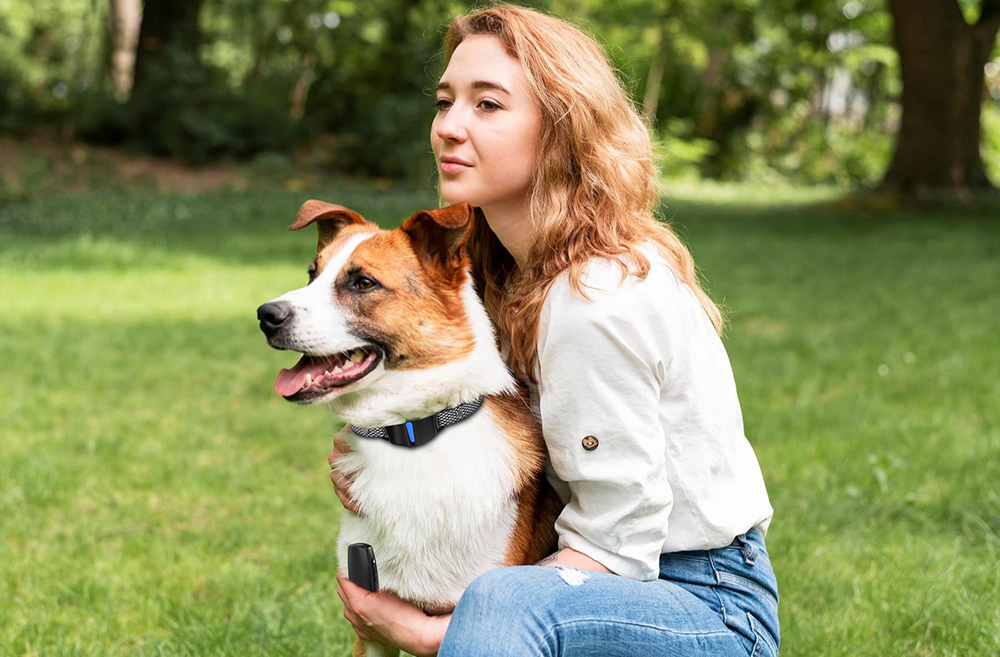
This guide breaks down the four most effective dog barking training tool types, explains how to use them, and helps you pick the right fit for your dog.
What Dog Training Tools Help with Barking?

SEND MESSAGE
