
What Is A Shock Collar? Understanding the Basics of Dog Bark Collars
author: Matthew TIZE
2025-02-11
As pet owners increasingly seek solutions to manage excessive barking and behavioral issues in dogs, tools like bark collars have become a topic of both interest and debate. Among these, the shock collar stands out as one of the most discussed—and divisive—devices. In this article, we’ll explore what bark collars are, how they work, and dive deeper into the specifics of shock collars. We’ll also address common questions like "How to use a shock collar" and "Is a shock collar bad for dogs?" to help you make informed decisions for your furry companion.

Part 1: Dog Bark Collars—Definition, Types, and Mechanisms
A dog bark collar is a wearable device designed to deter excessive barking through automated feedback. These collars detect vocalizations (via sound or vibrations) and deliver a corrective stimulus to interrupt the behavior. There are four primary types:
1. Ultrasonic Collars: Emit high-pitched sounds uncomfortable to dogs but inaudible to humans.
2. Vibration Collars: Deliver a gentle vibrating sensation to startle the dog.
3. Citronella Spray Collars: Release a burst of citronella scent, which most dogs dislike.
4. Static Shock Collars: Administer a mild electric pulse, adjustable in intensity.
While ultrasonic, vibration, and spray collars rely on sensory distractions, shock collars use aversive stimuli—a feature that sparks ethical concerns. Let’s focus on this controversial tool.
Part 2: Shock Collars Explained
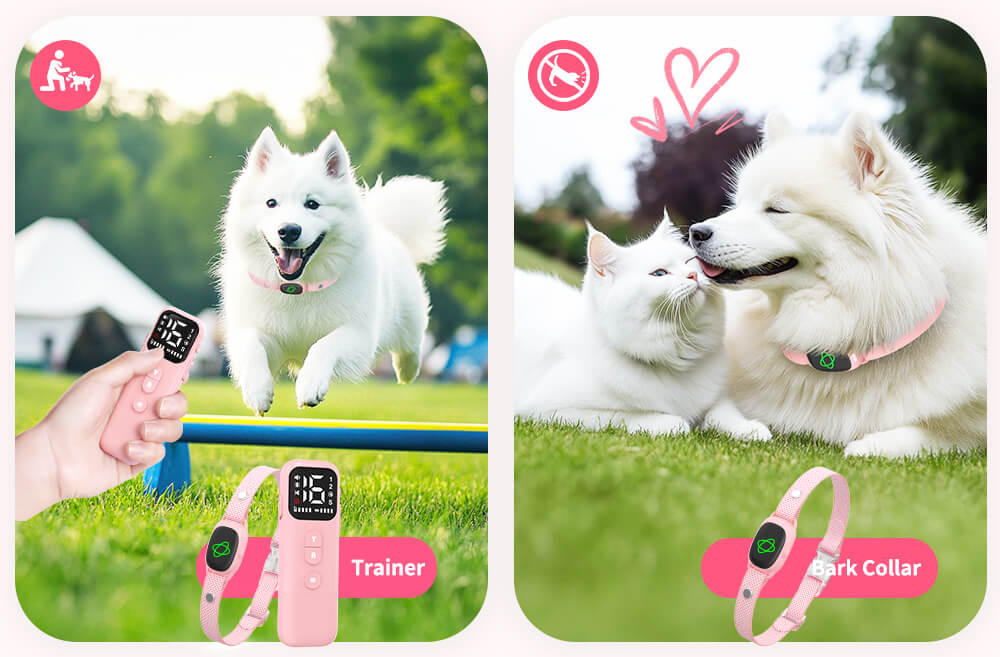
A shock collar (or e-collar) is a remote-controlled or bark-activated device that delivers an electric stimulus to a dog’s neck. Commonly used in shock collar dog training, it aims to correct behaviors like excessive barking, aggression, or disobedience.
How Do Shock Collars Work?
- Detection: Advanced models sense barking through sound, vibrations, or a combination.
- Stimulus Delivery: A static pulse is triggered, ranging from a mild tingling sensation to a sharper jolt (adjustable via settings).
- Remote Control: Many collars allow owners to manually activate corrections during training sessions.
Proponents argue that shock collars offer precise, immediate feedback, especially for off-leash training or addressing dangerous behaviors (e.g., chasing cars). Critics, however, question their humanity and long-term impact.
How to Use a Shock Collar Responsibly
If you opt for a shock collar, proper usage is critical to minimize harm. Here’s a step-by-step guide:
1. Consult a Professional: Work with a certified dog trainer to determine if a shock collar suits your dog’s temperament.
2. Test Sensitivity: Start at the lowest setting and gradually increase until you notice a reaction (e.g., ear twitch). Never use maximum intensity.
3. Pair with Positive Reinforcement: Reward desired behaviors immediately after administering a correction.
4. Limit Duration: Avoid prolonged use; the collar should be a short-term training aid, not a permanent solution.
5. Monitor Closely: Watch for signs of stress (whining, hiding) and discontinue use if they persist.
Misuse, such as overstimulation or punitive application, risks physical and psychological harm—central to the debate over *"Is a shock collar bad for dogs?"*

Is a Shock Collar Bad for Dogs? Weighing the Debate
The ethics of shock collars remain contentious. Here’s a balanced look at both sides:
Arguments Against Shock Collars
- Physical and Emotional Harm: Poorly calibrated shocks can cause burns, anxiety, or fear-based aggression.
- Suppression vs. Learning: Critics argue collars suppress symptoms (barking) without addressing root causes (e.g., separation anxiety).
- Negative Associations: Dogs may link the pain to unrelated stimuli (e.g., children or other pets), worsening behavioral issues.
Arguments in Favor
- Effective for Stubborn Cases: For dogs unresponsive to gentler methods, controlled shocks can break dangerous habits.
- Remote Safety: Useful for recalling dogs in hazardous situations (e.g., near traffic).
- Customizable Settings: Modern collars offer progressive correction levels to suit individual dogs.
Organizations like the American Kennel Club (AKC) acknowledge their utility in expert hands but warn against casual use.

Conclusion: A Tool, Not a Quick Fix
Shock collars are neither inherently "good" nor "bad"—their impact depends on context, intent, and execution. While shock collar dog training can yield results for specific scenarios, alternatives like positive reinforcement or citronella collars often provide safer, trust-building solutions. Always prioritize your dog’s well-being: ask "Is a shock collar bad for my dog?" and let their physical and emotional response guide your choice.
Before purchasing, research brands with safety certifications, read user reviews, and—most importantly—invest time in understanding your dog’s unique needs. Responsible pet ownership isn’t about finding shortcuts; it’s about fostering a happy, healthy bond with your four-legged friend.
How To Use Ultrasonic Dog Repeller: A Comprehensive Guide
Do Electric Fences Really Work For Dogs? A Comprehensive Guide
Related Article
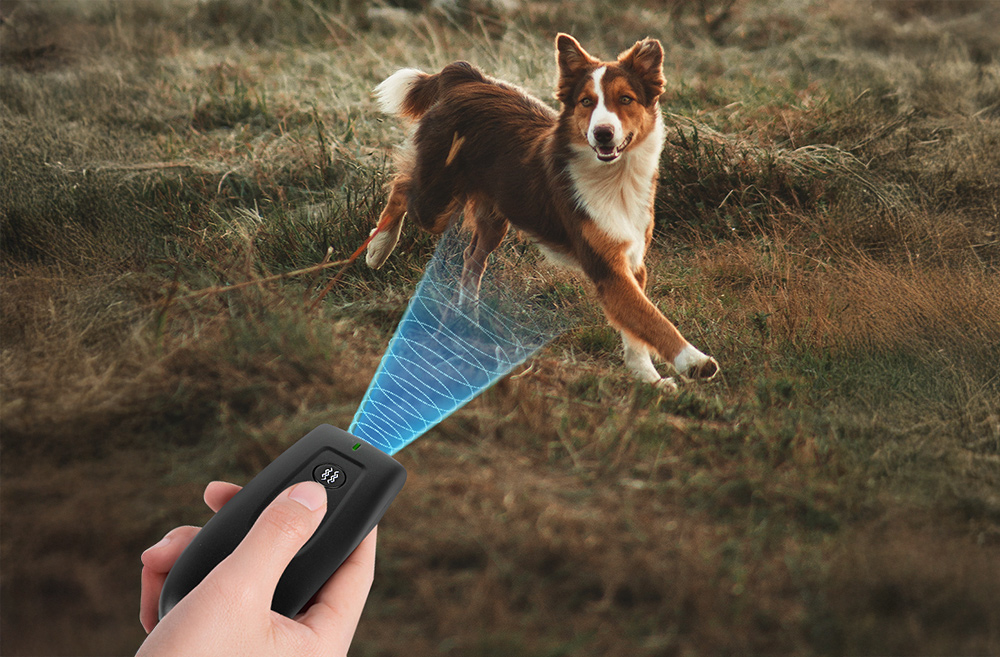
Generally, most veterinary behaviorists do not recommend ultrasonic bark devices for daily, long-term pet training due to anxiety risks and its nature as an aversive method. However, vets agree their recommendation depends heavily on the context.
Do Vets Recommend Ultrasonic Bark Stoppers?

This guide breaks down the four most effective dog barking training tool types, explains how to use them, and helps you pick the right fit for your dog.
What Dog Training Tools Help with Barking?

SEND MESSAGE
