
How to Train Your Dog with a Remote Training Collar?
author: Matthew TIZE
2025-02-12
Training a dog requires patience, consistency, and the right tools. Among modern training aids, the remote dog training collar has gained popularity for its effectiveness in reinforcing commands and addressing behavioral issues. However, understanding how to use this tool responsibly is critical. In this guide, we’ll explore what remote training collars are, their types, how they work, and actionable steps to integrate them into your training routine.
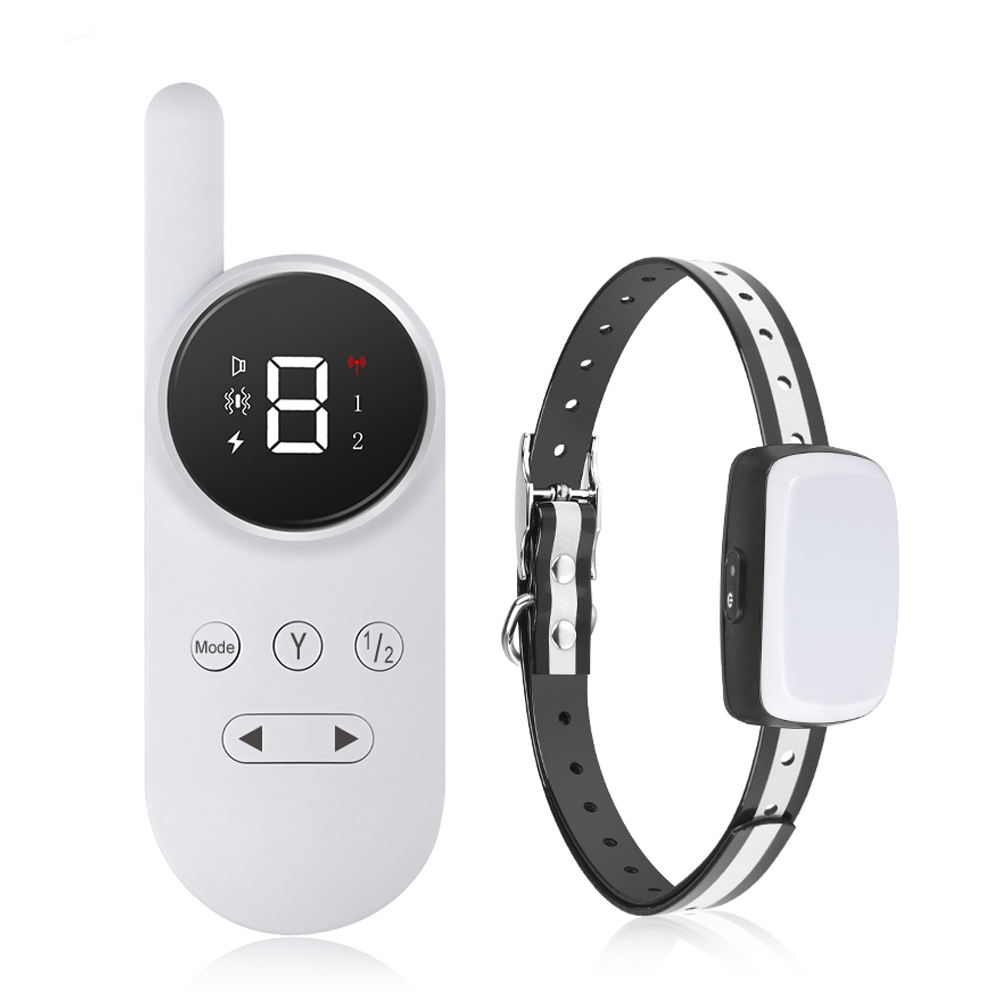
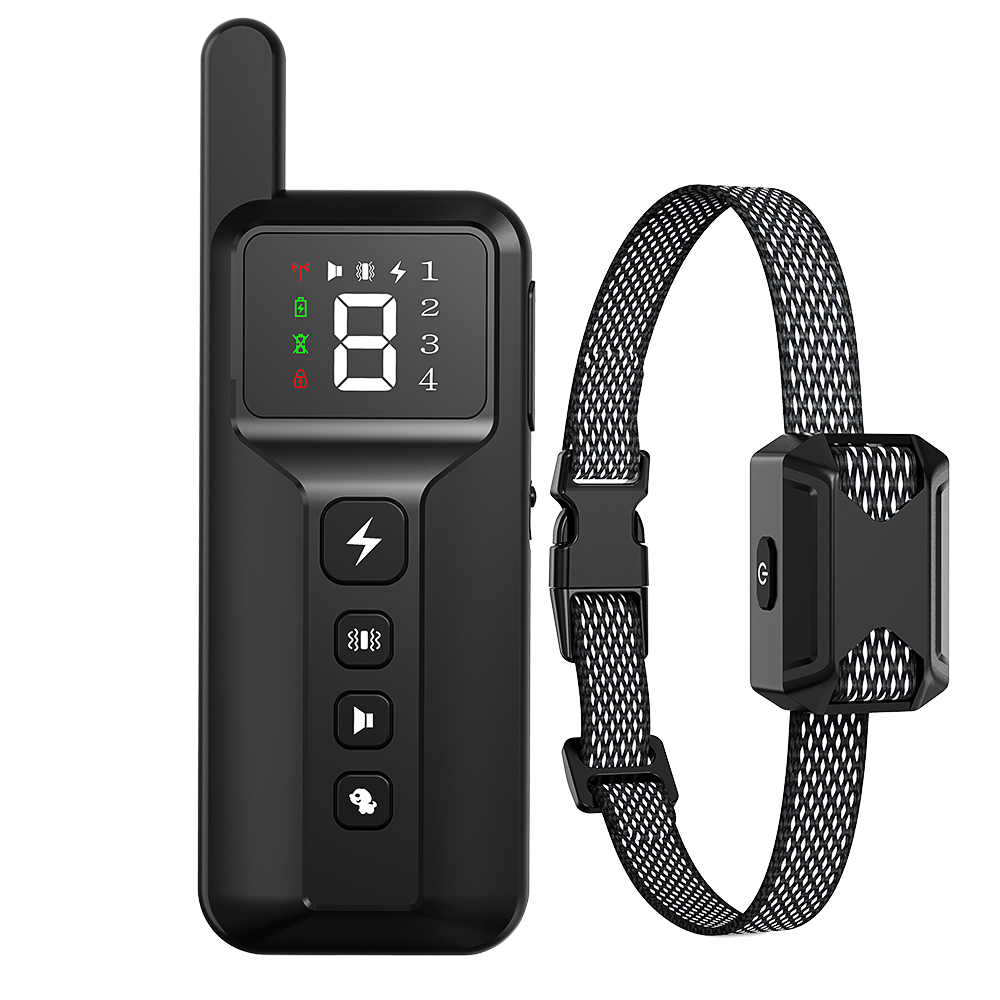
Understanding Remote Dog Training Collars
A remote dog training collar is a device designed to deliver stimuli—such as vibrations, sounds, or mild static pulses—to a dog via a collar receiver, controlled wirelessly by a handheld remote. These collars are not intended to punish but to redirect a dog’s attention, reinforce obedience, or deter unwanted behaviors like excessive barking or chasing.
Types of Remote Training Collars
1. Vibration-Only Collars: Emit a buzzing sensation to gently alert the dog. Ideal for sensitive breeds or basic obedience training.
2. Tone (Beep) Collars: Use audible signals to communicate with the dog, often paired with vibration or static stimulation for multi-modal training.
3. Dog Shock Training Collar Remote: These collars deliver adjustable static pulses. The term "shock" can sound harsh, but modern devices use safe, low-level stimulation comparable to a static shock from touching a doorknob.
4. GPS-Enabled Collars: Combine training features with location tracking, perfect for off-leash adventures.
When choosing a dog training shock collar with remote, prioritize adjustable intensity levels, a reliable range (typically 300–1,000 yards), and waterproof designs for durability.

How Do Remote Collars Work?
The system includes two components:
- Collar Receiver: Worn around the dog’s neck, it contains contact points that deliver stimuli.
- Handheld Remote: Allows the owner to trigger vibrations, sounds, or static pulses.
Advanced models offer progressive stimulation, starting with a warning tone before escalating to vibration or static. This layered approach ensures the dog associates the correction with specific behaviors.
---
How to Use a Remote Training Collar Responsibly
Using a remote collar effectively requires strategy and empathy. Follow these steps to ensure humane and successful training:
Step 1: Acclimate Your Dog to the Collar
Before activating stimuli, let your dog wear the collar without any stimulation for short periods. Pair this with treats and praise to create positive associations.
Step 2: Master Basic Commands First
Remote collars work best for reinforcing known commands (e.g., “sit,” “come”) rather than teaching new ones. Ensure your dog understands verbal cues before introducing the collar.
Step 3: Start with the Lowest Stimulation Level
Begin with vibration or tone modes. If using a dog shock training collar remote, set the static pulse to the lowest setting. Gradually increase intensity only if the dog doesn’t respond.
Pro Tip: Test the stimulation on your own skin first to gauge its intensity.
Step 4: Time Corrections Accurately
Deliver the stimulus the moment the unwanted behavior occurs. Dogs live in the present; delayed corrections confuse them. For example, if your dog ignores a “come” command, trigger a vibration immediately.
Step 5: Pair Stimuli with Positive Reinforcement
Always follow a correction with praise or a treat when the dog obeys. This teaches them that responding correctly leads to rewards.
Step 6: Avoid Overuse
Limit training sessions to 10–15 minutes to prevent stress. Never use the collar out of frustration.

Common Training Scenarios
Here’s how to apply a dog training shock collar with remote in real-life situations:
1. Recall Training:
- Command “come” while pressing the tone button.
- If the dog ignores it, use a brief vibration. Reward immediately upon compliance.
2. Curbing Excessive Barking:
- Use automatic bark detection modes (available in some collars) or trigger a vibration when barking starts.
3. Boundary Training:
- Pair static stimulation with verbal cues like “stop” when the dog approaches a restricted zone.
---
Ethical Considerations
While how to use a remote training collar effectively is important, ethical use is non-negotiable:
- Never use it as a punishment tool. The goal is communication, not fear.
- Consult a professional trainer if unsure about techniques.
- Avoid using on puppies under 6 months or anxious dogs.
---
Conclusion
A remote training collar can be a game-changer for off-leash control and behavioral correction when used thoughtfully. By selecting the right type (like a vibration collar for sensitive dogs or a dog training shock collar with remote for stubborn behaviors), acclimating your pet gradually, and combining stimuli with positive reinforcement, you’ll build trust and obedience. Remember, the collar is not a substitute for consistent training—it’s a tool to enhance communication. With patience and responsibility, you and your dog can enjoy a happier, safer bond.
Final Tip: Always read the manufacturer’s guidelines and prioritize your dog’s comfort. Training should strengthen your relationship, not strain it.
What Is A Bark Collar? A Comprehensive Guide for Pet Owners
How to Train a Dog with a Vibration Collar: A Humane and Effective Approach
Related Article
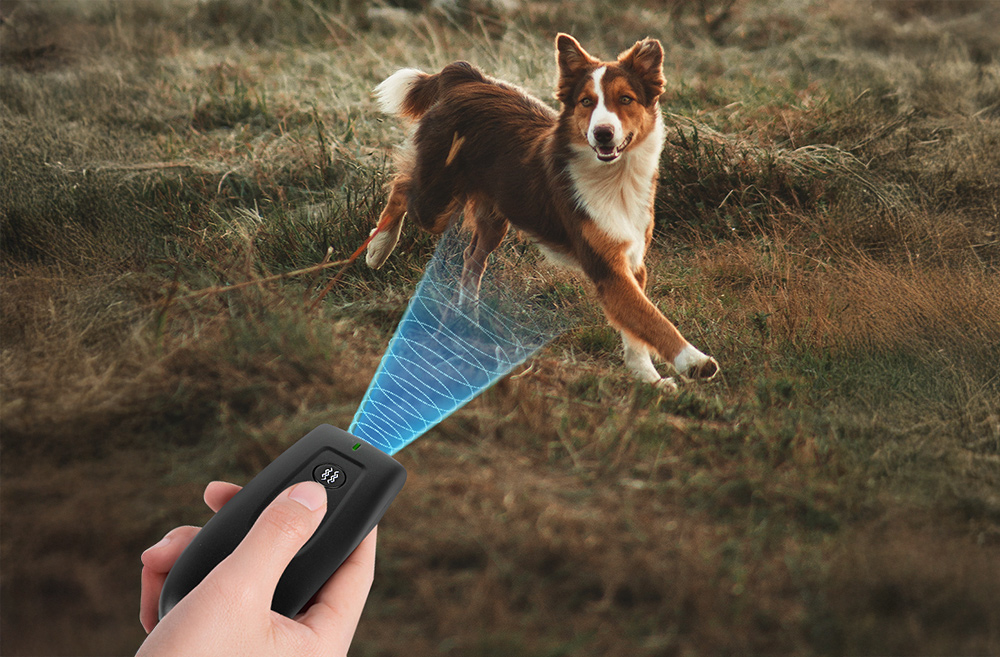
Generally, most veterinary behaviorists do not recommend ultrasonic bark devices for daily, long-term pet training due to anxiety risks and its nature as an aversive method. However, vets agree their recommendation depends heavily on the context.
Do Vets Recommend Ultrasonic Bark Stoppers?

This guide breaks down the four most effective dog barking training tool types, explains how to use them, and helps you pick the right fit for your dog.
What Dog Training Tools Help with Barking?

SEND MESSAGE
