
How to Train a Dog with a Vibration Collar: A Humane and Effective Approach
author: Matthew TIZE
2025-02-12
Training a dog requires patience, consistency, and the right tools. Among the many methods available, vibration collar training has emerged as a popular and humane option for addressing behavioral issues like excessive barking, boundary reinforcement, and obedience training. In this article, we’ll explore how vibration collars work, their advantages over other bark collars, and practical steps for training a dog with a vibrating collar.

Understanding Dog Bark Collars: Types and Mechanisms
Before diving into vibration collar training, it’s essential to understand the broader category of bark collars. These devices are designed to deter unwanted barking or behavior through stimuli triggered by the dog’s actions. There are three primary types of bark collars:
1. Static (Shock) Collars: These deliver a mild electric pulse when the dog barks. While effective, they’re controversial due to concerns about discomfort.
2. Sound (Ultrasonic) Collars: These emit a high-pitched noise inaudible to humans to interrupt barking. However, some dogs may become habituated to the sound over time.
3. Vibration Collars: These use gentle vibrations to redirect a dog’s attention. Unlike static collars, they rely on tactile feedback rather than pain, making them a preferred choice for many pet owners.
All bark collars operate on the principle of negative reinforcement—discouraging unwanted behavior by introducing an unpleasant stimulus. However, vibration collars stand out for their balance of effectiveness and compassion.
---
Why Choose a Vibration Collar?
Vibration collars are designed to correct behavior without causing fear or pain. Here’s what sets them apart:
How They Work
A vibration collar detects barking or movement (depending on the model) through built-in sensors. When activated, it sends a gentle buzz to the dog’s neck. The vibration is noticeable but not painful, serving as a clear signal to stop the undesired action. Many modern collars offer adjustable intensity levels, allowing customization based on a dog’s size and temperament.
Benefits Over Other Collars
- Humane: No risk of physical harm, making them ideal for sensitive or anxious dogs.
- Versatile: Useful for barking, recall training, or boundary training (e.g., invisible fences).
- Adaptable: Adjustable settings ensure the stimulus matches the dog’s needs.
Critics of bark collars often cite ethical concerns, but vibration collars address these by prioritizing the dog’s well-being. When used correctly, they foster communication rather than intimidation.

Training a Dog with a Vibrating Collar: Step-by-Step Guide
Success with vibration collar training hinges on proper technique and consistency. Below is a framework for how to train a dog with a vibration collar effectively:
Step 1: Introduce the Collar Gradually
Start by letting your dog wear the collar without activating it. Offer treats and praise to create positive associations. This prevents the dog from linking the collar solely with corrections.
Step 2: Pair Vibration with Commands
Use the collar alongside verbal cues like “quiet” or “come.” For example, if your dog barks excessively, say “quiet” and activate the vibration. Over time, they’ll learn to associate the buzz with the command.
Step 3: Reward Desired Behavior
Immediately reward your dog when they respond correctly. Treats, affection, or playtime reinforce the idea that stopping the unwanted behavior leads to positive outcomes.
Step 4: Adjust Intensity as Needed
Begin with the lowest vibration setting. If your dog doesn’t respond, gradually increase the intensity. Avoid using the highest level unless absolutely necessary.
Step 5: Phase Out Dependence
Once your dog consistently obeys commands, reduce reliance on the collar. Use it only in challenging situations (e.g., high-distraction environments) to maintain training integrity.

Common Mistakes to Avoid
While training a dog with a vibrating collar is straightforward, these pitfalls can undermine progress:
- Overusing the Collar: Constant corrections may desensitize the dog or cause anxiety.
- Skipping Positive Reinforcement: The collar should complement rewards, not replace them.
- Ignoring Context: Ensure the collar isn’t triggered by non-issues (e.g., occasional barking at strangers).
---
Final Thoughts
Vibration collar training offers a modern, compassionate way to shape your dog’s behavior. By combining clear communication with positive reinforcement, these tools help build trust between pets and owners. Whether you’re curbing excessive barking or reinforcing boundaries, remember that patience and consistency are key. Always prioritize your dog’s comfort, and consult a professional trainer if challenges arise.
With the right approach, a vibration collar can be more than a training aid—it can be a bridge to a happier, better-understood relationship with your furry friend.
How to Train Your Dog with a Remote Training Collar?
How To Use Ultrasonic Dog Repeller: A Comprehensive Guide
Related Article
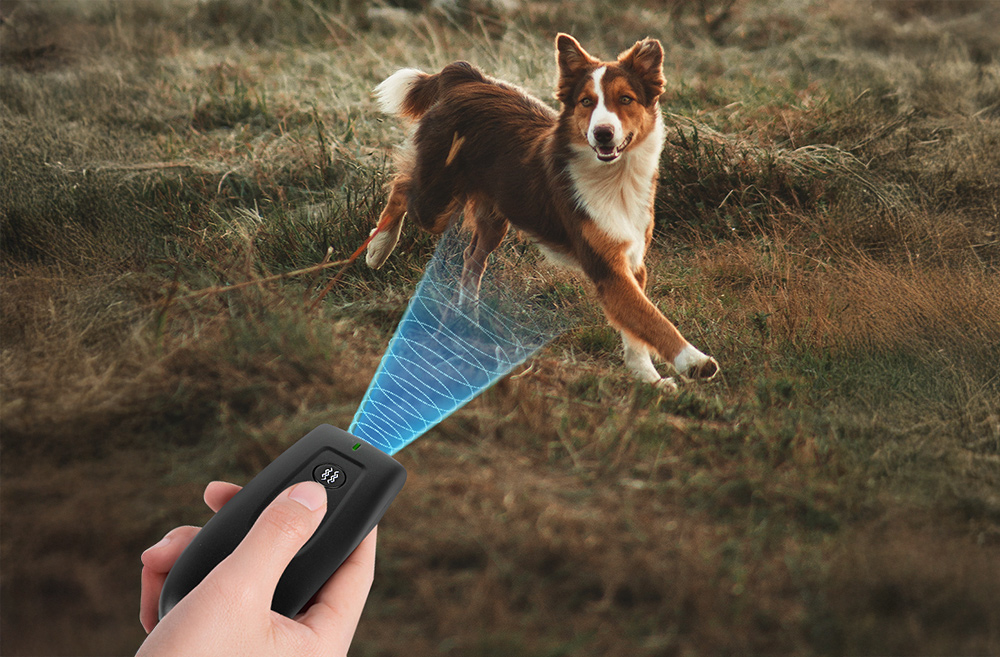
Generally, most veterinary behaviorists do not recommend ultrasonic bark devices for daily, long-term pet training due to anxiety risks and its nature as an aversive method. However, vets agree their recommendation depends heavily on the context.
Do Vets Recommend Ultrasonic Bark Stoppers?
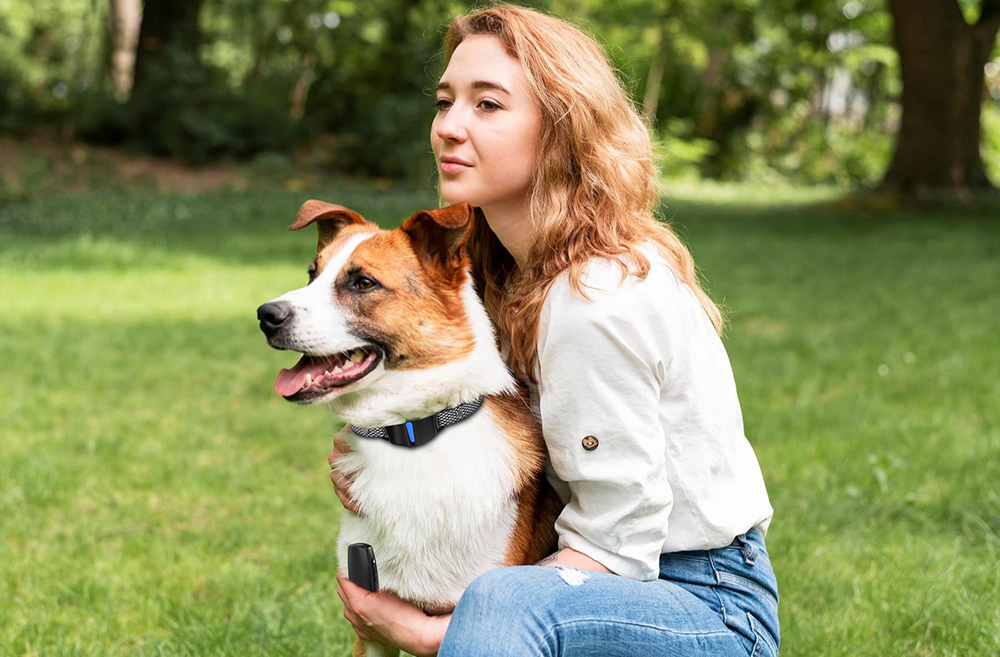
This guide breaks down the four most effective dog barking training tool types, explains how to use them, and helps you pick the right fit for your dog.
What Dog Training Tools Help with Barking?

SEND MESSAGE
