
How to Train a Dog to Stop Barking: A Guide to Humane Tools and Techniques
author: Matthew TIZE
2025-02-14
Excessive barking is a common challenge for dog owners. While barking is a natural form of communication for dogs, constant noise can disrupt households, strain neighborly relationships, and even indicate underlying anxiety in your pet.
If you’re struggling to stop your dog barking, modern tools like bark collars and dog training collars can provide effective solutions when combined with positive reinforcement. In this guide, we’ll explore how these devices work, their types, and how to use them responsibly to address the question: how to stop a dog barking without compromising your pet’s well-being?

Understanding Barking Triggers
Before diving into training tools, it’s crucial to identify why your dog is barking. Common triggers include:
- Boredom or loneliness
- Territorial behavior (e.g., reacting to strangers or other animals)
- Separation anxiety
- Attention-seeking
Addressing the root cause is essential for long-term success. For example, a dog barking due to separation anxiety may need environmental enrichment (toys, puzzles) alongside training tools, while territorial barking might require desensitization exercises.
---
How Bark Collars and Training Collars Work
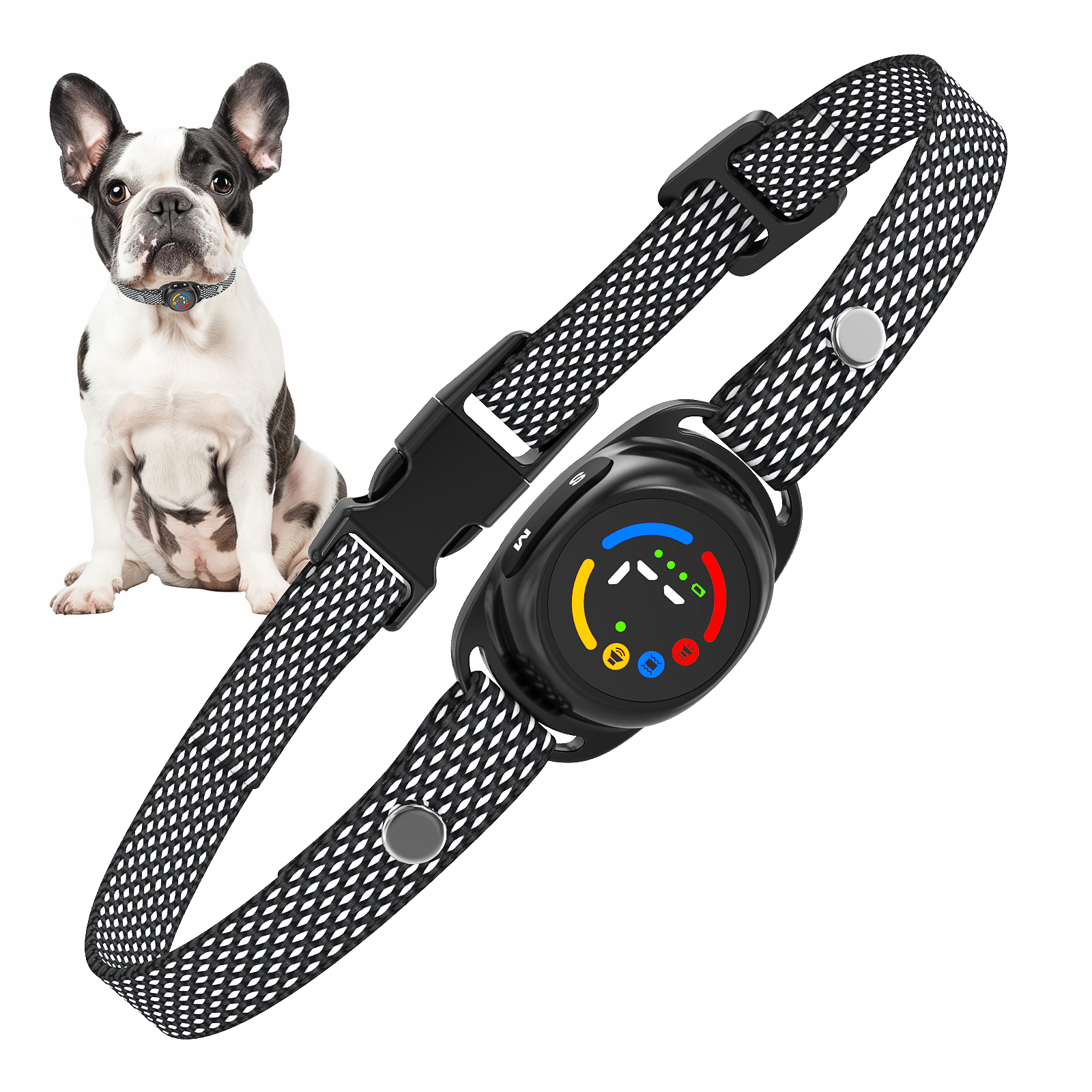
These devices are designed to interrupt unwanted behavior through gentle corrections, helping dogs associate excessive barking with an undesirable stimulus. Modern collars prioritize safety and adaptability, offering multiple modes to suit different temperaments. Below are the most common types:
1. Ultrasonic Bark Collars
- Function: Emits a high-frequency sound (inaudible to humans) when the dog barks.
- How It Works: The sound startles the dog, diverting their attention from barking. Over time, they learn that barking triggers the noise.
- Best For: Sensitive dogs or households needing a noise-free solution.
2. Vibration Collars
- Function: Delivers a gentle vibration when barking is detected.
- How It Works: The vibration mimics a tactile correction, similar to a light tap on the shoulder. Many collars allow adjustable intensity levels.
- Best For: Dogs unresponsive to sound-based cues or those with hearing impairments.
3. Spray Collars
- Function: Releases a burst of citronella or unscented spray.
- How It Works: The sudden scent or mist interrupts barking. Citronella is safe but unpleasant for dogs, creating a negative association with excessive noise.
- Best For: Dogs motivated by scent or owners preferring non-electronic tools.
4. Static Stimulation Collars
- Function: Offers a mild static pulse (often compared to a static shock from clothing).
- How It Works: Modern versions include safety features like automatic shut-offs and adjustable intensity. The stimulus is brief and harmless but effective at redirecting focus.
- Best For: Stubborn dogs or persistent barking cases. Always consult a trainer before use.


Choosing the Right Tool for Your Dog
Not all collars suit every dog. Consider these factors:
- Temperament: Anxious dogs may respond better to ultrasonic or spray collars, while confident breeds might need vibration or static stimulation.
- Size: Ensure the collar fits snugly but comfortably.
- Adjustability: Look for collars with customizable sensitivity and correction levels.
Pro Tip: Pair the collar with positive reinforcement. Reward your dog with treats or praise when they stop barking after a correction. This reinforces calm behavior.
---
How to Train a Dog to Stop Barking Responsibly
While tools like bark collars are effective, they’re not standalone solutions. Follow these steps for lasting results:
1. Identify Triggers: Observe when and why your dog barks. Use a journal to track patterns.
2. Introduce the Collar Gradually: Let your dog wear it without activation first to avoid stress.
3. Start with Low Intensity: Begin at the mildest correction level and increase only if necessary.
4. Combine with Commands: Use cues like “quiet” or “enough” as the collar corrects. Over time, your dog will respond to the command alone.
5. Phase Out the Collar: Once barking reduces, use the collar intermittently while reinforcing good behavior with treats.

Ethical Considerations
Critics argue that training collars can cause fear or confusion. To mitigate this:
- Avoid Overuse: Never leave the collar on for more than 12 hours a day.
- Prioritize Positive Reinforcement: Use corrections sparingly; rewards should outweigh punishments.
- Consult a Professional: If barking persists, seek help from a certified dog trainer or behaviorist.
---
Final Thoughts: Balancing Technology and Compassion
Learning how to stop a dog barking requires patience and the right tools. Bark collars and training collars can be humane aids when used thoughtfully, but they work best as part of a broader training strategy.
By understanding your dog’s needs and pairing technology with empathy, you’ll foster a quieter, happier home for both you and your furry companion.
Remember: The goal isn’t to eliminate barking entirely—it’s to teach your dog when silence is golden.
Do Anti-Bark Collars Work? A Balanced Look at Effectiveness and Safety
What Is The Most Effective Device To Stop Dog Barking?
Related Article
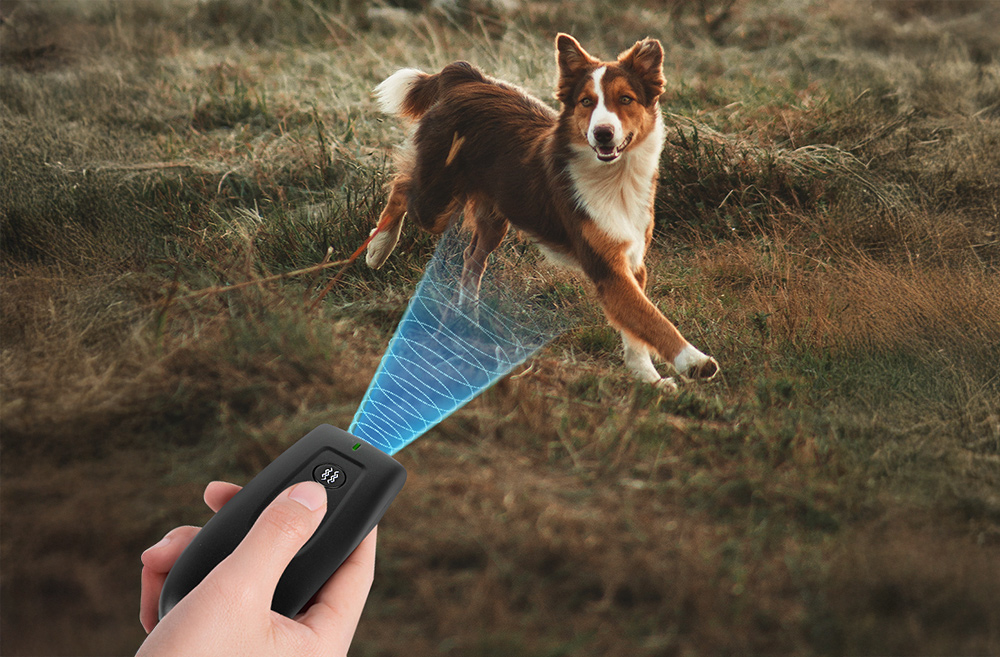
Generally, most veterinary behaviorists do not recommend ultrasonic bark devices for daily, long-term pet training due to anxiety risks and its nature as an aversive method. However, vets agree their recommendation depends heavily on the context.
Do Vets Recommend Ultrasonic Bark Stoppers?
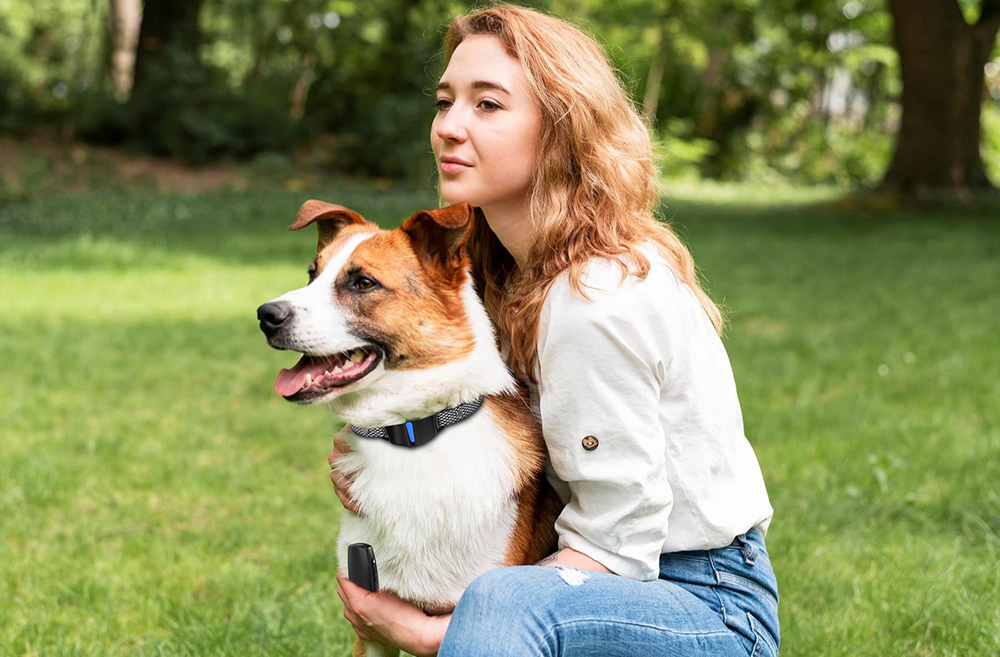
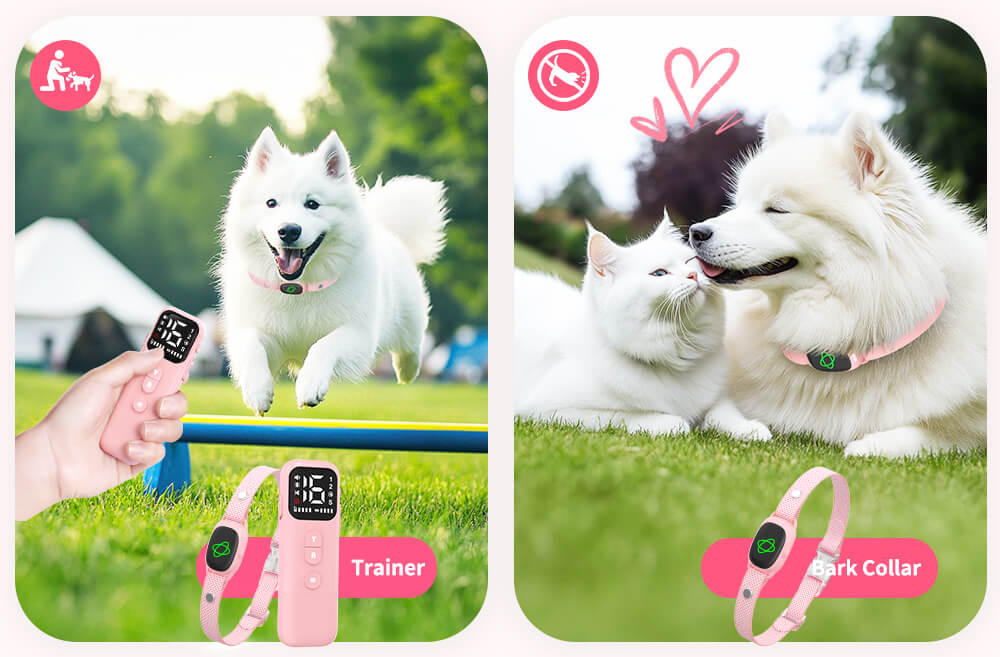
This guide breaks down the four most effective dog barking training tool types, explains how to use them, and helps you pick the right fit for your dog.
What Dog Training Tools Help with Barking?

SEND MESSAGE
