
What Is The Most Effective Device To Stop Dog Barking?
author: Matthew TIZE
2025-02-14
If you’re a dog owner, you know that barking is a natural form of communication for your furry companion. However, excessive barking can disrupt your household, annoy neighbors, and even indicate underlying anxiety or boredom in your pet. While training and behavioral adjustments are essential, many owners seek practical tools to address persistent barking. Among the solutions available, bark collars have emerged as one of the most effective devices for managing this behavior. In this article, we’ll explore how bark collars work, their types, and how they can help you answer the age-old question: how to get your dog to stop barking.

Understanding Bark Collars: Types and Mechanisms
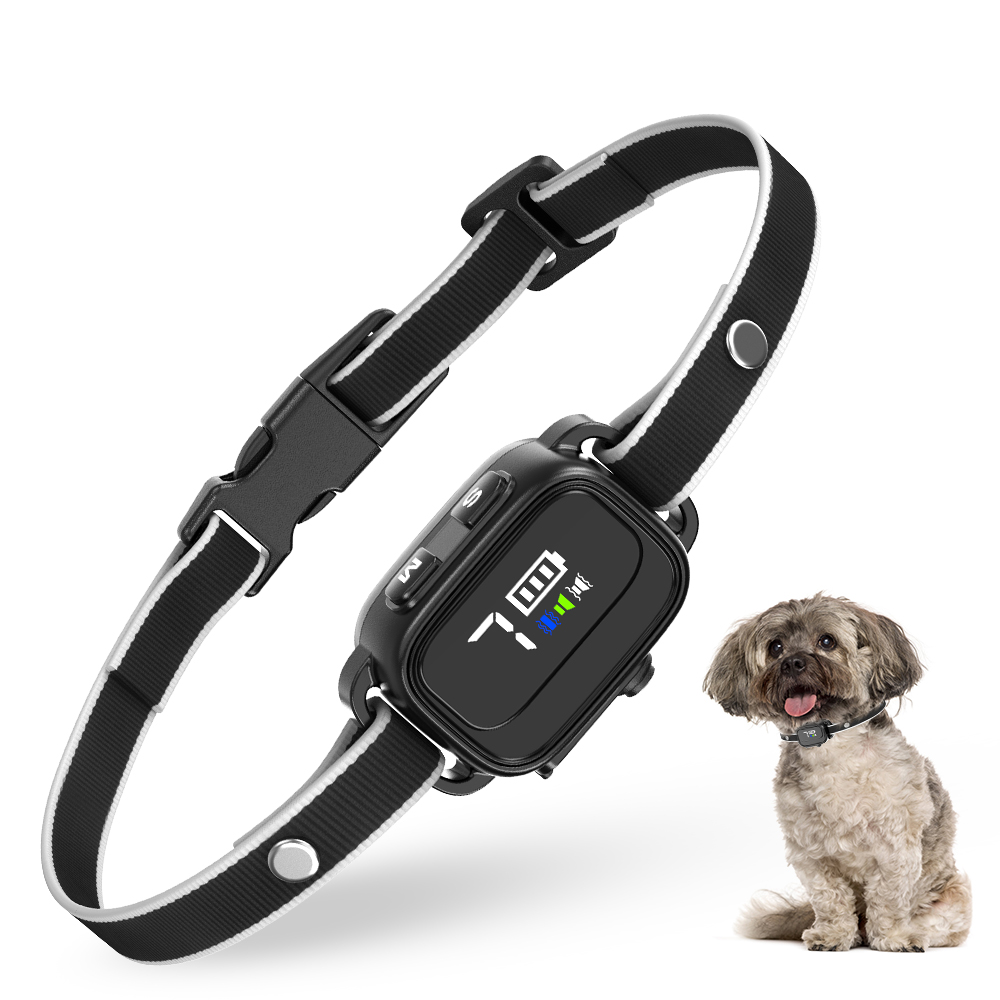
Bark collars are wearable devices designed to interrupt or discourage barking through gentle corrective stimuli. They’re not a replacement for training but rather a supplementary tool to reinforce quiet behavior. Below are the most common types:
1. Ultrasonic Bark Collars
These collars emit a high-pitched sound (inaudible to humans) when the dog barks. The sudden noise distracts the dog, breaking the barking cycle. Ultrasonic collars are ideal for sensitive dogs, as they avoid physical contact. However, their effectiveness depends on the dog’s responsiveness to sound.
2. Vibration Bark Collars
Using motion sensors, these collars detect vocal cord vibrations and respond with a gentle buzz. The vibration mimics a corrective nudge, similar to how a mother dog might discipline her puppies. This method is popular for its humane approach and works well for dogs that react to tactile feedback.
3. Spray Bark Collars
These release a burst of citronella or unscented mist when barking is detected. The surprise spray redirects the dog’s attention without causing harm. Spray collars are often favored for their non-invasive nature, though they may require frequent refills.
4. Static Stimulation (Shock) Bark Collars
Often misunderstood, modern static collars deliver a mild, adjustable tingling sensation—comparable to a static shock from touching a doorknob. Many models include safety features like automatic shut-offs to prevent overuse. These collars suit stubborn barkers but should be used cautiously under professional guidance.

How Do Bark Collars Help Stop Dog From Barking?
The key to a bark collar’s success lies in its ability to provide immediate feedback. Dogs associate their barking with the corrective stimulus, which discourages repetition. However, effectiveness depends on proper usage:
- Smart Sensors: Advanced collars differentiate between barks and other noises (e.g., other dogs or ambient sounds), reducing false triggers.
- Adjustable Intensity: Most devices let owners customize the stimulus level to match the dog’s size and temperament.
- Progressive Modes: Some collars start with a warning (e.g., a beep) before escalating to stronger stimuli, encouraging learning without stress.
For owners wondering how to stop your dog from barking, bark collars offer consistency—a critical factor in behavior modification. Unlike verbal commands, which can vary in tone and timing, collars respond instantly every time the dog barks.
---
Combining Bark Collars with Positive Reinforcement
While bark collars can be powerful tools, they work best when paired with positive reinforcement training. Here’s how to integrate both approaches:
1. Identify Triggers: Is your dog barking at strangers, boredom, or separation anxiety? Address the root cause first.
2. Reward Quiet Moments: When the collar deters barking, immediately praise your dog or offer a treat to reinforce calm behavior.
3. Gradual Exposure: Use the collar during training sessions where triggers are present (e.g., doorbells or passing cars) to build long-term habits.
Remember, bark collars are not a “set it and forget it” solution. Regularly assess your dog’s progress and reduce collar dependency as they learn.

Addressing Concerns: Are Bark Collars Safe?
Critics often argue that bark collars are cruel, but modern designs prioritize safety and comfort:
- Auto-Shutoff: Many collars deactivate after 8–15 corrections to avoid overstimulation.
- Fit and Comfort: Adjustable straps and lightweight materials prevent chafing.
- Avoid Puppies and Anxious Dogs: Collars are not recommended for dogs under 6 months or those with severe anxiety—consult a vet or trainer first.
For ethical use, never leave a bark collar on for more than 12 hours, and always pair it with compassionate training methods.
---
Conclusion: A Balanced Approach to How to Stop Dog Barking
Excessive barking can strain the bond between you and your pet, but solutions exist. Bark collars, when chosen and used responsibly, offer a humane way to curb nuisance barking while supporting long-term behavioral change. Whether you opt for ultrasonic, vibration, or spray technology, prioritize your dog’s comfort and combine the collar with positive reinforcement.
By understanding how to get your dog to stop barking, you’re not just restoring peace—you’re fostering a happier, healthier relationship with your four-legged friend.
How to Train a Dog to Stop Barking: A Guide to Humane Tools and Techniques
What Is A Bark Collar? A Comprehensive Guide for Pet Owners
Related Article
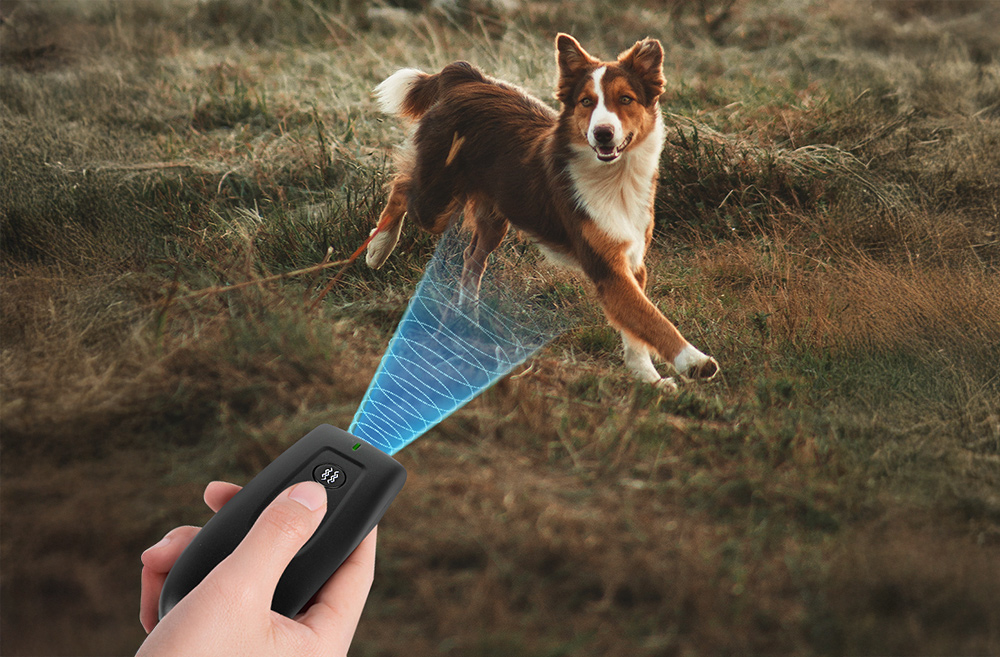
Generally, most veterinary behaviorists do not recommend ultrasonic bark devices for daily, long-term pet training due to anxiety risks and its nature as an aversive method. However, vets agree their recommendation depends heavily on the context.
Do Vets Recommend Ultrasonic Bark Stoppers?
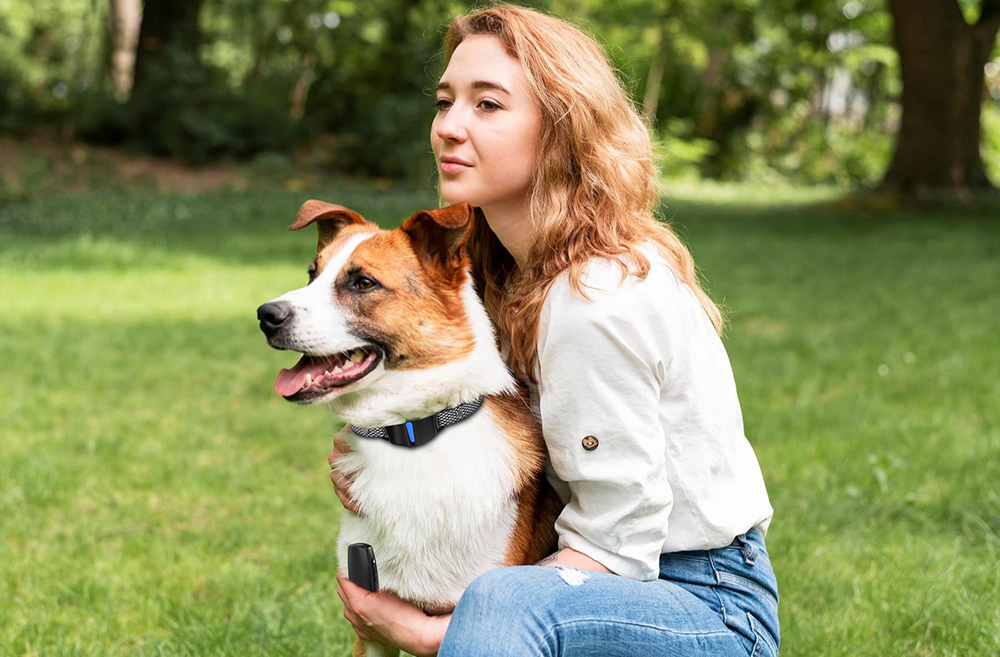
This guide breaks down the four most effective dog barking training tool types, explains how to use them, and helps you pick the right fit for your dog.
What Dog Training Tools Help with Barking?

SEND MESSAGE
