
Do Anti-Bark Collars Work? A Balanced Look at Effectiveness and Safety
author: Matthew TIZE
2025-02-17
Excessive barking is a common challenge for dog owners. While barking is a natural form of communication for dogs, it can become disruptive—whether you’re dealing with a territorial small breed or a vocal large dog. This has led many pet parents to explore solutions like anti-bark collars. But do these devices actually work? And perhaps more importantly, does a bark collar hurt a dog? Let’s dive into the science, mechanics, and ethical considerations to help you make an informed decision.

Understanding How Anti-Bark Collars Work
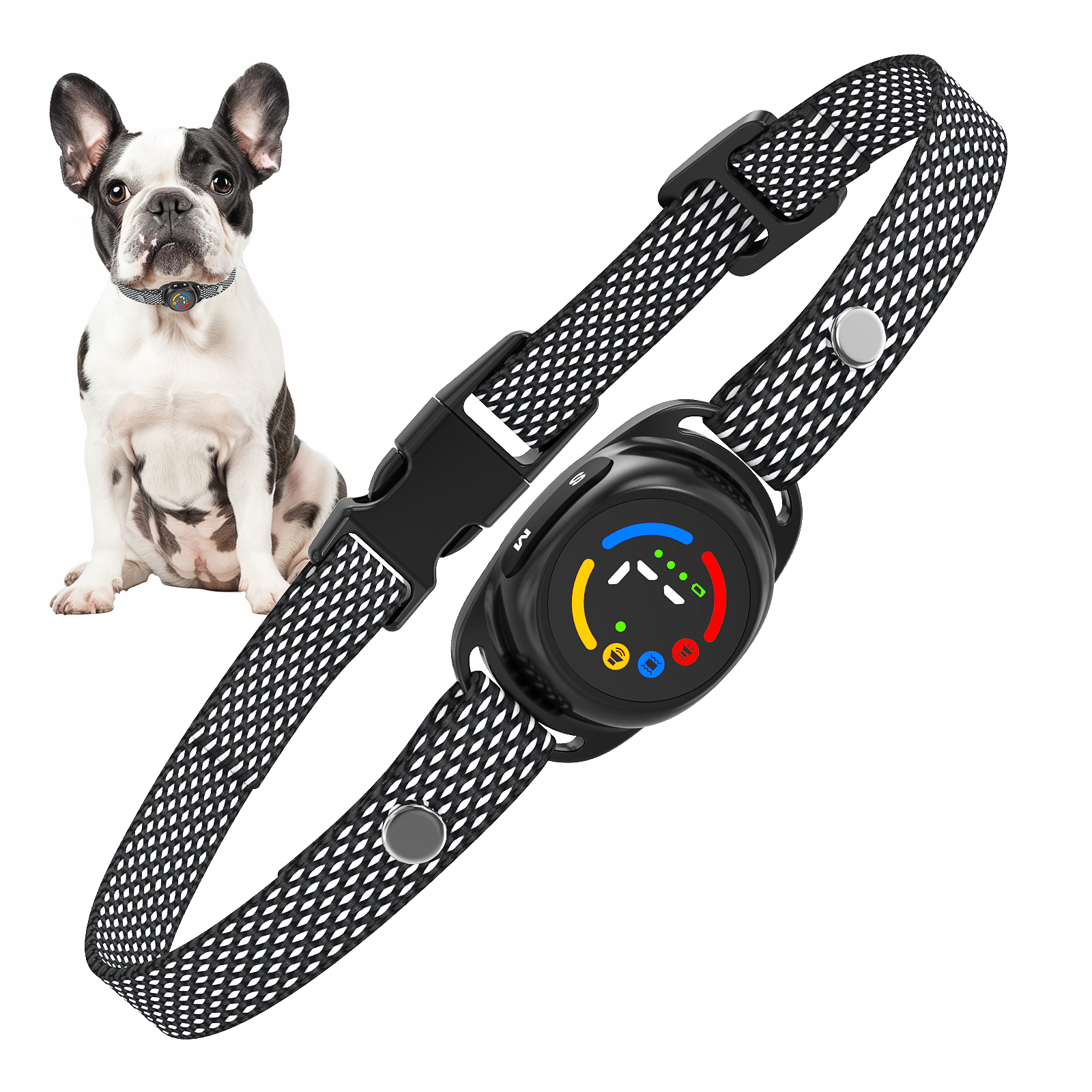
Before evaluating their effectiveness, it’s essential to answer the question: how does a barking collar work? Anti-bark collars are designed to interrupt or discourage barking through various stimuli. There are three primary types:
1. Ultrasonic Collars: Emit a high-pitched sound (inaudible to humans) when barking is detected.
2. Vibration Collars: Deliver a gentle buzz or vibration to startle the dog.
3. Static Stimulation Collars: Administer a mild electric pulse, often adjustable in intensity.
4. Spray Collars: Release a burst of citronella or unscented spray near the dog’s face.
Most collars activate automatically via built-in microphones or vibration sensors that detect barking. The goal is to create a negative association with excessive vocalization, encouraging the dog to stop. However, effectiveness varies depending on the dog’s temperament, the root cause of barking (e.g., anxiety vs. boredom), and the collar type.

Do Anti-Bark Collars Deliver Results?
Studies and anecdotal evidence suggest mixed outcomes. For example, a 2010 research paper in the Journal of Veterinary Behavior found citronella spray collars reduced barking by 78% in tested dogs, while static collars showed similar results. However, critics argue that collars address symptoms—not the underlying cause—of barking.
Key factors influencing effectiveness:
- Consistency: Collars must be used every time barking occurs to reinforce the lesson.
- Training Pairing: Combining collar use with positive reinforcement (e.g., rewarding quiet behavior) improves outcomes.
- Breed and Size: Smaller dogs may respond better to milder stimuli, which is why choosing an anti bark collar for small dogs designed with gentler settings is crucial.
That said, collars are not a one-size-fits-all solution. Dogs with separation anxiety or fear-based barking may become more stressed if the collar’s correction isn’t paired with behavioral therapy.
---
Safety First: Does a Bark Collar Hurt a Dog?
The ethical debate around anti-bark collars often centers on discomfort. So, does a bark collar hurt a dog? The answer depends on the device and its use:
- Ultrasonic and Spray Collars: Generally considered pain-free, though some dogs may find the noise or spray startling.
- Vibration Collars: Typically safe but should be tested at the lowest setting first.
- Static Collars: Controversial due to potential misuse. When used correctly (with adjustable, low-intensity shocks), most dogs feel a mild tingling sensation—not pain. However, prolonged use or high settings can cause distress.
Safety Tips:
- Avoid cheap, unregulated collars with unreliable sensors.
- Never leave a collar on for more than 8–12 hours daily.
- Consult a veterinarian or trainer before using static collars for anxious or senior dogs.

Special Considerations: Anti Bark Collar for Small Dogs
Small breeds like Chihuahuas, Pomeranians, and Dachshunds are prone to frequent barking due to their alert nature. However, their petite size and sensitivity mean owners must exercise extra caution. An *anti bark collar for small dogs* should prioritize humane features:
- Lightweight Design: Bulky collars can strain delicate necks.
- Adjustable Stimuli: Opt for collars with multiple correction modes (e.g., sound → vibration → spray escalation).
- Battery Life: Smaller dogs may need longer training periods, so choose collars with reliable battery performance.
For petite breeds, spray or ultrasonic collars are often recommended over static options. Always monitor your dog’s reaction during initial use.
---
Alternatives to Anti-Bark Collars
If you’re hesitant about collars, consider these methods:
- Training: Teach “quiet” commands using treats and praise.
- Environmental Enrichment: Reduce boredom with puzzle toys or increased exercise.
- Desensitization: Gradually expose your dog to triggers (e.g., doorbells) while rewarding calm behavior.
---
The Verdict
Anti-bark collars can work when used responsibly as part of a broader training plan. However, their success hinges on selecting the right type for your dog’s size, temperament, and needs—especially when choosing an anti bark collar for small dogs. Always prioritize your pet’s well-being by avoiding excessive stimuli and pairing collar use with positive reinforcement.
Remember, no tool replaces understanding why your dog is barking. Whether it’s loneliness, fear, or excitement, addressing the root cause will lead to happier, quieter outcomes for both you and your furry friend.
Do Ultrasonic Dog Repellers Work For Barking?
How to Train a Dog to Stop Barking: A Guide to Humane Tools and Techniques
Related Article
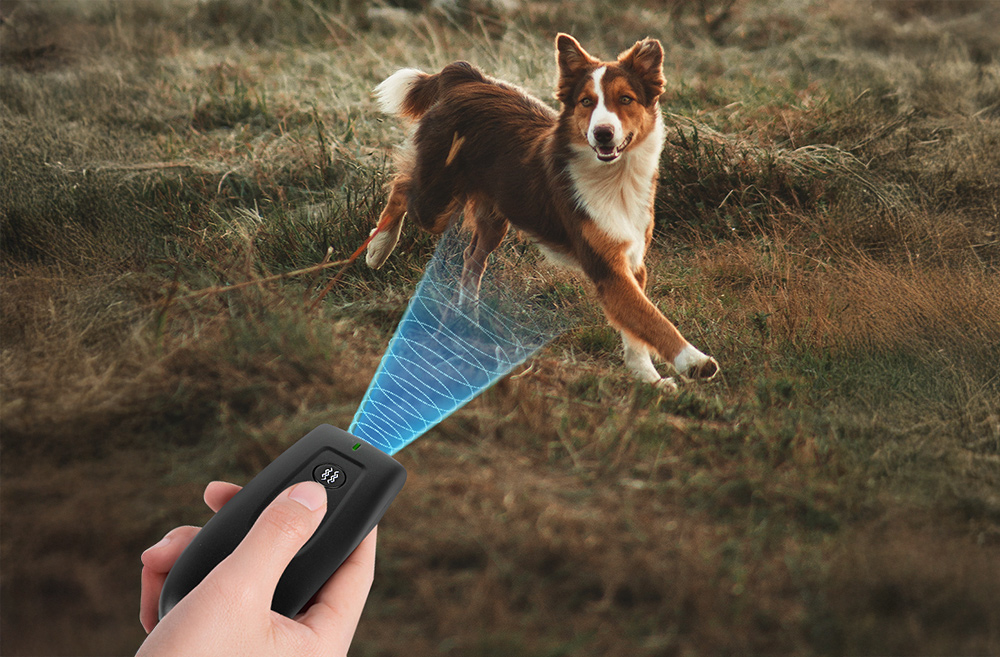
Generally, most veterinary behaviorists do not recommend ultrasonic bark devices for daily, long-term pet training due to anxiety risks and its nature as an aversive method. However, vets agree their recommendation depends heavily on the context.
Do Vets Recommend Ultrasonic Bark Stoppers?
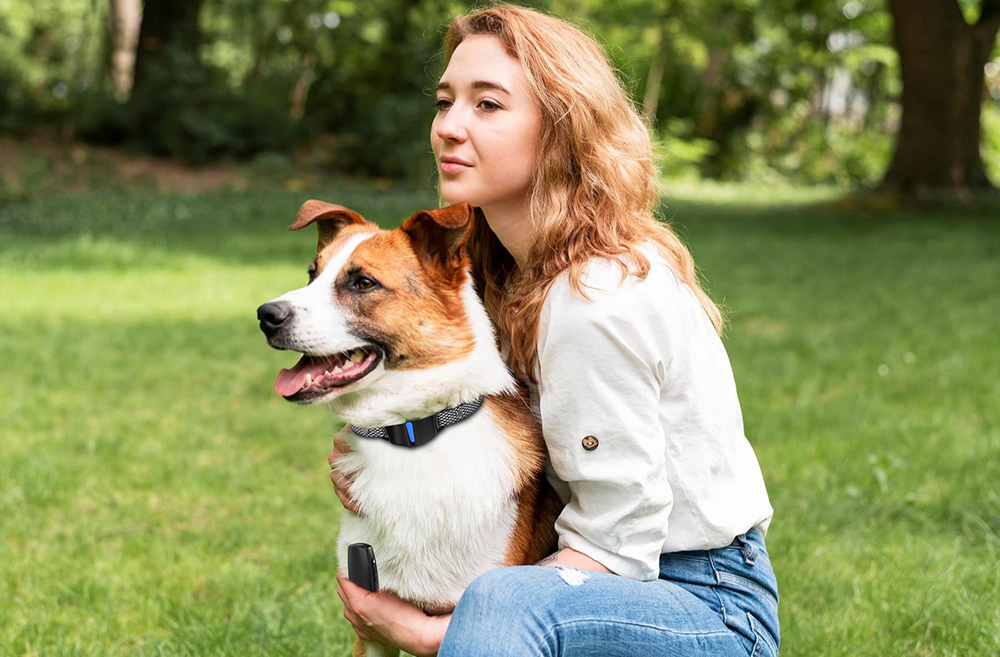
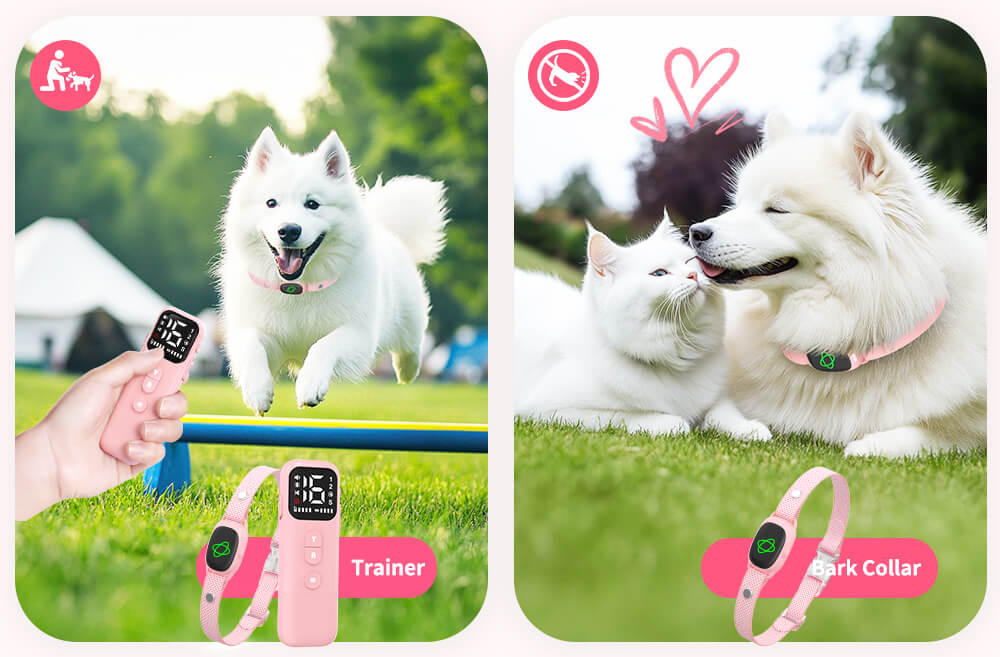
This guide breaks down the four most effective dog barking training tool types, explains how to use them, and helps you pick the right fit for your dog.
What Dog Training Tools Help with Barking?

SEND MESSAGE
