
How Do You Install a Wireless Dog Fence? A Step-by-Step Guide for Pet Owners
author: Matthew TIZE
2025-02-25
If you’re a dog owner looking for a safe and effective way to keep your furry friend within boundaries without the hassle of traditional fencing, an invisible wireless dog fence might be the perfect solution. Unlike physical fences, these systems use technology to create a customizable containment area, allowing your dog to roam freely while staying safe. But how exactly does it work, and what does wireless dog fence installation entail? In this guide, we’ll break down everything you need to know about setting up this innovative system.
---
What Is an Invisible Wireless Dog Fence?
An invisible wireless dog fence is a modern pet containment system that uses radio signals to establish a boundary for your dog. The system typically includes a central transmitter and a compatible receiver collar worn by your dog. When your pet approaches the set boundary, the collar emits a warning sound, followed by a mild static correction if they continue moving forward. Over time, most dogs learn to associate the signal with the boundary, staying safely within their designated area.
The key advantage of this system is its flexibility. Whether you live in a suburban home, a rural property, or even an apartment with a yard, an invisible dog fence installation can adapt to your space without the need for digging, wiring, or permanent structures.
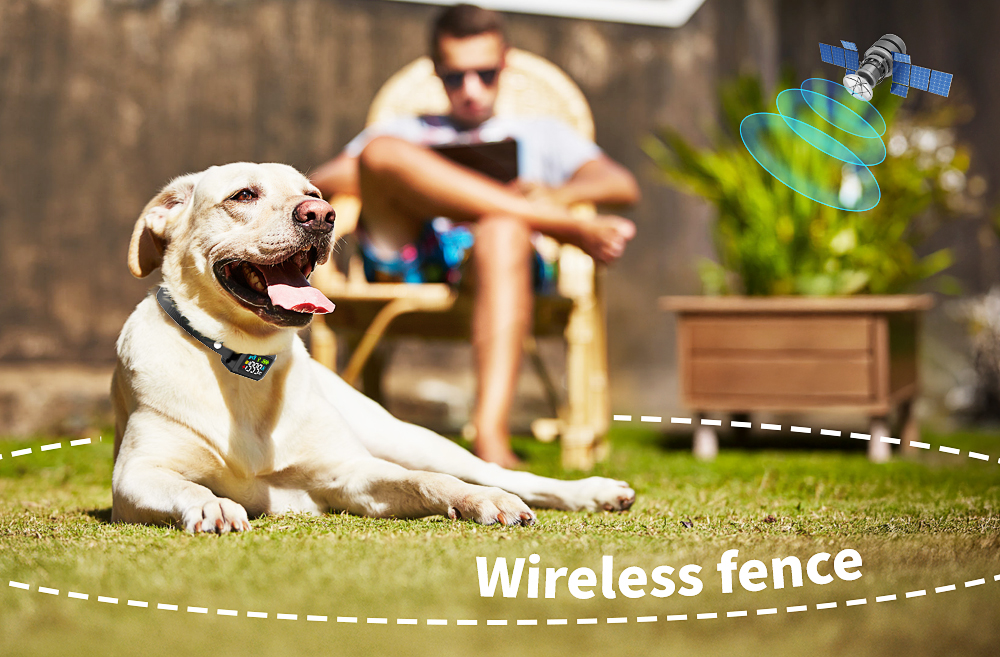
Preparing for Wireless Dog Fence Installation
Before diving into the setup process, it’s important to gather the right tools and plan your layout:
1. Choose the Right System: Ensure your kit includes a transmitter, receiver collar, boundary flags, and a user manual.
2. Map Your Space: Decide where you want the boundary to be. Most systems cover circular areas up to 1-2 acres, depending on the model.
3. Charge the Collar: Fully charge the receiver collar to ensure it’s ready for training.
4. Clear Obstacles: Remove large metal objects or electronic devices near the transmitter, as these can interfere with the signal.
Step-by-Step Invisible Dog Fence Installation Guide
Follow these steps to set up your system efficiently:
Step 1: Position the Transmitter
Place the transmitter in a central, elevated location indoors, such as a garage or basement. Avoid areas with thick walls or metal surfaces, as these can block signals. Plug the transmitter into a power outlet and turn it on.
Step 2: Set the Boundary Range
Most transmitters have a dial or digital interface to adjust the boundary radius. Start with a smaller range (e.g., 10–20 feet) and test the signal strength before expanding.
Step 3: Mark the Boundary with Flags
Use the included boundary flags to visually outline the perimeter. This helps during training and ensures your dog recognizes the limits.
Step 4: Test the Signal
Walk around the boundary with the receiver collar in hand. Listen for the warning beep and note where the static correction activates. Adjust the transmitter’s range if needed.
Step 5: Train Your Dog
Introduce your dog to the system gradually:
- Let them explore while wearing the collar (with corrections turned off).
- Walk them near the flags on a leash, rewarding them for retreating when they hear the beep.
- Over 1–2 weeks, increase off-leash time as they learn the boundaries.
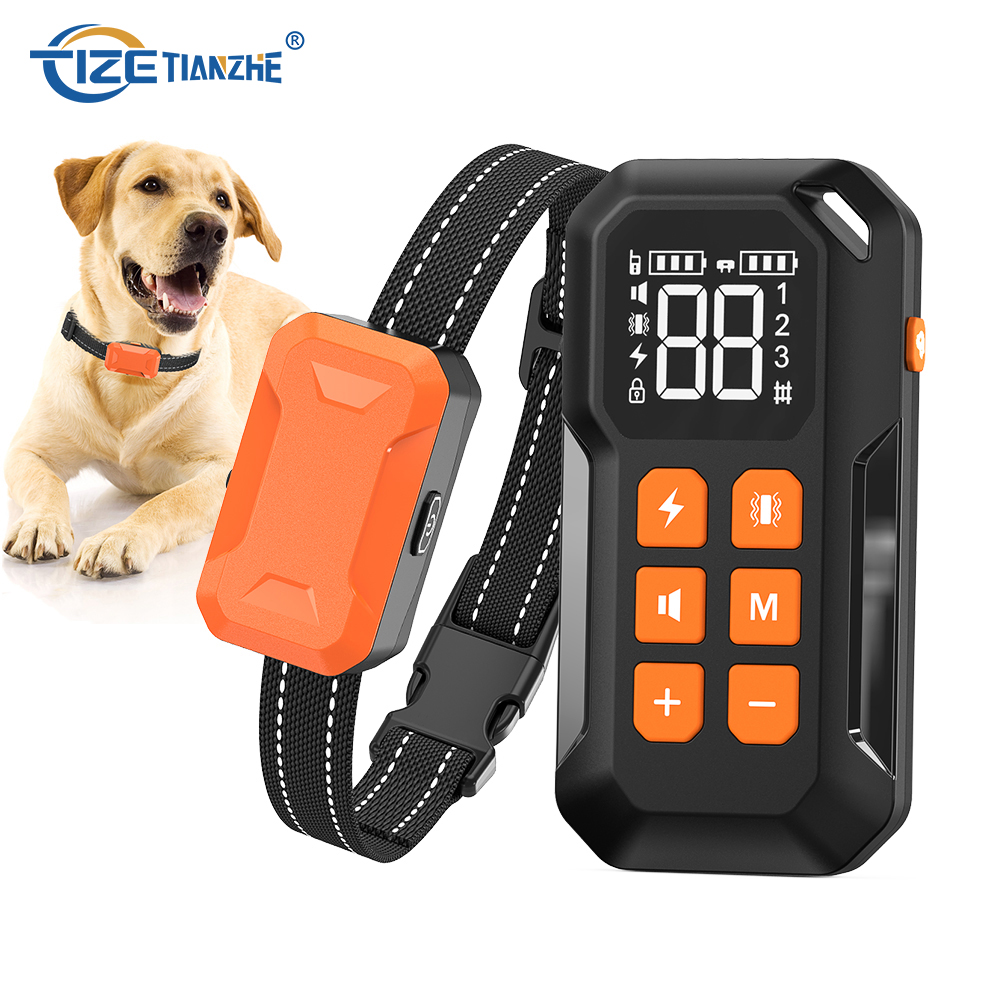

Tips for a Successful Wireless Dog Fence Installation
1. Avoid Signal Interference: Keep the transmitter away from Wi-Fi routers, microwaves, or large appliances.
2. Check Batteries Regularly: Replace collar batteries every 2–3 months to maintain reliability.
3. Combine with Training: Pair the system with positive reinforcement for faster results.
4. Adjust for Multiple Dogs: Some collars support multiple pets—just ensure each dog has its own receiver.
---
Common Questions About Invisible Dog Fence Installation
Q: How long does installation take?
A: Setting up the hardware takes under an hour, but training your dog may require 1–2 weeks.
Q: Will it work for all dog breeds?
A: Most breeds adapt well, but consult your vet if your dog has health conditions or anxiety.
Q: Can I expand the boundary later?
A: Many systems allow range adjustments, but check your model’s specifications.
---
Conclusion
An invisible wireless dog fence offers a practical, cost-effective way to give your pet freedom while keeping them secure. By following these wireless dog fence installation steps and dedicating time to training, you’ll create a safe environment tailored to your dog’s needs. Whether you’re protecting a garden, pool, or driveway, this system blends technology and convenience to redefine pet ownership.
Ready to try it? Share your invisible dog fence installation journey with fellow pet lovers and enjoy peace of mind knowing your pup stays safe—no bulky fences required!
How Do You Install an In-Ground Dog Fence? A Step-by-Step Guide for Pet Owners
Why Do Dogs Bark at Night? Understanding and Managing Nocturnal Behavior
Related Article
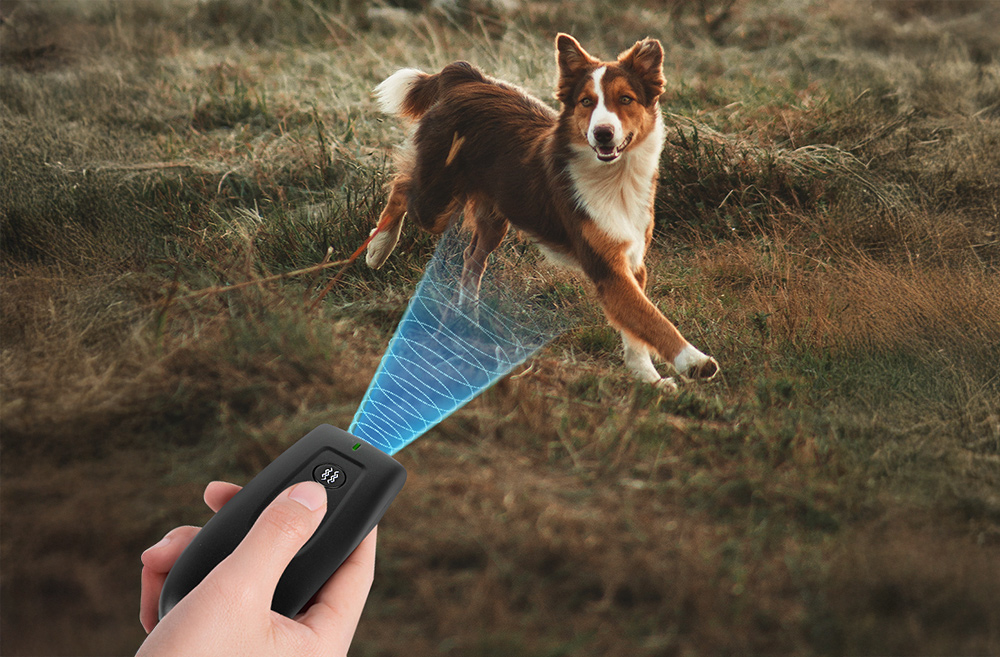
Generally, most veterinary behaviorists do not recommend ultrasonic bark devices for daily, long-term pet training due to anxiety risks and its nature as an aversive method. However, vets agree their recommendation depends heavily on the context.
Do Vets Recommend Ultrasonic Bark Stoppers?
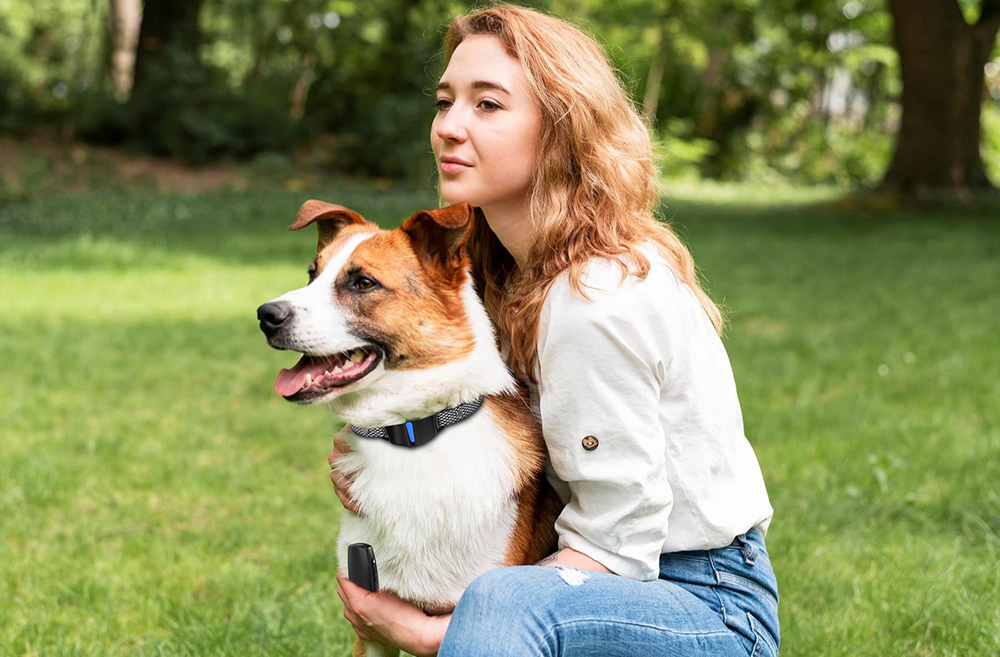
This guide breaks down the four most effective dog barking training tool types, explains how to use them, and helps you pick the right fit for your dog.
What Dog Training Tools Help with Barking?


SEND MESSAGE
