
How Do Underground Fences Work? A Comprehensive Guide for Pet Owners
author: Matthew TIZE
2025-02-24
If you’re a dog owner struggling to keep your furry friend safely within your yard without relying on unsightly barriers or constant supervision, an underground dog fence might be the perfect solution. This innovative technology has gained popularity among pet parents who value both convenience and effectiveness. But how exactly does it work? Let’s dive into the world of underground fences, their functionality, and why they could be your next best investment.
---
What Is an Underground Fence?
An underground dog fence—also known as an electric containment system—is a low-visibility, buried barrier designed to keep dogs safely inside your property. Unlike traditional fences, which rely on physical barriers or tall walls, underground fences use a combination of electronic pulses and training to discourage your dog from crossing boundaries.
The system typically consists of three main components:
1. An Underground Cable: Installed around the perimeter of your yard, this wire emits a harmless, static electric signal.
2. A Control Unit: Attached to your home, this device sends signals to the cable and manages the intensity of the pulses.
3. A Collar with a Receiver: Your dog wears this collar, which detects the signal from the cable and delivers a gentle vibration or tone when nearing the boundary.
Underground fences are ideal for urban areas, backyards with irregular shapes, or properties where constructing a traditional fence isn’t feasible. They’re also a great option for renters who don’t want to make permanent changes to their living space.

How Do Underground Fences Work?
At first glance, underground fences may seem like magic, but their science is straightforward. Here’s a breakdown of their operation:
1. The Electric Signal System
When your dog approaches the buried cable, the receiver in their collar detects the signal emitted by the control unit. Depending on the system’s settings, your dog will experience:
- A Gentle Vibration: A subtle buzz to alert them to turn back.
- A Mild Static Shock: A short, painless jolt intended to discourage further movement.
- A Beeping Sound: A audible cue to reinforce the boundary.
Most modern systems allow owners to adjust the intensity of the signal to suit their dog’s temperament. For example, a sensitive breed might respond better to vibrations and sounds, while a more stubborn dog could benefit from stronger pulses.
2. Training Your Dog
For the underground fence to work effectively, training is essential. Start by teaching your dog to associate the signal with staying within bounds. When they approach the perimeter, reward them with treats or praise for turning back. Consistency is key—over time, your dog will learn to avoid crossing the "invisible" line.
3. Flexibility and Customization
Modern underground fences offer advanced features like GPS tracking, zone customization (to block specific areas like flower beds), and mobile connectivity via apps. Some models even integrate with smart home systems, allowing you to remotely monitor your dog’s location or receive alerts if they attempt to escape.
---
How to Install an Underground Dog Fence
Installing an underground dog fence is simpler than you might think, but it requires careful planning to ensure optimal performance. Here’s a step-by-step guide:
Step 1: Plan Your Boundary
Use a garden hose or stakes to mark the perimeter of your yard. Ensure the fence encloses all areas where your dog can roam freely. Avoid placing the cable near utilities, trees, or garden beds that require frequent digging.
Step 2: Dig and Lay the Cable
Follow the manufacturer’s instructions to bury the cable at least 6–12 inches below the ground. Keep it straight and secure it with plastic ties or clips to prevent damage. For lawns, consider using a lawn mower to smooth the soil afterward for minimal disruption.
Step 3: Connect the Control Unit and Collar
Attach the control unit to your home’s power supply and program it according to your preferences. Fit your dog’s collar snugly but comfortably, ensuring the receiver is properly aligned with the cable’s signal.
Step 4: Train Your Dog
As mentioned earlier, training is critical. Start indoors, gradually moving to the yard. Use positive reinforcement to reward your dog for staying within the designated area. Be patient—some dogs may take a few days to adapt.
Step 5: Test and Adjust
After installation, test the system by walking your dog near the boundary. If the signals aren’t strong enough, adjust the control unit’s settings. Always consult the manual for troubleshooting tips.


Pros and Cons of Underground Fences
Like any pet product, underground fences have advantages and drawbacks. Let’s weigh them:
Advantages:
- Low Maintenance: Buried cables require no upkeep compared to wooden or vinyl fences.
- Aesthetic Appeal: They blend seamlessly into your landscape, preserving your home’s curb appeal.
- Cost-Effective: While initial installation costs vary, underground fences often outperform traditional fencing over time due to reduced repair expenses.
- Weather Resistance: They’re unaffected by extreme temperatures, heavy rain, or snow.
Disadvantages:
- Installation Challenges: Digging around obstacles like trees or rocks can be time-consuming.
- Not Foolproof: Determined dogs may push through weak signals, especially if the system isn’t properly trained.
- Potential Health Concerns: Rare cases of skin irritation from collars or signal misalignment have been reported, though most modern systems are safe.
---
Who Should Consider an Underground Fence?
Underground fences are ideal for:
- Dogs That Bolt Out of Doors: Preventing escapes and traffic accidents.
- Aggressive Chewers: Eliminating the risk of destructive behavior near fences.
- Pet Parents Short on Time: Automated systems reduce the need for constant supervision.
- Rental Property Owners: No permanent modifications required.
However, they may not suit dogs with severe anxiety or phobias triggered by the collar’s signals. In such cases, consulting a professional trainer or vet is recommended.
---
Final Thoughts
An underground dog fence offers a humane, efficient way to protect your pet and property without sacrificing style or convenience. By combining cutting-edge technology with positive reinforcement training, this system empowers pets to explore safely while giving owners peace of mind.
If you’re ready to try one, research reputable brands, read reviews, and invest in a high-quality system tailored to your dog’s needs. With proper installation and training, your underground fence could become one of the best decisions you’ll ever make for your furry companion.
Need help choosing the right underground fence for your dog? Visit our website to explore our selection of reliable, customizable systems designed for pets of all sizes!
Why Do Dogs Bark at Night? Understanding and Managing Nocturnal Behavior
Do Ultrasonic Dog Repellers Really Work? A Comprehensive Guide
Related Article
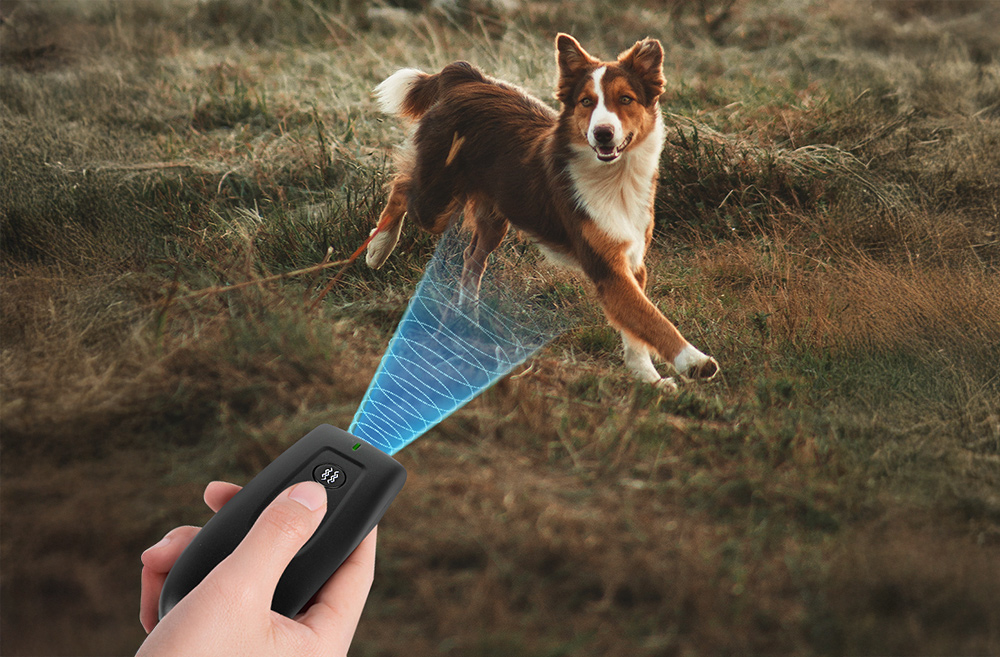
Generally, most veterinary behaviorists do not recommend ultrasonic bark devices for daily, long-term pet training due to anxiety risks and its nature as an aversive method. However, vets agree their recommendation depends heavily on the context.
Do Vets Recommend Ultrasonic Bark Stoppers?
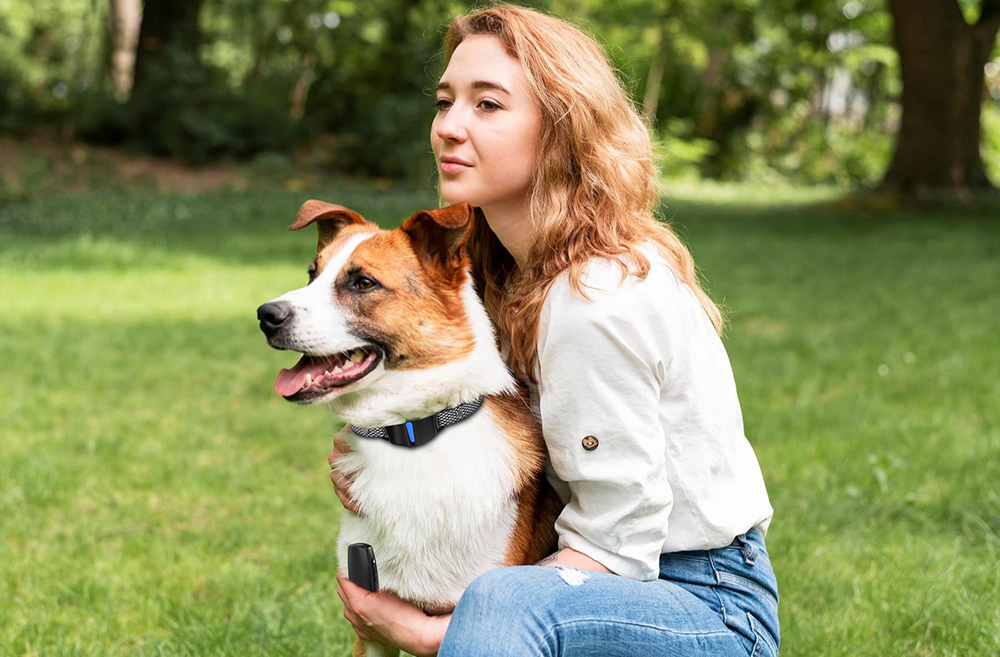
This guide breaks down the four most effective dog barking training tool types, explains how to use them, and helps you pick the right fit for your dog.
What Dog Training Tools Help with Barking?

SEND MESSAGE
