
How Do Ultrasonic Dog Repellers and Deterrents Work? A Comprehensive Guide
author: Matthew TIZE
2025-02-20
As pet owners or outdoor enthusiasts, encountering aggressive or stray dogs can be unsettling. While traditional methods like physical barriers or chemical sprays exist, technology has introduced a safer, non-invasive solution: ultrasonic dog repellers and deterrents. These devices have gained popularity for their humane approach to managing unwanted canine encounters. But how exactly do they work? Let’s dive into their mechanics, functionality, and the science behind their effectiveness.

Understanding Ultrasonic Technology
Ultrasonic dog repellers operate by emitting high-frequency sound waves, typically between 20 kHz and 45 kHz. These frequencies are beyond the range of human hearing (which caps at around 20 kHz) but fall within the sensitive auditory spectrum of dogs. Canines, with their superior hearing abilities, perceive these sounds as loud, sharp noises that cause discomfort or confusion. The goal isn’t to harm the animal but to startle or deter it, encouraging it to retreat.
This technology capitalizes on a dog’s natural instincts. When confronted with an unfamiliar, irritating sound, most dogs will pause, bark, or move away to avoid the stimulus. Modern devices are designed to balance effectiveness with ethical responsibility, ensuring no long-term harm to animals.
---
Core Features and Functionality
1. High Power Ultrasonic Dog Repeller
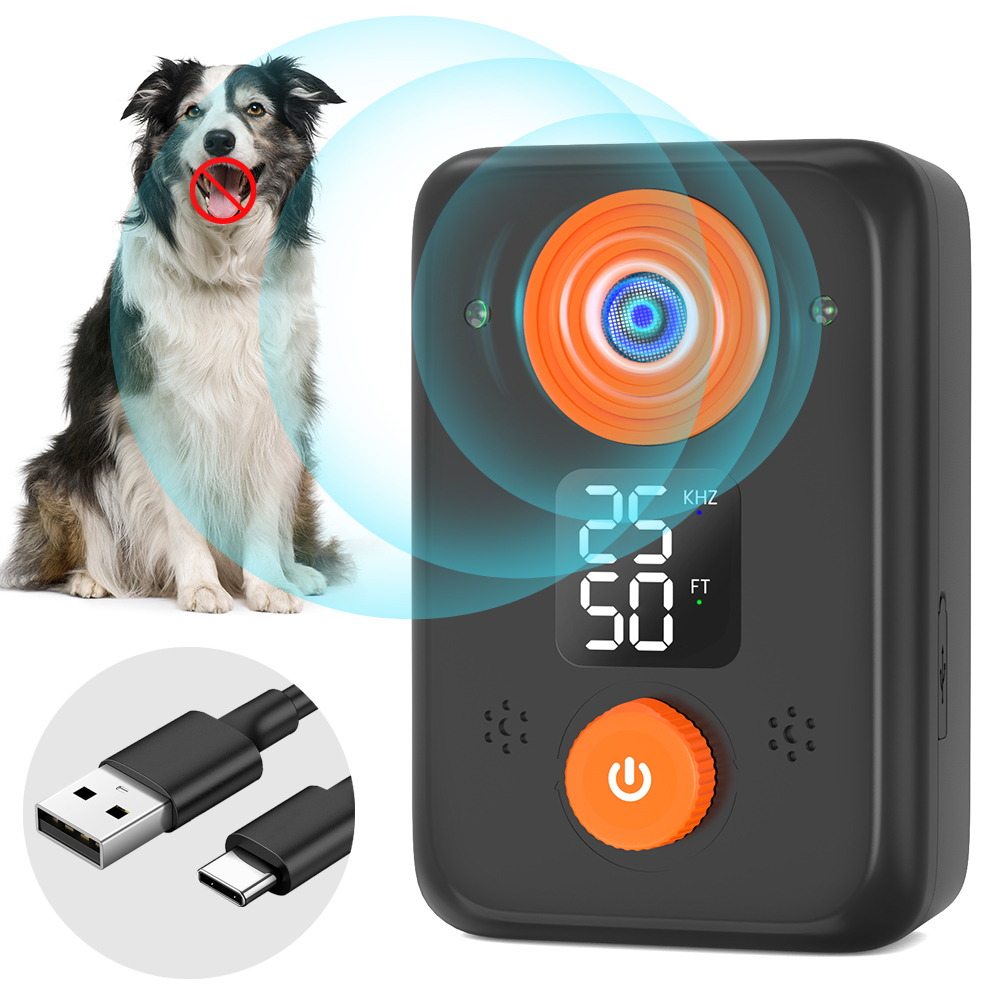
A high power ultrasonic dog repeller is engineered for maximum impact. These devices generate intense ultrasonic waves, ensuring the sound penetrates even noisy environments like busy streets or parks. They’re ideal for deterring persistent or aggressive dogs, as the higher decibel output creates a stronger aversive response. Many models include adjustable settings, allowing users to calibrate the intensity based on the situation—lower levels for curious pets, higher levels for threatening strays.
2. Long Range Ultrasonic Dog Repeller
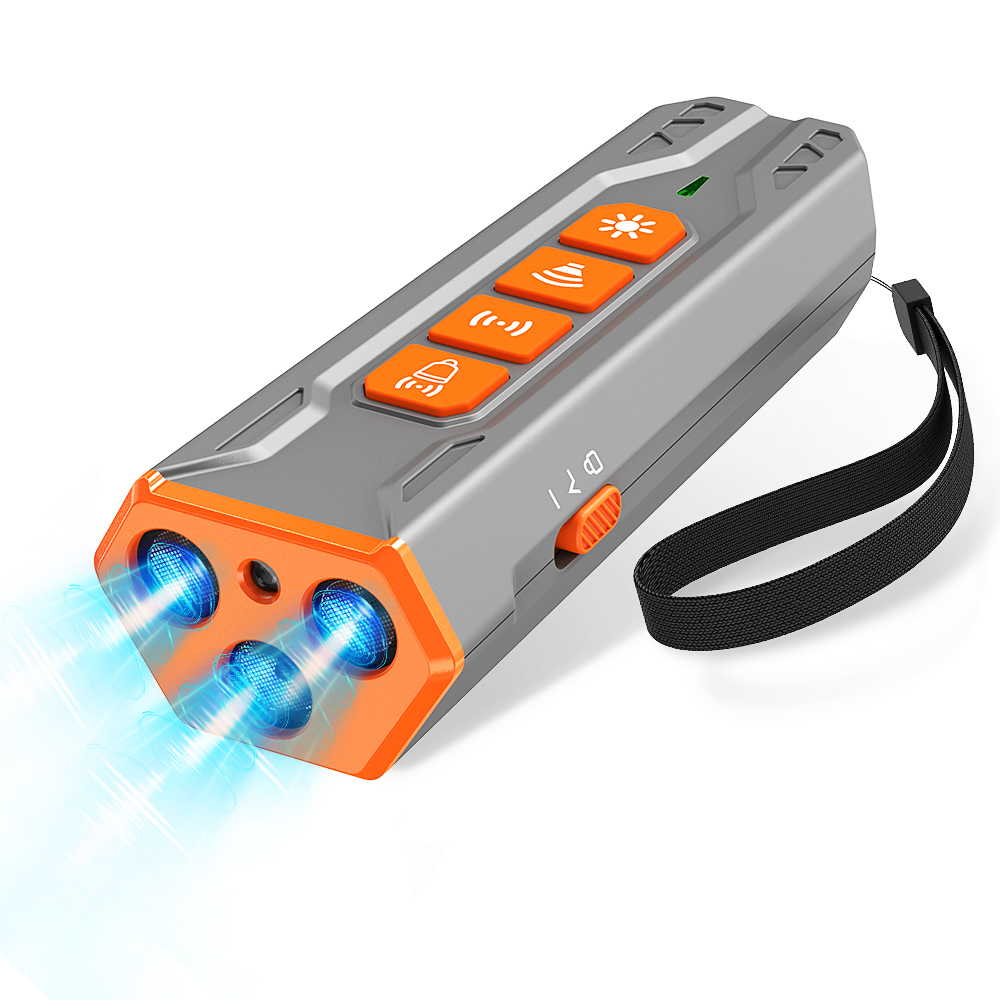
For scenarios where distance matters, a long range ultrasonic dog repeller shines. These devices can project ultrasonic waves up to 15–20 feet, making them perfect for joggers, cyclists, or property owners protecting large yards. The extended range ensures early intervention, giving users time to create space before a dog gets too close. Some advanced models even feature directional speakers to focus the sound waves precisely where needed.
3. Dog Repellent Ultrasonic Sound
The effectiveness of these devices hinges on the specific dog repellent ultrasonic sound they emit. Manufacturers often incorporate randomized frequency patterns to prevent dogs from habituating to the noise. A steady, unchanging tone might lose its deterrent effect over time, but unpredictable variations keep the sound startling and effective. Additionally, many devices pair ultrasonic emissions with flashing LED lights or audible alarms (like a whistle) for multi-sensory deterrence.
How These Devices Work in Practice
1. Activation Mechanism
Most ultrasonic repellers are activated via a button or motion sensor. When a dog approaches, the user presses the button to emit a burst of ultrasonic sound. Motion-activated models, often used for property protection, trigger automatically when movement is detected within their range.
2. Frequency Customization
Higher-end devices allow users to adjust frequencies. For example, smaller dogs may respond to lower frequencies (20–25 kHz), while larger breeds might require higher pitches (30–45 kHz). This adaptability ensures broader effectiveness across different breeds and temperaments.
3. Battery and Portability
Portable ultrasonic repellers are typically powered by rechargeable batteries or standard AA/AAA cells. Compact designs make them easy to carry during walks, hikes, or travel. Solar-powered variants are also available for outdoor installations like gardens or driveways.
---
Use Cases and Benefits
1. Personal Safety
Runners, mail carriers, and children walking to school can carry handheld repellers to deter approaching dogs without physical confrontation.
2. Property Protection
Installing a long range ultrasonic dog repeller in your yard prevents stray dogs from digging, barking, or leaving waste on your lawn. Unlike fences, these devices are invisible and maintenance-free.
3. Training Aid
Pet owners sometimes use low-intensity ultrasonic sounds to discourage unwanted behaviors like excessive barking. However, this requires careful use to avoid stressing the animal.
4. Humane and Eco-Friendly
Unlike chemical sprays or electric fences, ultrasonic repellers leave no environmental footprint and cause no pain. They’re a compassionate choice for animal lovers.

Limitations to Consider
While ultrasonic dog deterrents are innovative, they aren’t foolproof. Factors like a dog’s age (older dogs may have hearing loss), breed (some are less sound-sensitive), or extreme aggression can reduce effectiveness. Additionally, barriers like walls or loud ambient noise may interfere with the ultrasonic waves. For best results, pair these devices with common-sense precautions—avoiding known stray dog areas, staying calm during encounters, and seeking professional help for recurring issues.
---
Choosing the Right Device
When shopping for a high power ultrasonic dog repeller or a long range ultrasonic dog repeller, prioritize these features:
- Adjustable frequency and volume settings
- Waterproof or weather-resistant design (for outdoor use)
- Battery life and charging options
- Range specifications (10+ feet for personal use, 15–20 feet for property)
- Additional deterrents like strobe lights
Read reviews to gauge real-world performance, and opt for brands that offer warranties or customer support.
What is The Best Wireless Dog Fence? A Comprehensive Guide for Pet Owners
Do Ultrasonic Dog Repellers Hurt Dogs? A Balanced Look at Safety and Effectiveness
Related Article
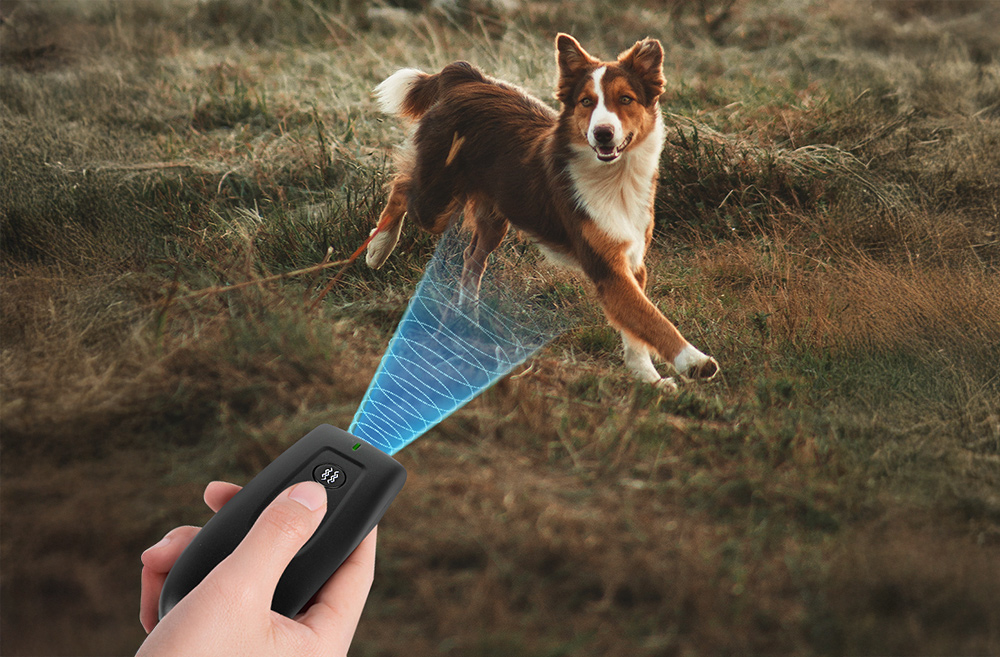
Generally, most veterinary behaviorists do not recommend ultrasonic bark devices for daily, long-term pet training due to anxiety risks and its nature as an aversive method. However, vets agree their recommendation depends heavily on the context.
Do Vets Recommend Ultrasonic Bark Stoppers?
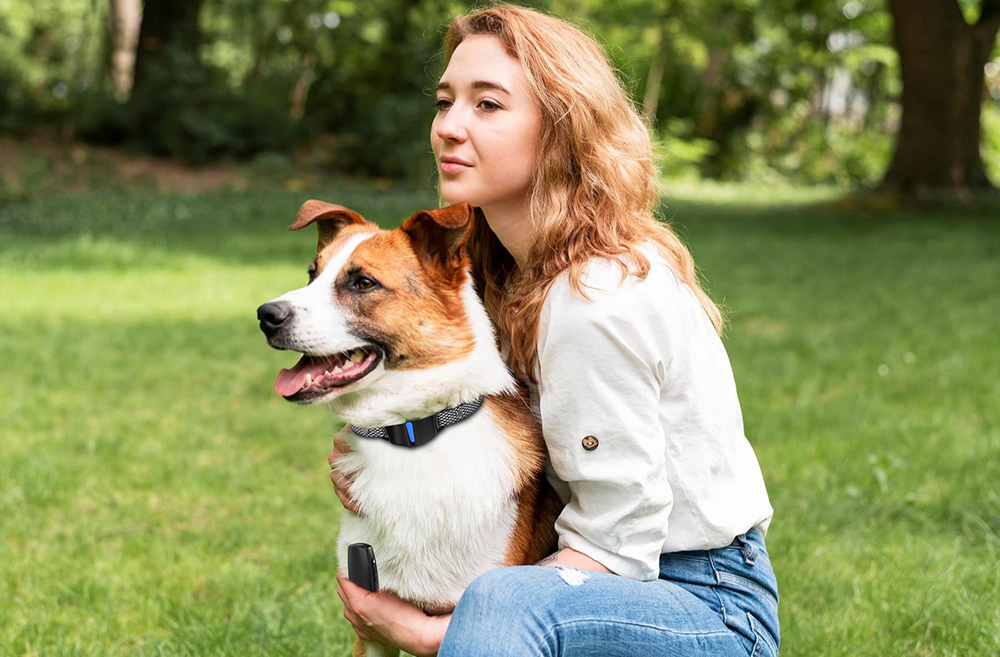
This guide breaks down the four most effective dog barking training tool types, explains how to use them, and helps you pick the right fit for your dog.
What Dog Training Tools Help with Barking?

SEND MESSAGE
