
How Do Electric Dog Fences Work? A Complete Guide for Pet Owners
author: Matthew TIZE
2025-02-26
For dog owners who want to give their pets freedom to roam while ensuring their safety, electric dog fences have become a popular solution. These innovative systems balance independence and security, but many pet parents still wonder: How do electric dog fences work, and are they truly effective? In this comprehensive guide, we’ll break down the technology behind these containment systems, explore their different types, and address common questions like "Do electric dog fences work?" to help you make an informed decision.
---
What Are Electric Dog Fences?
Electric dog fences (also called invisible fences) are wireless or wired containment systems that create a customizable boundary for pets. Unlike traditional fences, they use a combination of technology and gentle correction to train dogs to stay within designated safe zones. There are three primary types of electric dog fences:
1. Wired Underground Systems
2. Wireless Radio-Frequency Systems
3. GPS-Based Virtual Fences
Each type operates differently, but all share the same goal: keeping dogs safe without obstructing your yard’s aesthetics.


How Do Electric Dog Fences Work? Breaking Down the Technology
1. Wired Underground Systems
The most traditional type of electric dog fence involves burying a boundary wire around your property. Here’s how it works:
- A transmitter plugged into a power source sends a radio signal through the buried wire.
- Your dog wears a lightweight receiver collar that detects the signal.
- When the dog approaches the boundary, the collar emits a warning beep. If they continue moving forward, it delivers a mild static correction (adjustable to your pet’s size and temperament).
This system requires installation effort but offers precise boundary control, making it ideal for irregularly shaped yards.
2. Wireless Radio-Frequency Systems
Wireless electric dog fences use a central transmitter to create a circular containment zone (typically up to 1/2 acre). Key features:
- The transmitter emits a radio signal in a radius around your home.
- The collar activates when your dog nears the edge of this "invisible" circle.
- No digging or wiring needed—perfect for renters or those who want portability.
However, terrain and metal structures can interfere with the signal, so flat, open spaces work best.
3. GPS-Based Virtual Fences
The newest innovation in electric dog fences uses GPS technology for maximum flexibility:
- A smartphone app lets you draw custom boundaries on a map.
- The GPS collar tracks your dog’s location in real time.
- If your pet approaches the virtual fence line, the collar issues alerts and corrections.
These systems work anywhere with cellular coverage, ideal for travel or large rural properties.

Do Electric Dog Fences Work? Addressing Effectiveness Concerns
The question "Do electric dog fences work?" often arises from pet owners worried about reliability or pet safety. Studies and user reviews show these systems are 85-95% effective when used correctly. Success depends on three factors:
1. Proper Training
Electric dog fences aren’t "set and forget" solutions. Most kits include training flags to visually mark boundaries. Spend 2-3 weeks teaching your dog to recognize warning beeps and associate them with the boundary. Positive reinforcement (treats, praise) helps build confidence.
2. Appropriate Correction Levels
Modern collars offer adjustable static stimulation, from a mild tickle to stronger pulses. Start at the lowest setting and increase only if needed. Many models also have vibration-only or sound-only modes for sensitive dogs.
3. Consistency
Ensure the system is always active, and replace collar batteries regularly. GPS fences require cellular/data connectivity checks.
Limitations to Consider:
- Electric dog fences won’t prevent other animals from entering your yard.
- High-prey-drive dogs might ignore corrections when chasing squirrels.
- Puppies under 6 months or dogs with health issues may need alternative solutions.
---
Choosing the Right Electric Dog Fence
To maximize effectiveness, match the system to your lifestyle:
Type Best For Key Advantage
Wired underground permanent, custom-shaped boundaries Precision & reliability
Wireless Radio-Frequency Easy setup & portability No installation required
GPS-Based Large properties & travel Unlimited boundary customization
---
Final Thoughts: Balancing Safety and Freedom
Understanding how do electric dog fences work empowers owners to make smart choices. While not perfect for every situation, these systems provide a humane, cost-effective way to protect adventurous pets. Pair them with patient training, and you’ll create a secure environment where your dog can play freely—no unsightly physical fences needed.
Whether you opt for a classic wired system or a cutting-edge GPS fence, the answer to "Do electric dog fences work?" is a resounding yes—as long as you invest time in proper setup and bonding with your furry friend.
Do Dog Bark Deterrent Devices Work?
Wireless Dog Fence or In-Ground Dog Fence: Which is Best for My Dog?
Related Article
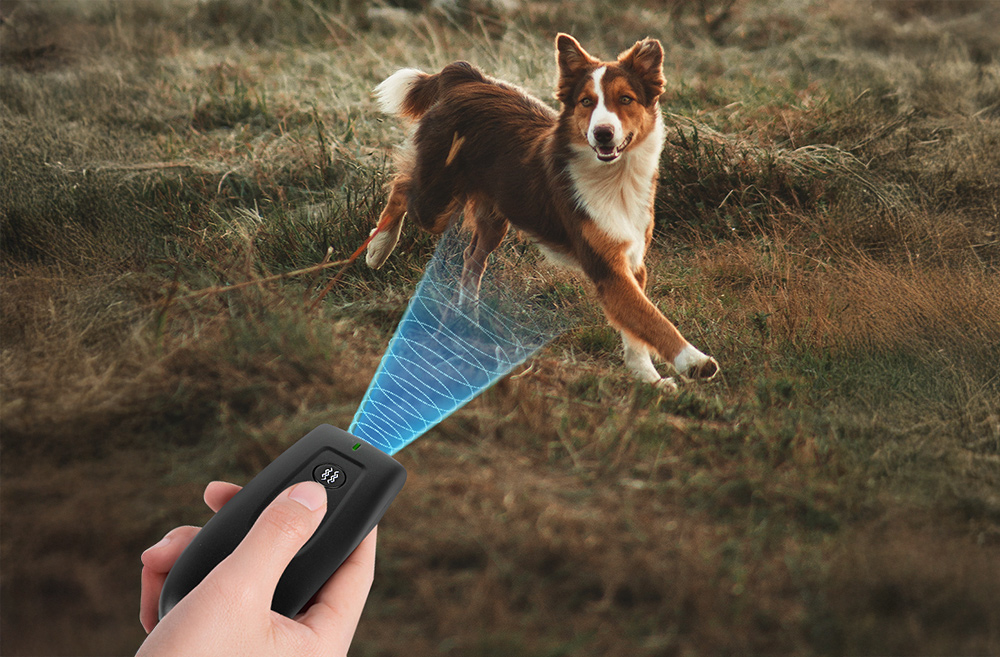
Generally, most veterinary behaviorists do not recommend ultrasonic bark devices for daily, long-term pet training due to anxiety risks and its nature as an aversive method. However, vets agree their recommendation depends heavily on the context.
Do Vets Recommend Ultrasonic Bark Stoppers?

This guide breaks down the four most effective dog barking training tool types, explains how to use them, and helps you pick the right fit for your dog.
What Dog Training Tools Help with Barking?


SEND MESSAGE
