
Do Ultrasonic Dog Repellers Hurt Dogs? A Balanced Look at Safety and Effectiveness
author: Matthew TIZE
2025-02-20
As pet owners and animal lovers, we’re often torn between protecting our spaces from unwanted canine visitors and ensuring our methods don’t harm animals. Enter ultrasonic dog repellers—a popular tool marketed as a humane way to deter dogs. But do ultrasonic dog repellers work? Are they truly effective? And most importantly, do ultrasonic dog repellers hurt dogs? Let’s explore the science, functionality, and ethics behind these devices.
---
What Are Ultrasonic Dog Repellers?
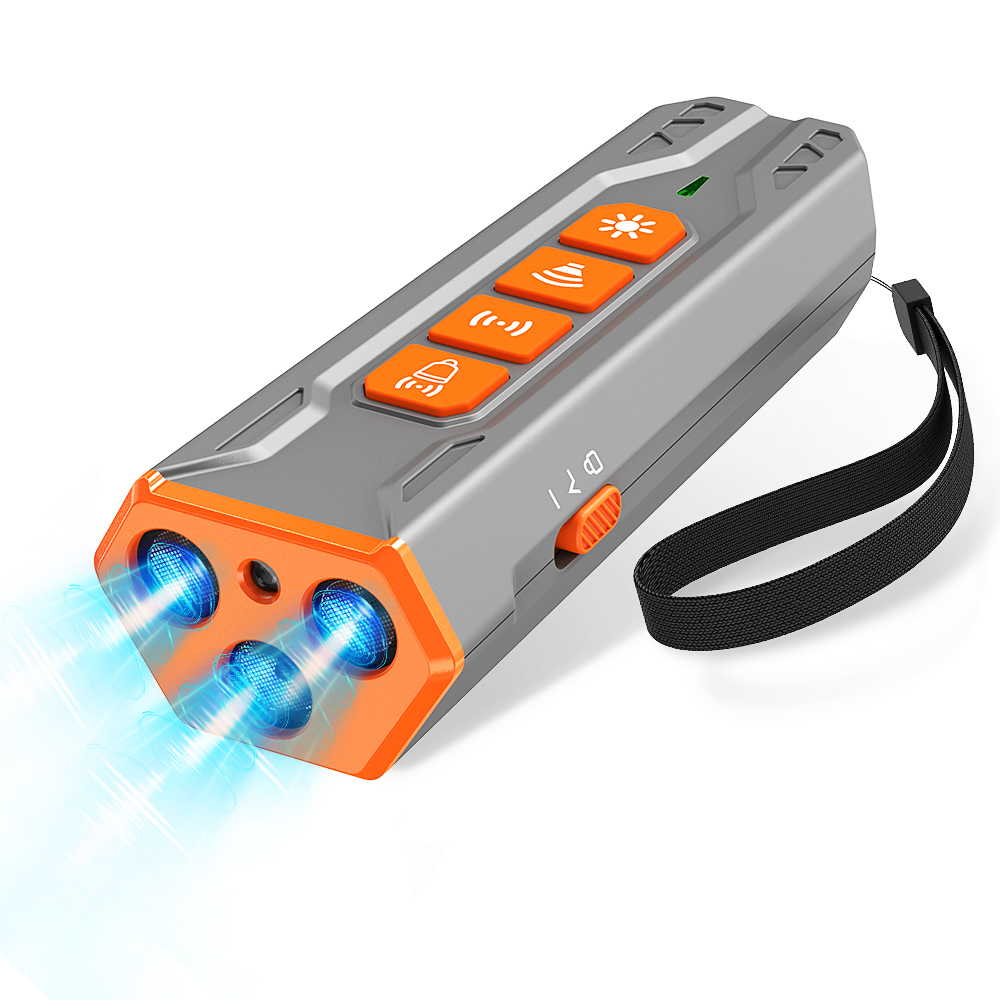
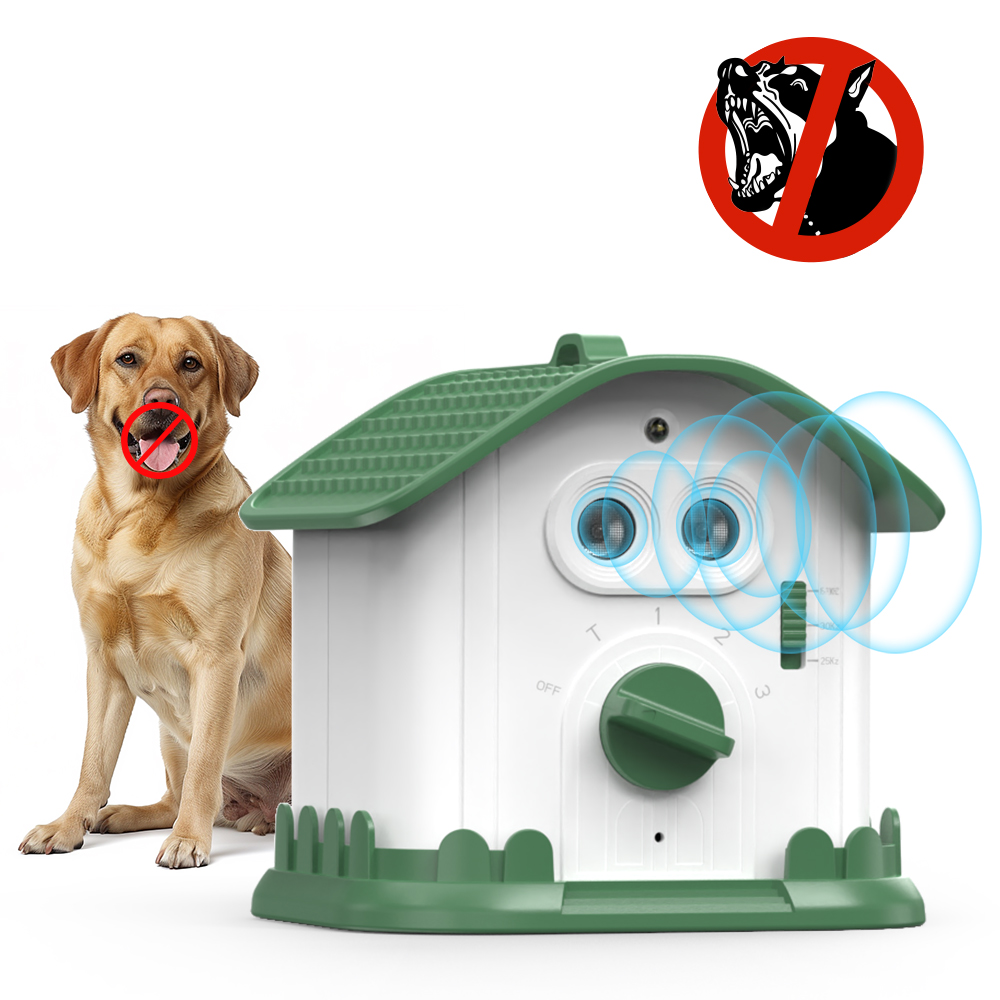
Ultrasonic dog repellers are handheld or stationary devices that emit high-frequency sound waves (typically between 20,000 to 45,000 Hz) inaudible to most humans but uncomfortable for dogs. The idea is simple: when activated, the sound disrupts a dog’s behavior, encouraging them to leave the area. These devices are often used to:
- Deter stray or aggressive dogs during walks.
- Prevent neighborhood dogs from entering gardens or yards.
- Train pets to avoid specific zones (e.g., furniture or restricted rooms).
Most models offer adjustable frequency settings, motion sensors, or LED lights for added functionality. But how exactly do they operate?
How Do Ultrasonic Dog Repellers Work?
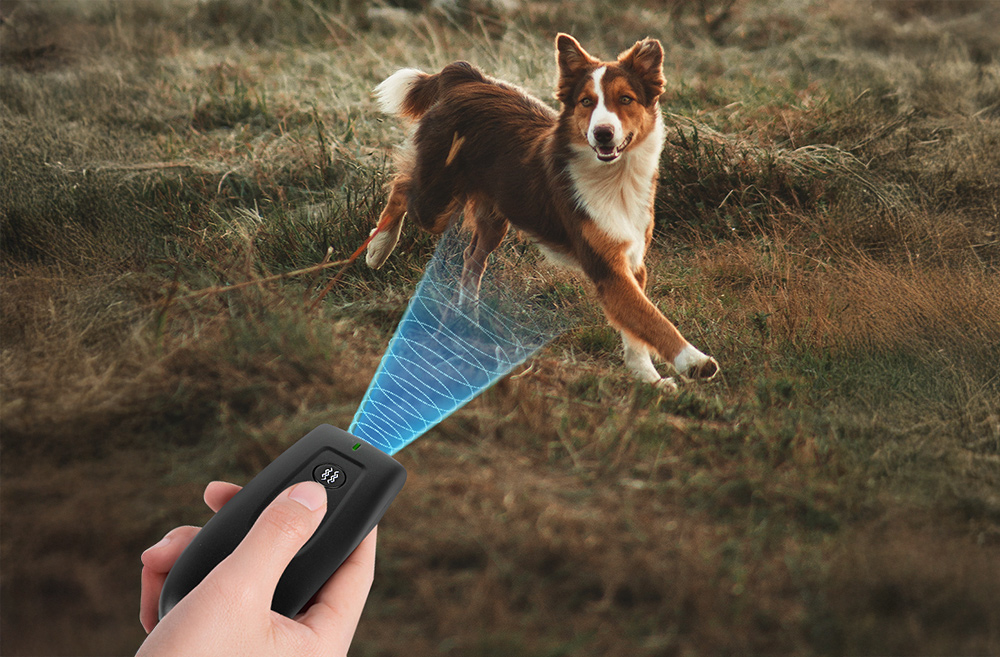
Dogs hear a broader range of frequencies than humans, which makes them sensitive to ultrasonic waves. When a repeller is activated, it emits a sharp, high-pitched noise that startles or irritates the animal, triggering their instinct to retreat. The sound is painless but unpleasant—think of it as a human reacting to nails on a chalkboard.
Key features of these devices include:
1. Adjustable Frequency: Some dogs respond better to specific frequencies.
2. Range: Coverage varies from 10 to 50 feet, depending on the model.
3. Battery Life: Many are rechargeable or use standard batteries for portability.
But the million-dollar question remains: are ultrasonic dog repellers effective?

Effectiveness: Do Ultrasonic Dog Repellers Work?
The answer isn’t black and white. Studies and user experiences suggest mixed results:
The Case For Effectiveness
- Immediate Response: Dogs often react by stopping unwanted behavior (barking, chasing) or leaving the area.
- Non-Physical Deterrent: Unlike sprays or fences, ultrasonic repellers don’t require direct contact.
- Training Aid: Consistent use can condition dogs to avoid specific zones.
Limitations
- Variable Sensitivity: Older dogs or those with hearing impairments may not respond.
- Habituation: Some dogs grow accustomed to the sound over time.
- Environmental Interference: Walls, wind, or background noise can reduce effectiveness.
A 2015 study in Applied Animal Behavior Science found that ultrasonic devices reduced barking in 60% of test cases but noted that results depended on the dog’s temperament and environment. For best results, manufacturers recommend combining repellers with positive reinforcement training.
---
Safety First: Do Ultrasonic Dog Repellers Hurt Dogs?
Now to the heart of the matter: do ultrasonic dog repellers hurt dogs? Most veterinarians and animal welfare groups agree that these devices are physically harmless when used correctly. However, ethical concerns arise from misuse or overreliance.
Physical Safety
- No Tissue Damage: Ultrasonic waves don’t harm a dog’s ears or body.
- Temporary Discomfort: The sound may cause stress or anxiety if used excessively.
Behavioral Considerations
- Stress Signals: Prolonged exposure might lead to panting, hiding, or agitation.
- Misapplication: Using repellers near puppies, senior dogs, or anxious pets could worsen their fear.
The Humane Society advises using ultrasonic devices sparingly and avoiding direct aiming at animals. Always prioritize positive reinforcement for long-term behavioral solutions.

Best Practices for Responsible Use
To maximize effectiveness while minimizing risks:
1. Test Sensitivity: Gradually introduce the device to gauge your dog’s reaction.
2. Limit Exposure: Use short bursts (2–3 seconds) rather than continuous noise.
3. Combine Methods: Pair with verbal commands or treats to reinforce good behavior.
4. Avoid Vulnerable Dogs: Skip ultrasonic tools for puppies, elderly dogs, or rescue pets with trauma.
---
The Verdict: A Tool, Not a Miracle Fix
So, do ultrasonic dog repellers work? Yes—but with caveats. They’re most effective as a supplemental tool for specific scenarios, not a standalone solution. Are ultrasonic dog repellers effective universally? No. Success depends on the dog, environment, and proper usage.
As for the burning question—do ultrasonic dog repellers hurt dogs? When used responsibly, they’re safe. However, like any deterrent, they require empathy and common sense. Always observe your dog’s reaction and consult a trainer or vet if unsure.
In the end, ultrasonic repellers offer a middle ground between humane deterrence and practical convenience. By understanding their limits and prioritizing animal welfare, pet owners can make informed choices that benefit both humans and our four-legged neighbors.
How Do Ultrasonic Dog Repellers and Deterrents Work? A Comprehensive Guide
The Evolution of Pet Safety: Exploring GPS Technology in Modern Dog Fencing Solutions
Related Article
Generally, most veterinary behaviorists do not recommend ultrasonic bark devices for daily, long-term pet training due to anxiety risks and its nature as an aversive method. However, vets agree their recommendation depends heavily on the context.
Do Vets Recommend Ultrasonic Bark Stoppers?
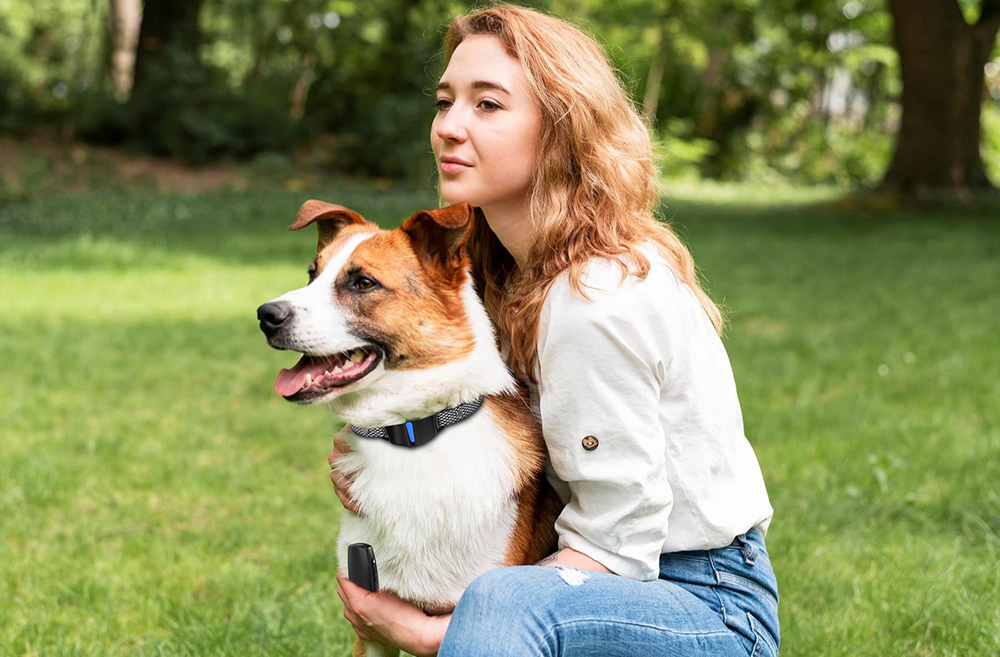
This guide breaks down the four most effective dog barking training tool types, explains how to use them, and helps you pick the right fit for your dog.
What Dog Training Tools Help with Barking?

SEND MESSAGE
