
Do Ultrasonic Dog Repellers Really Work? A Comprehensive Guide
author: Matthew TIZE
2025-02-24
As pet owners and outdoor enthusiasts increasingly seek humane solutions to deter aggressive or stray dogs, ultrasonic dog repellers have surged in popularity. These devices promise to keep both humans and animals safe without physical harm—but do ultrasonic dog repellers work as advertised? Let’s dive into their functionality, effectiveness, and key considerations for choosing the right product.
---
Understanding Ultrasonic Dog Repellers
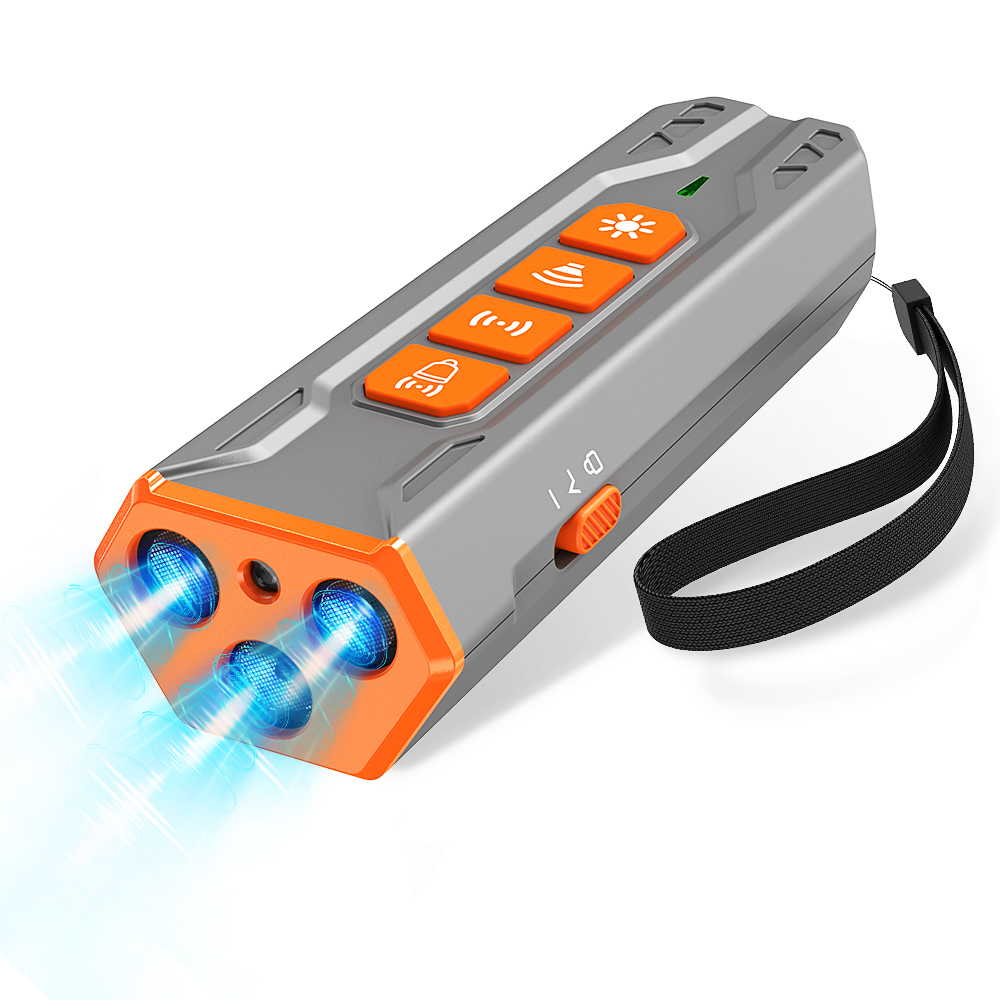
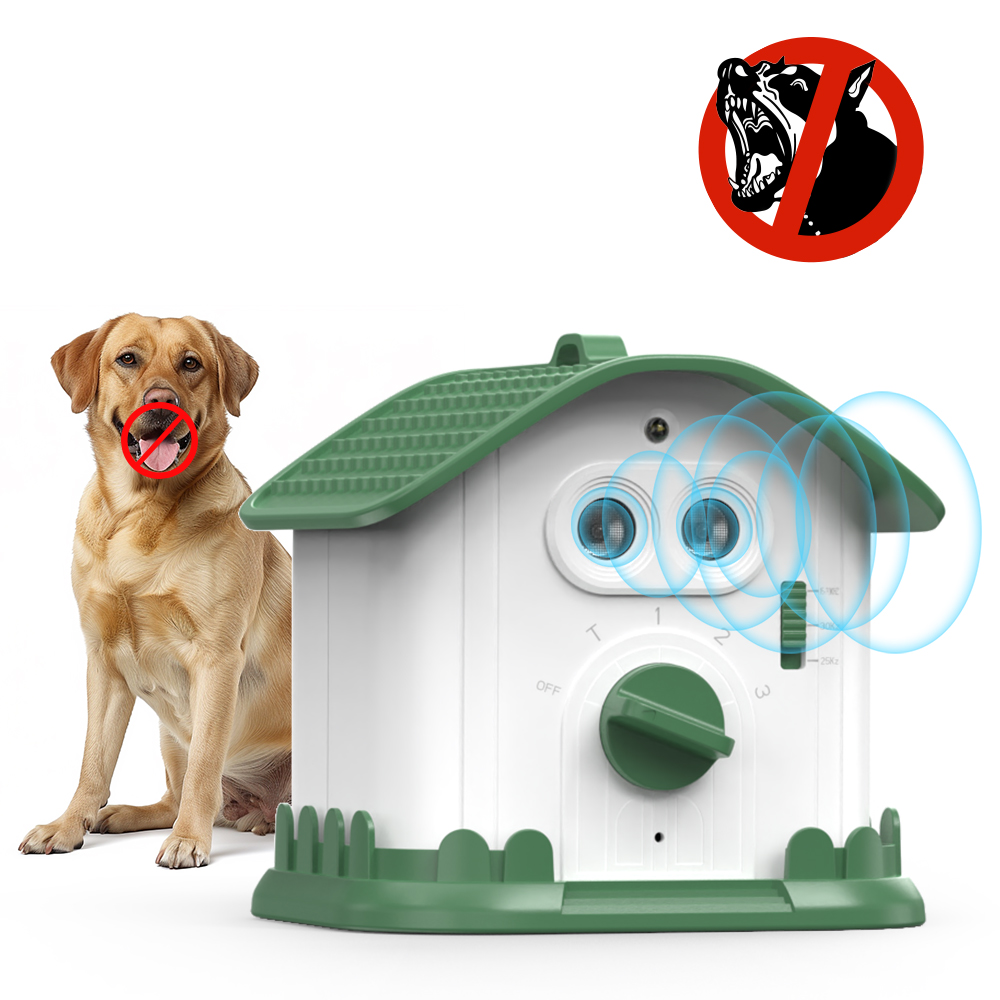
Ultrasonic dog repellers are handheld or stationary devices designed to emit high-frequency sound waves, typically between 20,000 and 25,000 Hz. These frequencies are inaudible to most humans but fall within the hearing range of dogs, causing discomfort or confusion that discourages them from approaching.
How Do They Work?
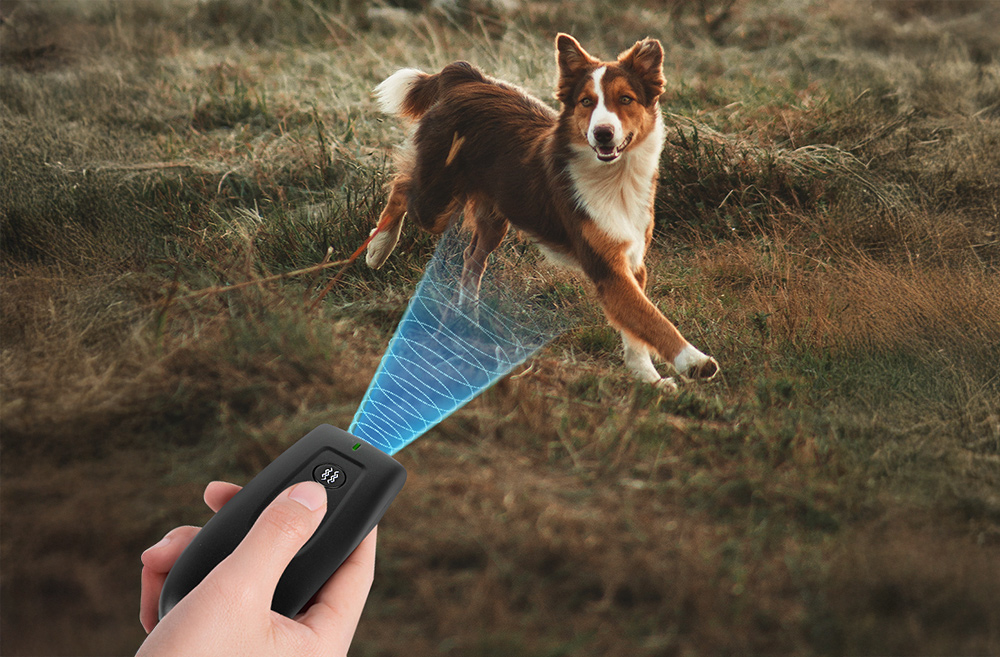
When activated, the device generates ultrasonic waves that disrupt a dog’s sensory environment. The sudden, high-pitched noise can startle the animal, redirecting its attention or prompting it to retreat. Unlike sprays or physical barriers, ultrasonic repellers operate without direct contact, making them ideal for scenarios like jogging, cycling, or protecting a yard.
Advanced models, such as a high power ultrasonic dog repeller, amplify the sound output to cover larger areas or penetrate noisy environments. Some devices also integrate strobe lights or vibration modes for added deterrence.

Key Features to Consider
Not all ultrasonic dog repellers are created equal. Here’s what sets effective models apart:
1. Range and Coverage
A ultrasonic dog repeller long range device can project sound waves up to 50 feet or more, making it suitable for open spaces like parks or backyards. Shorter-range models (10–20 feet) may suffice for personal safety during walks.
2. Adjustable Frequency
Dogs’ hearing sensitivity varies by breed and age. Adjustable frequency settings allow users to customize the output for optimal effectiveness.
3. Battery Life
Rechargeable lithium batteries are common in modern devices, ensuring reliability during extended use.
4. Durability
Weather-resistant designs are critical for outdoor use, especially in rain or extreme temperatures.
---
Do Ultrasonic Dog Repellers Work? The Debate
The million-dollar question remains: do ultrasonic dog repeller work consistently? The answer depends on multiple factors:
1. Scientific Evidence
Studies on ultrasonic deterrents yield mixed results. Research by the University of Lincoln (2018) found that ultrasonic devices reduced barking in 70% of tested dogs. However, effectiveness varies based on a dog’s temperament, age (older dogs may have hearing loss), and environmental noise levels.
2. Real-World Scenarios
User testimonials highlight successes in deterring stray dogs during outdoor activities. Runners and postal workers, for instance, often report fewer confrontations when carrying these devices. That said, determined or highly aggressive dogs may ignore the sound, especially if they’re accustomed to urban noise.
3. Limitations
- Distance Matters: A high power ultrasonic dog repeller may fail if the dog is too far outside its effective range.
- Breed Variability: Breeds with sensitive hearing (e.g., Border Collies) respond better than those with floppy ears (e.g., Basset Hounds).
- Habituation: Repeated exposure can lead to desensitization, reducing long-term efficacy.
Choosing the Right Device
To maximize success, consider these tips:
1. Prioritize Range
Opt for a ultrasonic dog repeller long range model if you need to protect a large garden or frequently encounter dogs in open areas.
2. Test Adjustable Settings
Devices with frequency dials or multiple modes adapt to different situations, from deterring a curious puppy to warding off an aggressive stray.
3. Combine with Other Methods
For persistent issues, pair ultrasonic repellers with visual deterrents (e.g., flashing lights) or scent-based solutions.
4. Read Reviews
Look for verified buyer feedback highlighting real-world performance, especially in noisy or crowded environments.
---
Ethical and Practical Considerations
While ultrasonic repellers are marketed as humane, critics argue that the stress caused by high-frequency sounds could negatively impact sensitive dogs. Always use these devices responsibly:
- Avoid targeting leashed or non-threatening dogs.
- Never use them near service animals or puppies.
- Pair deterrents with positive training methods for owned pets displaying unwanted behavior.
---
Final Verdict
So, do ultrasonic dog repeller work? The short answer is: they can, but with caveats. When used appropriately—and with realistic expectations—these devices offer a non-violent way to enhance safety for humans and animals alike. For best results, invest in a high power ultrasonic dog repeller with adjustable settings and robust construction.
Whether you’re a hiker exploring remote trails or a homeowner tired of neighborhood strays, ultrasonic technology provides a modern tool to mitigate risks without compromising compassion. As with any pet-related product, research, patience, and ethical use are key to achieving the desired outcome.
How Do Underground Fences Work? A Comprehensive Guide for Pet Owners
How Does a GPS Dog Fence Work? A Modern Solution for Pet Safety
Related Article
Generally, most veterinary behaviorists do not recommend ultrasonic bark devices for daily, long-term pet training due to anxiety risks and its nature as an aversive method. However, vets agree their recommendation depends heavily on the context.
Do Vets Recommend Ultrasonic Bark Stoppers?
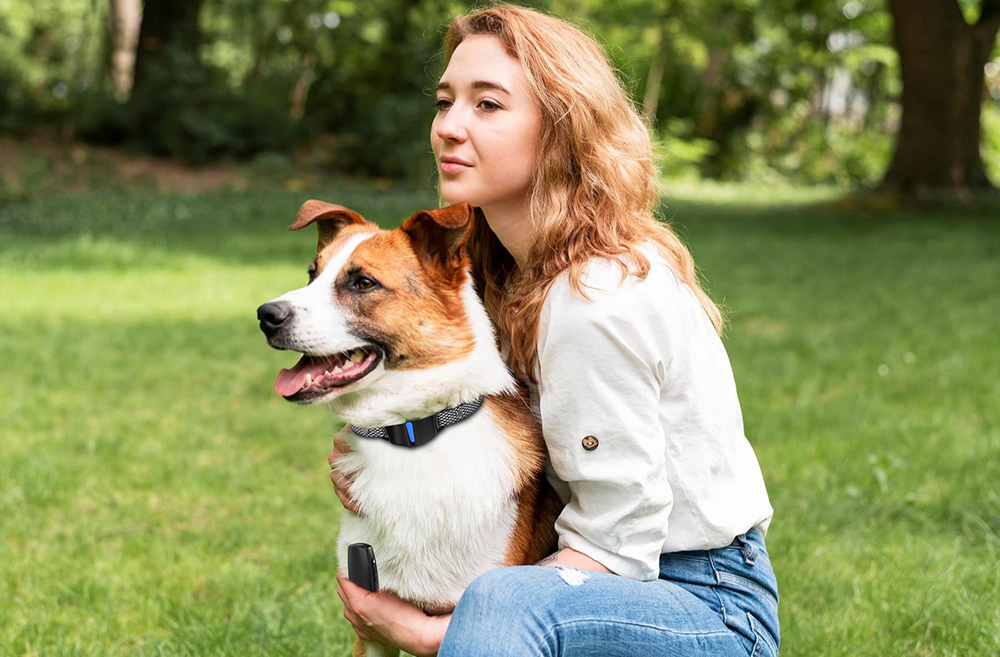
This guide breaks down the four most effective dog barking training tool types, explains how to use them, and helps you pick the right fit for your dog.
What Dog Training Tools Help with Barking?

SEND MESSAGE
