
Does Ultrasonic Dog Repeller Really Work? A Comprehensive Guide
author: Matthew TIZE
2025-02-19
For pet owners, joggers, mail carriers, and anyone who’s ever faced an unwelcome encounter with a barking or aggressive dog, ultrasonic dog repellers have emerged as a popular tool to address these challenges. But amidst the buzz, many wonder: Do ultrasonic dog bark repellers work? Or more broadly, does ultrasonic dog repeller work as advertised? In this article, we’ll dive into the science, functionality, and real-world effectiveness of these devices to help you make an informed decision.
Understanding Ultrasonic Dog Repellers
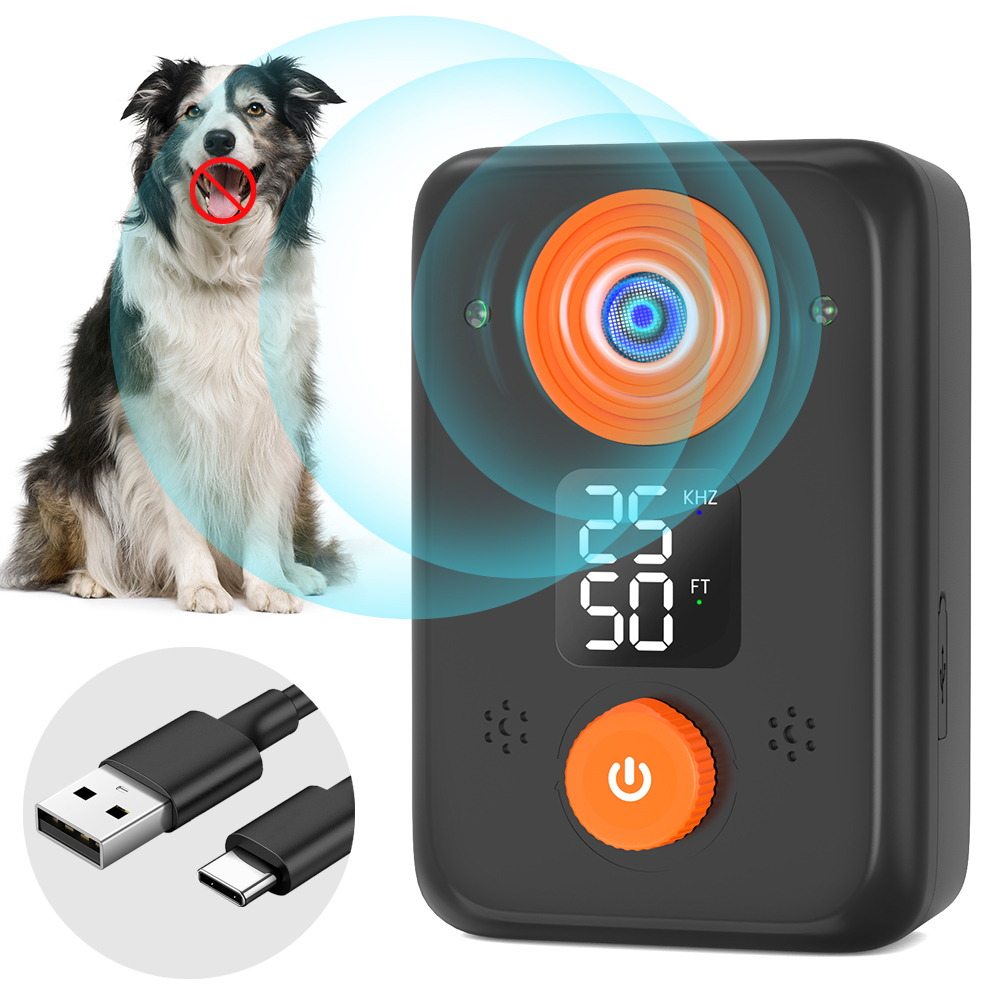
Ultrasonic dog repellers are handheld or stationary devices designed to emit high-frequency sound waves (typically between 20 kHz and 45 kHz) that are inaudible to most humans but irritating to dogs. The premise is simple: when activated, the sound disrupts a dog’s behavior, deterring barking, chasing, or approaching.
These devices come in several forms:
1. Handheld Units: Portable and battery-operated, ideal for joggers or delivery personnel.
2. Stationary Outdoor Devices: Mounted in yards or gardens to deter stray or neighboring dogs.
3. Bark-Activated Models: Automatically trigger when they detect barking, often used for training pets.
4. Multimodal Repellers: Combine ultrasonic sound with flashing lights or citronella sprays for enhanced deterrence.

How Do Ultrasonic Dog Repellers Work?
To answer how do ultrasonic dog repellers work, we need to explore their core mechanism. Dogs have a broader hearing range than humans, capable of detecting frequencies up to 45–60 kHz. Ultrasonic repellers exploit this sensitivity by emitting pulses or continuous waves of high-pitched noise, which startle or annoy dogs without causing physical harm.
When a dog barks or approaches, the device’s microphone (in bark-activated models) or motion sensor detects the activity and releases the ultrasonic sound. The sudden noise interrupts the dog’s focus, discouraging further unwanted behavior. Some advanced models adjust frequencies automatically to prevent dogs from becoming habituated to the sound.
Do Ultrasonic Dog Bark Repellers Work? Evaluating Effectiveness
The million-dollar question remains: Do ultrasonic dog bark repellers work consistently? The answer isn’t a simple “yes” or “no”—it depends on several factors:
1. Dog Temperament and Breed:
- Highly sensitive breeds like Border Collies or German Shepherds may react more strongly.
- Stubborn or aggressive dogs might ignore the sound if their drive to chase or bark outweighs discomfort.
2. Distance and Environment:
- Most devices have a range of 10–25 feet. Effectiveness drops beyond this limit.
- Noisy environments (e.g., busy streets) can interfere with the ultrasonic waves.
3. Device Quality:
- Cheap, poorly calibrated units may emit inconsistent frequencies or insufficient volume.
- Look for repellers with adjustable settings and proven decibel levels (85–120 dB).
4. Training vs. Immediate Deterrence:
- For training pets, consistency is key. Ultrasonic repellers can reinforce commands over time.
- For deterring unfamiliar dogs, results may vary.
A 2021 study by the University of Lincoln found that ultrasonic devices reduced barking in 65% of tested dogs, but success rates dipped in high-stress scenarios. User reviews also reflect mixed experiences, with many praising the devices for deterring neighborhood strays but noting limited impact on highly aggressive animals.

Pros and Cons of Ultrasonic Repellers
Advantages:
- Humane: No physical harm or lasting trauma to dogs.
- Portable and Easy to Use: No specialized training required.
- Versatile: Effective for training, deterring strays, or quieting a barking pet.
Limitations:
- Variable Results: Not all dogs respond to ultrasonic sounds.
- Short-Term Solution: Doesn’t address root causes like anxiety or poor socialization.
- Ethical Concerns: Overuse could stress dogs unnecessarily.
So, Does Ultrasonic Dog Repeller Work? Final Thoughts
If you’re considering an ultrasonic repeller, temper your expectations. These devices can be a valuable tool for specific scenarios—quieting a barking pet during training, deterring curious strays during walks, or protecting gardens from digging. However, they’re not a magic bullet. Success hinges on pairing the device with proper training, understanding your dog’s behavior, and choosing a high-quality product.
For best results:
- Test the device in controlled environments first.
- Combine ultrasonic sound with positive reinforcement for training.
- Opt for multimodal devices (e.g., sound + light) for stubborn cases.
In the end, how do ultrasonic dog repellers work is just as important as when they work. Used thoughtfully, they offer a humane, non-invasive way to manage unwanted canine behavior—but like any tool, their effectiveness lies in the hands of the user.
The Evolution of Pet Safety: Exploring GPS Technology in Modern Dog Fencing Solutions
Are Ultrasonic Repellers Safe For Dogs? Understanding the Pros and Cons
Related Article
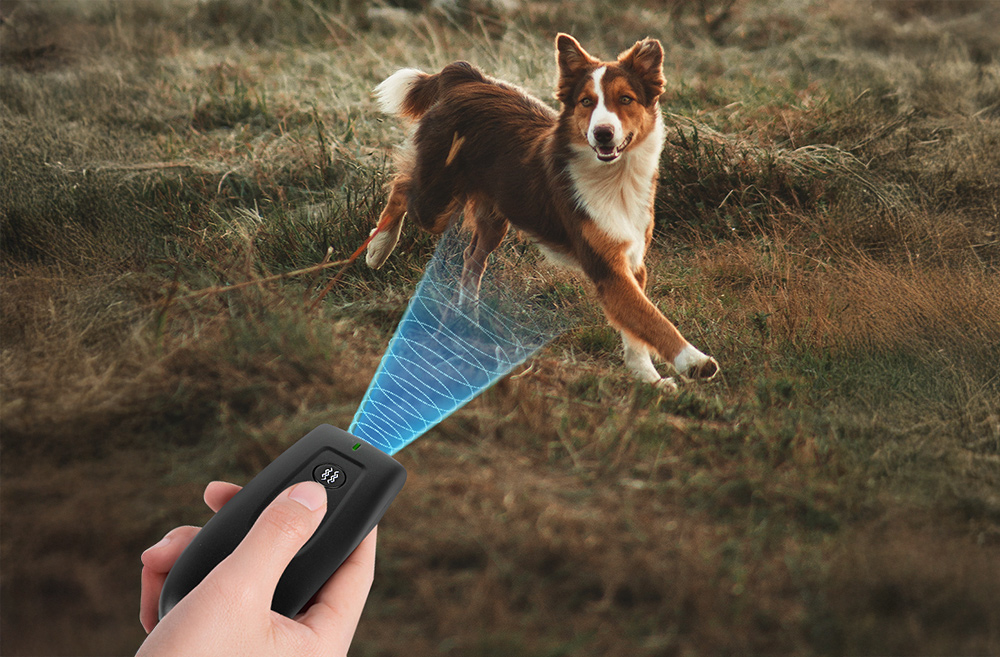
Generally, most veterinary behaviorists do not recommend ultrasonic bark devices for daily, long-term pet training due to anxiety risks and its nature as an aversive method. However, vets agree their recommendation depends heavily on the context.
Do Vets Recommend Ultrasonic Bark Stoppers?

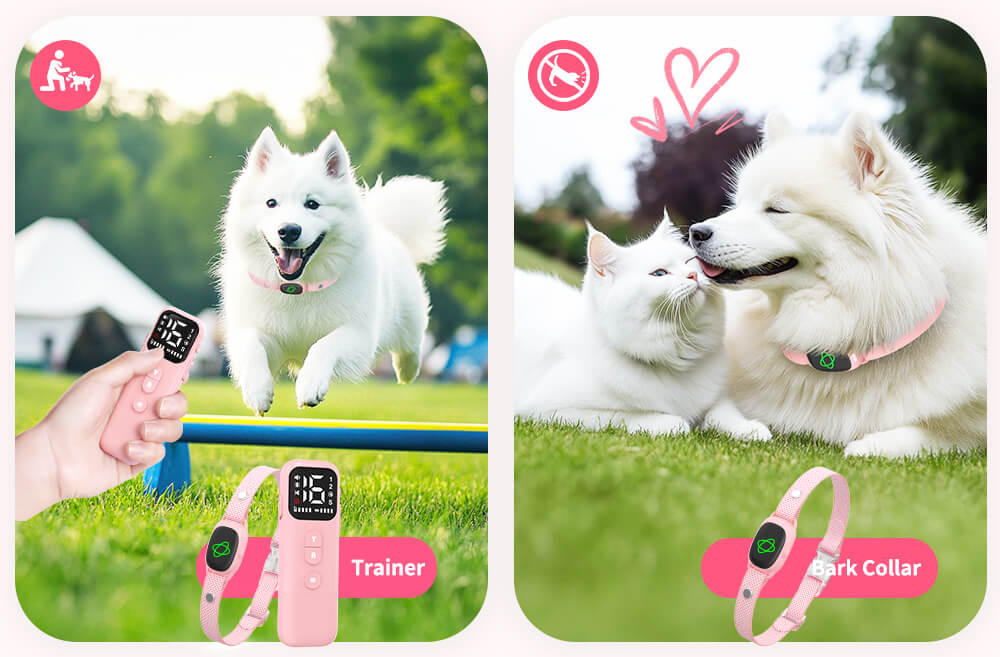
This guide breaks down the four most effective dog barking training tool types, explains how to use them, and helps you pick the right fit for your dog.
What Dog Training Tools Help with Barking?

SEND MESSAGE
