
Are Ultrasonic Devices A Humane Way To Stop Dogs From Barking?
author: Matthew TIZE
2025-02-18
Excessive barking can strain the relationship between pets and their owners, leading many to seek solutions that balance effectiveness with compassion. Among modern tools, ultrasonic dog barking devices have gained attention for their promise to curb unwanted noise without physical intervention. But questions linger: Do ultrasonic dog barking devices work? Are ultrasonic bark devices cruel? And are they safe for puppies? Let’s explore the science, ethics, and practicality of these gadgets.

Understanding Ultrasonic Dog Barking Devices
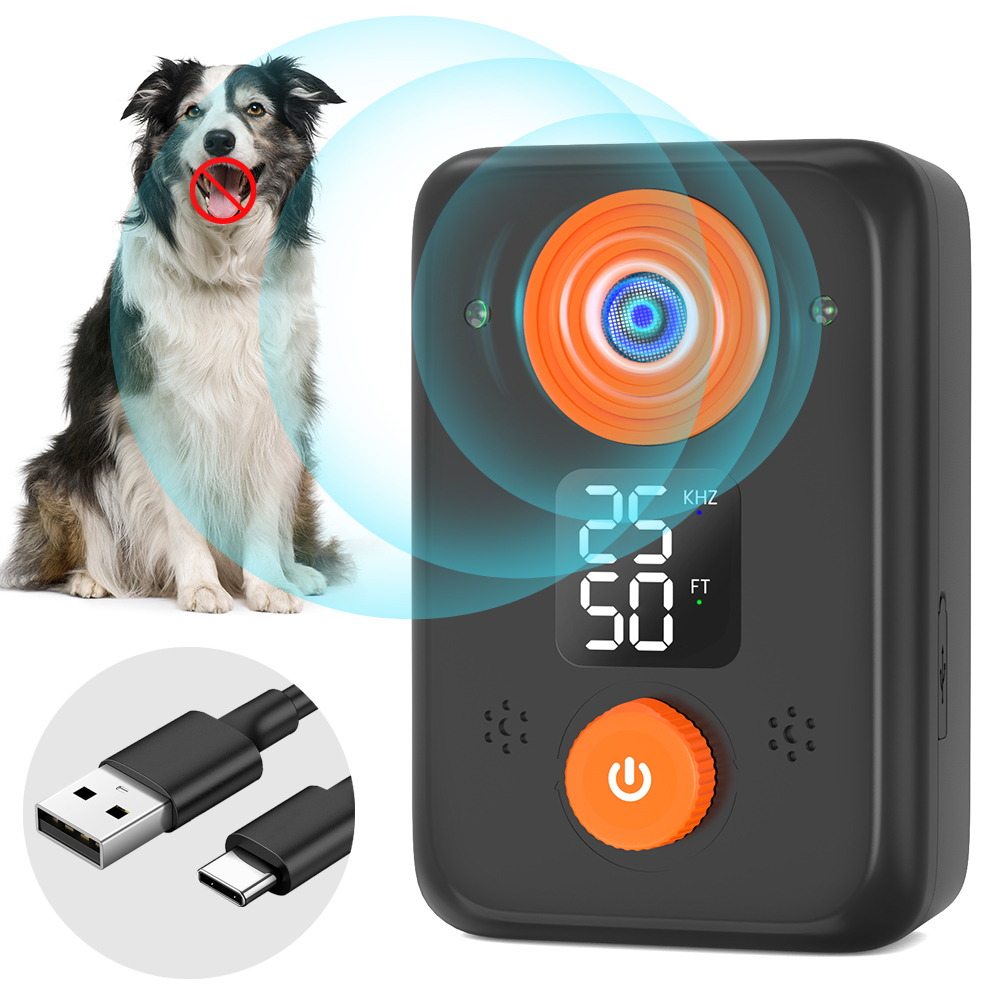
Ultrasonic devices emit high-frequency sound waves (typically between 20,000 to 25,000 Hz) that are inaudible to humans but detectable by dogs. The concept is simple: when a dog barks, the device activates and releases an ultrasonic tone, interrupting the behavior by creating a momentary distraction.
There are three main types of these devices:
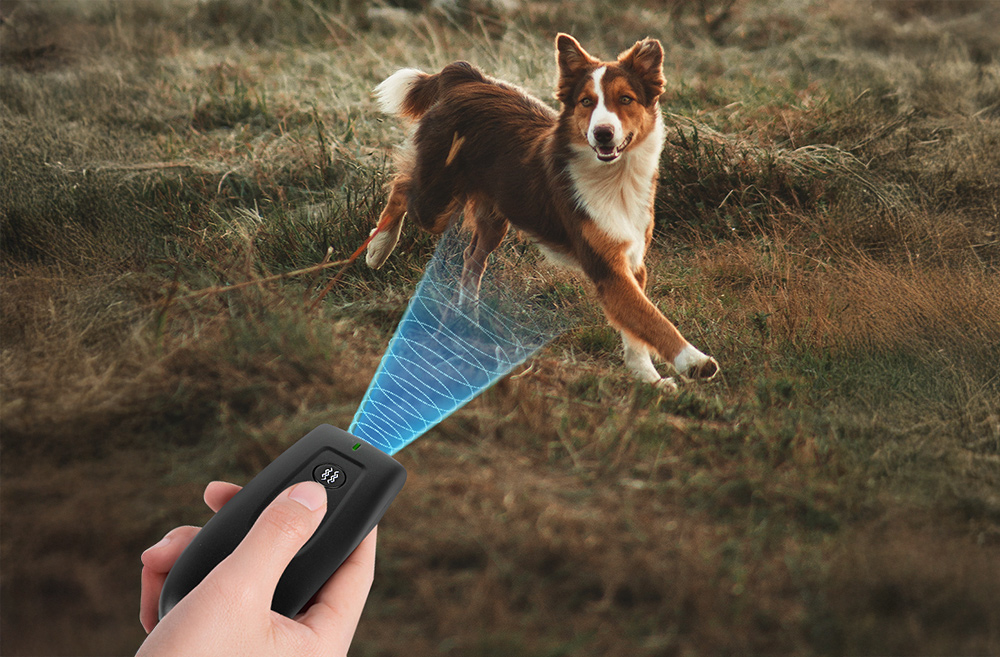
1. Handheld units: Portable tools used manually by owners to correct barking during walks or training sessions.
2. Stationary outdoor/indoor units: Plug-in or battery-operated devices placed in specific areas (e.g., yards or living rooms) that activate automatically when barking is detected.
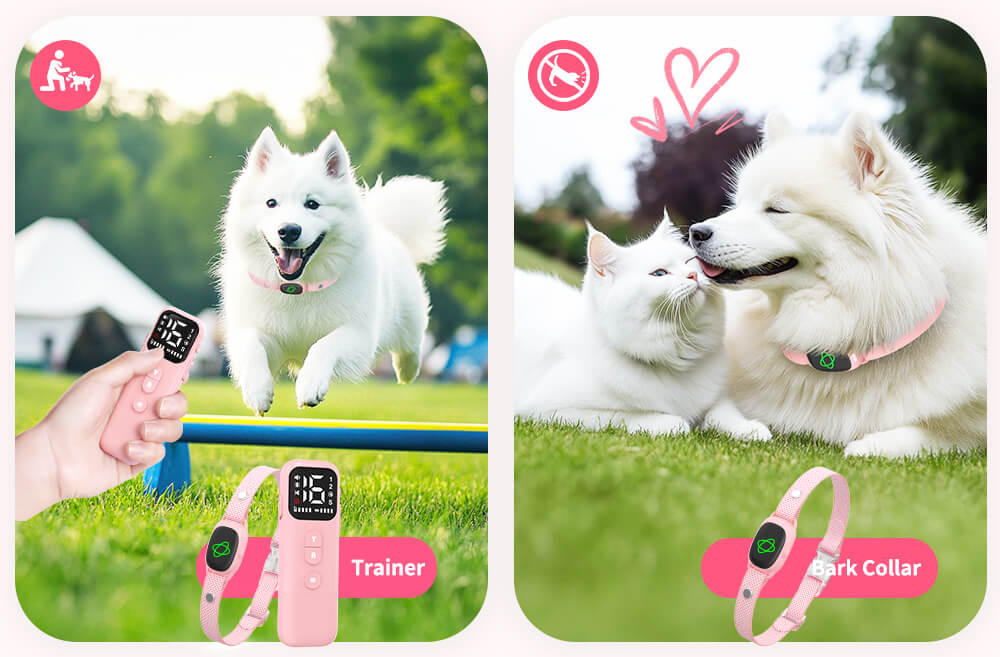
3. Collar-mounted devices: Wearable collars that emit ultrasonic pulses (or vibrations) triggered by the dog’s own vocalizations.
Most models include adjustable sensitivity settings and optional training modes, such as pairing the ultrasonic tone with a flashing light or vibration. Advanced versions even sync with smartphone apps for remote monitoring.

Do Ultrasonic Dog Barking Devices Work?
The effectiveness of these devices depends on factors like a dog’s temperament, the environment, and consistency of use. Studies and user reviews suggest mixed results. For some dogs, the sudden ultrasonic tone creates a strong association between barking and an unpleasant stimulus, reducing nuisance behavior over time. Others may habituate to the sound, rendering the device ineffective.
A 2020 study published in the Journal of Veterinary Behavior found that ultrasonic devices reduced barking in 65% of cases when combined with positive reinforcement training. However, dogs with anxiety-driven barking (e.g., separation anxiety) often show little improvement, as the root cause isn’t addressed.
Key takeaway: Ultrasonic devices work best as part of a broader training strategy. They’re most effective for situational barking (e.g., at mail carriers or squirrels) rather than chronic behavioral issues.
Are Ultrasonic Bark Devices Cruel?
Critics argue that ultrasonic devices could cause stress or confusion. Animal welfare organizations like the ASPCA caution against tools that rely on aversive stimuli, including ultrasonic tones, which may frighten sensitive dogs. However, proponents emphasize that these devices are far less intrusive than shock collars or citronella sprays.
The humane debate hinges on two factors:
1. Intensity and duration: Most ultrasonic tones last 1–5 seconds and are designed to startle, not harm. Unlike shock collars, they leave no physical marks.
2. Alternatives: For dogs unresponsive to positive reinforcement alone, ultrasonic devices may prevent escalation to harsher methods.
Still, ethical concerns persist. A 2018 survey by the Humane Society noted that some dogs exhibit signs of stress (e.g., hiding or avoiding certain areas) when exposed to ultrasonic sounds. Owners must weigh their pet’s personality against the need for behavior modification.

Are Ultrasonic Bark Devices Safe for Puppies?
Puppies’ developing hearing and nervous systems raise valid safety concerns. While manufacturers claim their products are safe for dogs of all ages, veterinarians recommend caution. Puppies under six months old have more sensitive hearing, and repeated exposure to ultrasonic frequencies could theoretically cause discomfort or hearing damage—though no conclusive studies confirm this risk.
To mitigate potential issues:
- Choose devices with adjustable frequency ranges.
- Avoid continuous use; limit sessions to 10–15 minutes.
- Monitor puppies for signs of distress (whining, ear twitching, or avoidance).
Many trainers advise against using ultrasonic tools for young dogs, favoring reward-based training instead.
Best Practices for Responsible Use
If you opt for an ultrasonic device, follow these guidelines to ensure humane application:
1. Pair with positive reinforcement: Reward quiet behavior with treats or praise to reinforce calmness.
2. Test sensitivity: Start at the lowest setting and observe your dog’s reaction.
3. Avoid overuse: Prolonged exposure may desensitize dogs or increase anxiety.
4. Consult a professional: For persistent barking, involve a veterinarian or certified trainer to rule out medical or psychological causes.
The Verdict: A Tool, Not a Miracle Fix
Ultrasonic bark control devices offer a middle ground between gentle training and aversive methods. While they’re neither universally effective nor risk-free, their non-invasive nature makes them a viable option for many owners—provided they’re used thoughtfully.
Ultimately, the question isn’t just do ultrasonic dog barking devices work? but how can we use them responsibly? By prioritizing a dog’s well-being and addressing underlying causes of barking, owners can strike a balance between peace and compassion.
Are Ultrasonic Repellers Safe For Dogs? Understanding the Pros and Cons
Do Ultrasonic Dog Repellers Work For Barking?
Related Article
Generally, most veterinary behaviorists do not recommend ultrasonic bark devices for daily, long-term pet training due to anxiety risks and its nature as an aversive method. However, vets agree their recommendation depends heavily on the context.
Do Vets Recommend Ultrasonic Bark Stoppers?

This guide breaks down the four most effective dog barking training tool types, explains how to use them, and helps you pick the right fit for your dog.
What Dog Training Tools Help with Barking?

SEND MESSAGE
