
Do Ultrasonic Dog Repellers Work For Barking?
author: Matthew TIZE
2025-02-17
If you’re a dog owner or someone who’s ever been disturbed by persistent barking, you’ve likely wondered: Do ultrasonic dog bark repellers work?
These devices, marketed as humane solutions to curb excessive barking, have gained popularity in recent years. But how effective are they, and what should you know before investing in one?
In this article, we’ll explore the types, functions, and working mechanisms of ultrasonic anti-barking devices, while addressing common questions about their practicality.

Understanding Ultrasonic Dog Repellers
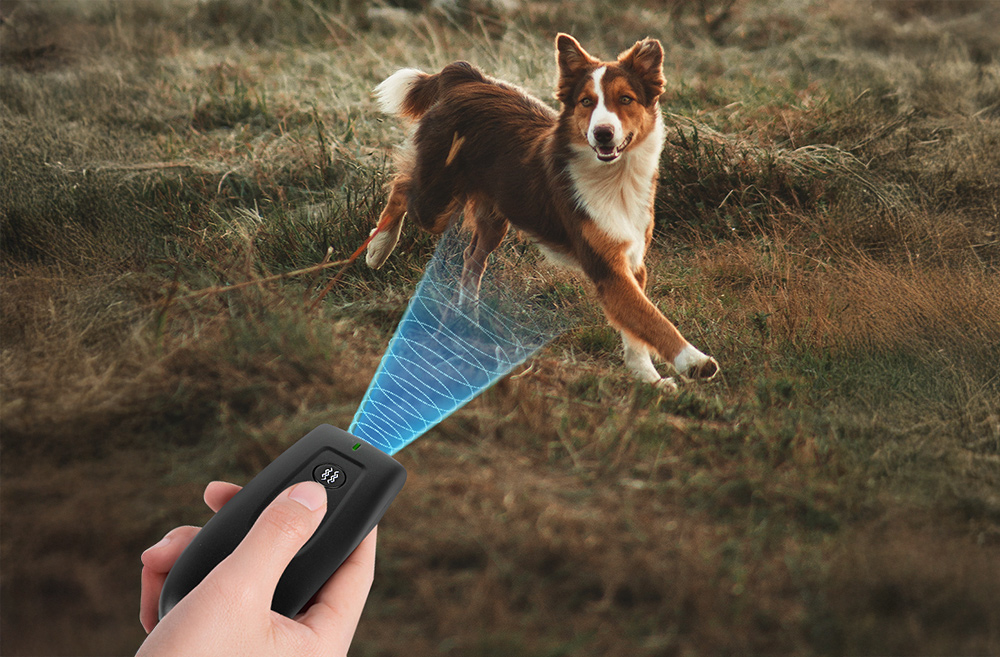
Ultrasonic dog repellers are electronic devices designed to emit high-frequency sound waves—inaudible to most humans—to deter dogs from barking.
The theory is simple: when a dog barks, the device detects the noise and releases an ultrasonic tone (typically between 20,000 to 25,000 Hz).
This sound is intended to startle or annoy the dog, interrupting the barking behavior without causing physical harm.
There are three primary types of anti barking ultrasonic pet dog repeller devices:
1. Handheld Units: Portable devices used for training during walks or outdoor activities.
2. Stationary Outdoor Models: Weatherproof units installed in yards or gardens to deter neighborhood dogs.
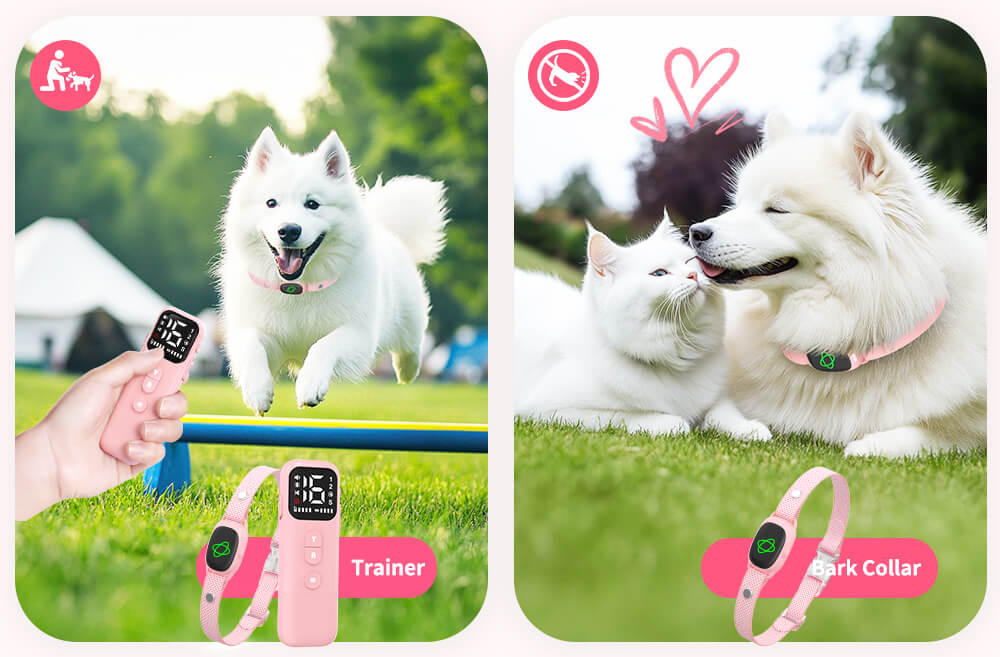
3. Collar-Mounted Devices: Attached directly to a dog’s collar, these activate automatically when barking is detected.
Each type serves a specific purpose, but all share the same core technology: using sound to modify behavior.


How Do Ultrasonic Anti Barking Pet Dog Repellers Work?
The effectiveness of these devices hinges on two key components: sound detection and ultrasonic emission.
1. Sound Detection: Advanced models use microphones or vibration sensors to identify barking. Some even differentiate between a dog’s bark and ambient noise to avoid false triggers.
2. Ultrasonic Emission: Once barking is detected, the device emits a short burst of high-frequency sound. Over time, the dog is expected to associate barking with the unpleasant noise, reducing the behavior.
However, results vary. Factors like a dog’s age, hearing sensitivity, and temperament play a role. For example, older dogs with hearing loss may not respond, while puppies or noise-sensitive breeds might react more strongly.
---
Do Ultrasonic Dog Bark Repellers Work? The Pros and Cons
Let’s address the burning question: Do ultrasonic dog bark repellers work in real-world scenarios?
The Case For Effectiveness
- Humane and Non-Invasive: Unlike shock collars or citronella sprays, ultrasonic repellers avoid physical discomfort.
- Immediate Feedback: The sound interrupts barking instantly, which helps reinforce training.
- Versatility: Outdoor models can deter stray or neighboring dogs, not just your own pet.
A 2020 study published in the Journal of Veterinary Behavior found that 65% of participants reported reduced barking when using ultrasonic anti barking pet dog repellers alongside positive reinforcement training.
Limitations to Consider
- Habituation: Some dogs grow accustomed to the sound over time, rendering the device ineffective.
- Variable Sensitivity: Not all dogs hear ultrasonic frequencies equally. Breeds like Greyhounds or Basset Hounds may be less responsive.
- Environmental Interference: Wind, rain, or distance can weaken the ultrasonic signal in outdoor settings.
For best results, experts recommend combining these devices with consistent training and rewards for quiet behavior.

Choosing the Right Anti Barking Ultrasonic Pet Dog Repeller
If you’re considering a repeller, here’s what to look for:
1. Adjustable Frequency: Devices with customizable settings allow you to adapt to your dog’s sensitivity.
2. Range and Coverage: Outdoor models should cover at least 20–30 feet for reliable performance.
3. Battery Life: Opt for rechargeable units or those with long-lasting batteries for convenience.
Popular brands like PetSafe, BarxBuddy, and Sunbeam offer models tailored to different needs, from backyard security to portable training aids.
---
Real-World Applications and Ethical Considerations
While ultrasonic anti barking pet dog repellers are generally safe, responsible usage is key. Avoid pointing handheld devices directly at a dog’s ears, and never use them as a substitute for addressing underlying issues like anxiety or boredom.
For multi-dog households, test the device with individual pets first, as some may react while others ignore it. Pairing the repeller with mental stimulation, exercise, and obedience training often yields the best outcomes.
Final Verdict: Are They Worth It?
So, do ultrasonic dog bark repellers work? The answer is a cautious "yes"—but with caveats. These devices can be a valuable tool in managing excessive barking when used correctly and in combination with other training methods. However, they’re not a one-size-fits-all solution.
Before purchasing an anti barking ultrasonic pet dog repeller, assess your dog’s personality, environment, and specific needs. Read reviews, consult trainers, and prioritize models with trial periods. With patience and the right approach, you might finally enjoy peace—without silencing your dog’s joyful spirit.
By exploring the science and practicality behind ultrasonic repellers, we hope this guide helps you make an informed decision. After all, a quieter home (and neighborhood) benefits everyone—including your furry friend.
Are Ultrasonic Devices A Humane Way To Stop Dogs From Barking?
Do Anti-Bark Collars Work? A Balanced Look at Effectiveness and Safety
Related Article
Generally, most veterinary behaviorists do not recommend ultrasonic bark devices for daily, long-term pet training due to anxiety risks and its nature as an aversive method. However, vets agree their recommendation depends heavily on the context.
Do Vets Recommend Ultrasonic Bark Stoppers?

This guide breaks down the four most effective dog barking training tool types, explains how to use them, and helps you pick the right fit for your dog.
What Dog Training Tools Help with Barking?

SEND MESSAGE
