
Do Electric Fences Really Work For Dogs? A Comprehensive Guide
author: Matthew TIZE
2025-02-10
As pet owners, keeping our furry companions safe while granting them freedom to explore is a constant balancing act. Traditional fences can be costly, impractical, or even restricted by neighborhood regulations. Enter the electric dog fence—a modern solution that promises containment without obstructing views. But do electric fences really work for dogs? Let’s break down what these systems are, how they operate, and whether they’re the right choice for your pup.

Understanding Electric Dog Fences
An electric dog fence (also called an invisible or wireless fence) is a containment system that uses mild static pulses or audible alerts to train dogs to stay within a designated boundary. Unlike physical fences, these systems rely on a combination of technology and conditioning to keep pets safe. There are two primary types:
1. In-Ground Wired Fences
A buried wire forms a customizable boundary around your property. The wire connects to a transmitter, which sends signals to a receiver collar worn by the dog. When the pet approaches the boundary, the collar emits a warning beep, followed by a static correction if they continue.
2. Wireless Fences
These portable systems use a central transmitter to create a circular boundary (up to 1,000+ feet in radius). No digging is required, making them ideal for renters or temporary setups. However, the boundary shape is fixed, limiting customization.
Both systems require training to teach dogs to recognize the boundary. The goal isn’t to punish but to create a conditioned response: "When I hear the beep, I should retreat."


Do Electric Fences Work for Dogs? The Pros and Cons
The million-dollar question: Do electric fences work for dogs? The answer depends on your dog’s temperament, training consistency, and the system’s suitability for your lifestyle.
Pros:
- Cost-Effective: Far cheaper than traditional fencing, especially for large properties.
- Aesthetic Freedom: No obstructive barriers; perfect for scenic yards.
- Portability: Wireless models are easy to relocate.
- Adaptability: Works for most breeds, including small dogs.
Cons:
- Training Required: Dogs need 2–4 weeks of gradual conditioning.
- Not for All Personalities: High-prey-drive or stubborn dogs may ignore corrections.
- No External Protection: Doesn’t prevent other animals from entering your yard.
Notably, electric pet fences for small dogs often come with adjustable correction levels to suit their sensitivity. For example, a Chihuahua might respond to the lowest static setting, while a determined terrier may need a higher stimulus.

How to Install a Dog Fence Electric System
Proper installation is key to effectiveness. Here’s a simplified guide for both wired and wireless systems:
1. Plan the Boundary: Map out your yard, avoiding driveways or public pathways.
2. Bury the Wire: Use a trenching tool to dig 1–3 inches deep. Loop the wire back to the transmitter.
3. Set Up the Transmitter: Install it in a dry, indoor location near a power outlet.
4. Test the Collar: Ensure the receiver collar activates at the correct boundary distance.
For Wireless Fences:
1. Position the Transmitter: Place it centrally in your home or yard.
2. Adjust the Range: Most systems allow radius adjustments (e.g., 10–100 feet).
3. Sync the Collar: Pair it with the transmitter and test the boundary alerts.
Regardless of type, training your dog is the most critical step. Start by placing flags along the boundary and walking your dog on a leash. Reward them for retreating when they hear the collar’s warning beep. Gradually increase off-leash time as they learn.
---
Are Electric Fences Safe and Humane?
Critics argue that static corrections are cruel, but modern systems prioritize safety. The static pulse mimics a “tap on the shoulder” rather than a shock—similar to the static from rubbing socks on carpet. Many collars also offer vibration-only or tone-only modes for sensitive dogs.
That said, electric fences aren’t ideal for:
- Anxious or fearful dogs (may associate corrections with unrelated triggers).
- Puppies under 6 months (too young for training).
- Dogs with medical conditions (consult a vet first).
Final Verdict: Do Electric Fences Work for Dogs?
When installed and trained properly, electric dog fences are a viable solution for many pet owners. They’re particularly effective for:
- Small to medium-sized dogs with moderate energy levels.
- Homes where traditional fencing isn’t feasible.
- Owners committed to consistent training.
However, they’re not a one-size-fits-all fix. High-energy breeds like Huskies or guard dogs like German Shepherds may test boundaries relentlessly. In such cases, combining an electric fence with supervised outdoor time or a physical barrier is wise.
For those considering an electric pet fence for small dogs, rest assured that adjustable settings and lightweight collars make these systems gentler than ever. Just remember: Success hinges on patience and positive reinforcement.
---
In the end, the question isn’t just “Do electric fences work for dogs?” but “Is this the right choice for my dog?” By understanding your pet’s needs and investing time in training, you can create a safe, happy space for them to thrive—no traditional fence required.
What Is A Shock Collar? Understanding the Basics of Dog Bark Collars
Are Anti Bark Collars Harmful to Dogs?
Related Article
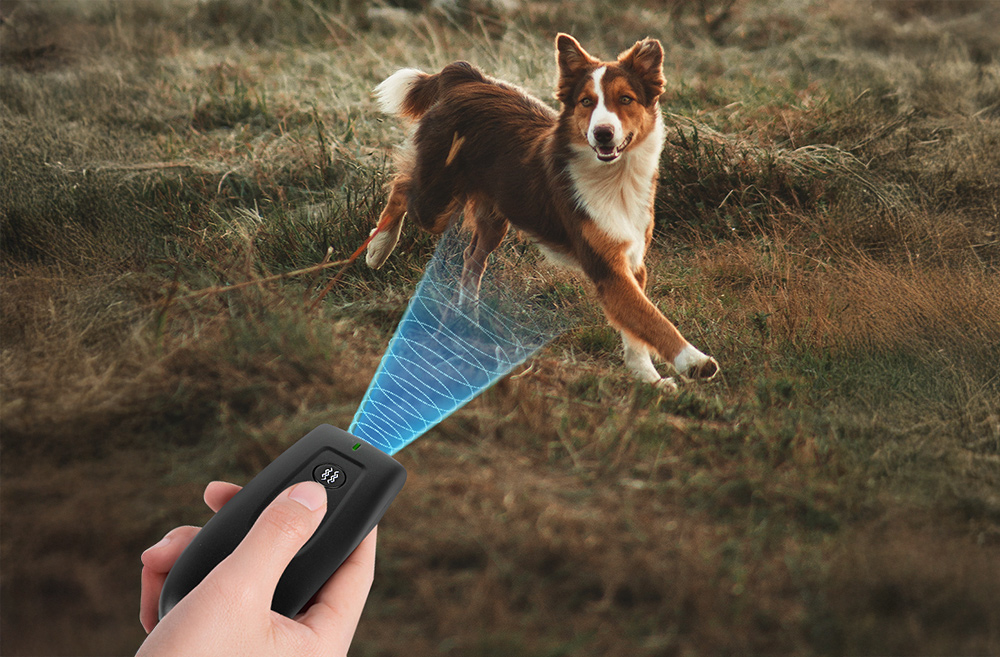
Generally, most veterinary behaviorists do not recommend ultrasonic bark devices for daily, long-term pet training due to anxiety risks and its nature as an aversive method. However, vets agree their recommendation depends heavily on the context.
Do Vets Recommend Ultrasonic Bark Stoppers?

This guide breaks down the four most effective dog barking training tool types, explains how to use them, and helps you pick the right fit for your dog.
What Dog Training Tools Help with Barking?


SEND MESSAGE
