
Are Ultrasonic Repellers Safe For Dogs? Understanding the Pros and Cons
author: Matthew TIZE
2025-02-18
As pet owners increasingly seek humane solutions to manage unwanted behaviors like excessive barking or boundary-testing, ultrasonic dog repellers have emerged as a popular tool. These devices claim to deter dogs using high-frequency sound waves inaudible to humans. But the question remains: are ultrasonic repellers safe for dogs, and do they deliver on their promises? This article explores how these devices work, their effectiveness, and key considerations for responsible use.
---
How Ultrasonic Dog Repellers Work
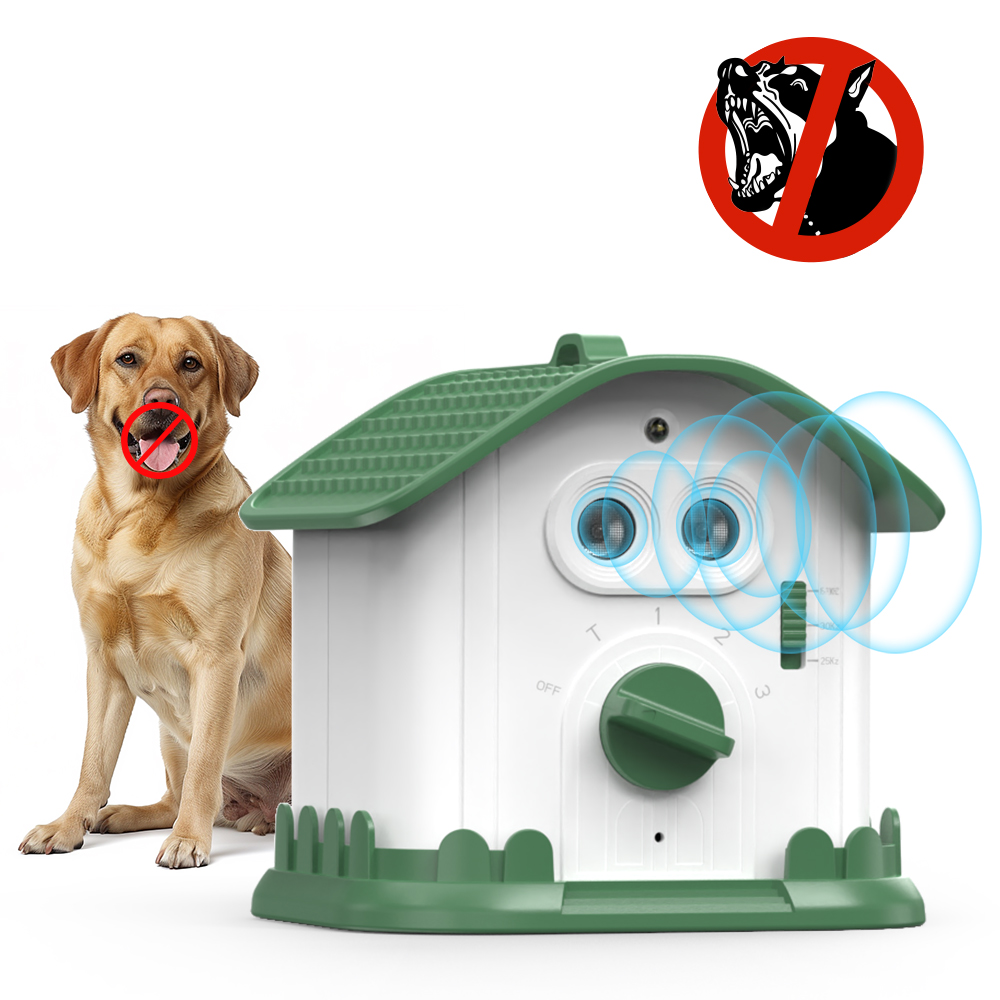
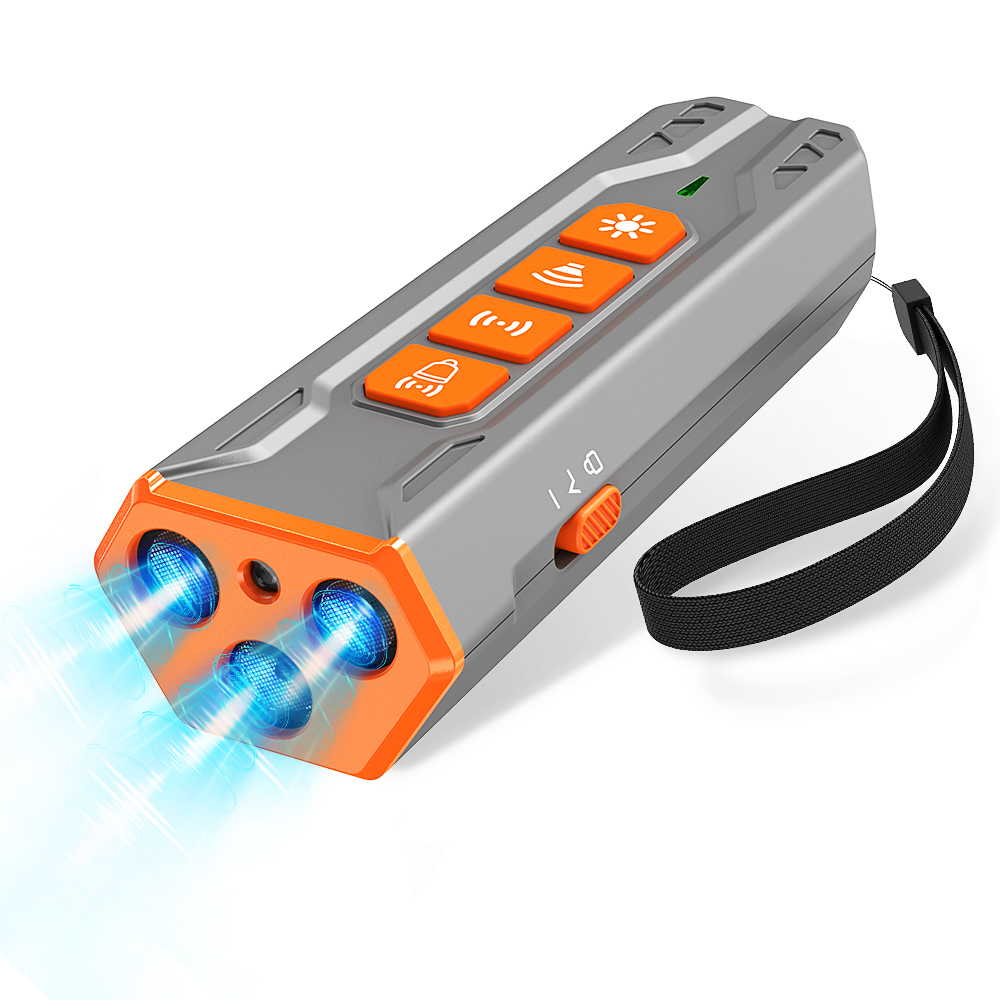
Ultrasonic repellers come in three primary forms:
1. Stationary Devices (for indoor/outdoor areas)
2. Handheld Units (portable for training)
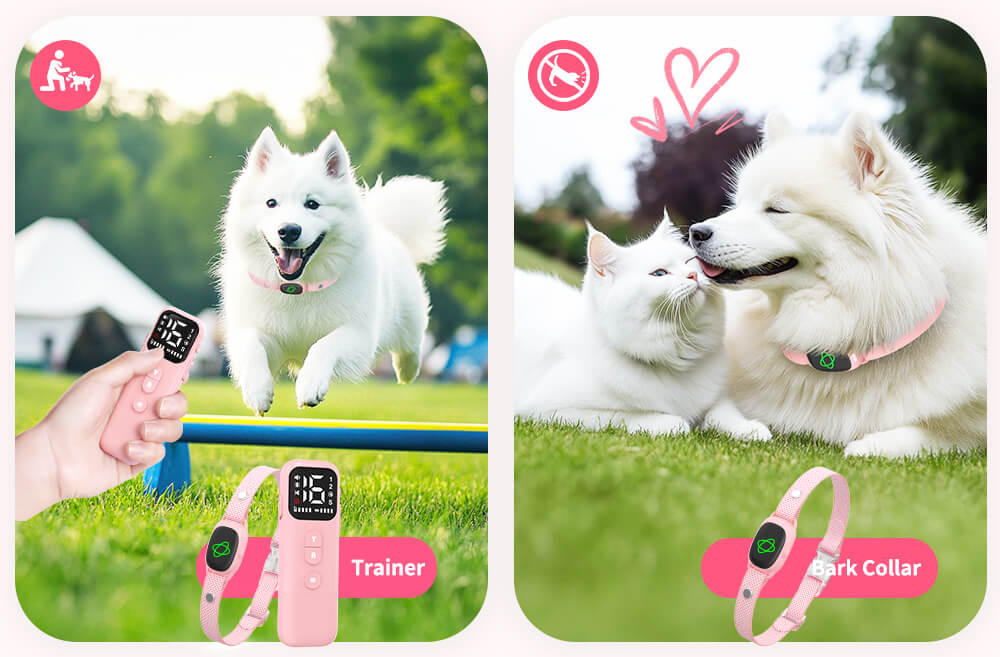
3. Collar-Mounted Systems (wearable correction)
All types emit sound waves between 20,000–25,000 Hz—a range dogs can hear but humans cannot. When triggered by barking or motion sensors, the sound interrupts the dog’s behavior, creating a distraction. Advocates argue this is gentler than shock collars, but skeptics question: are ultrasonic dog repeller safe long-term?
Effectiveness: Do These Devices Deliver?
The answer to "are ultrasonic dog repellers effective?" depends on context:
Pros:
- Immediate interruption of barking or digging.
- Useful for deterring stray animals from gardens.
- No physical harm when used correctly.
Limitations:
- Variable sensitivity: Some dogs habituate to the sound.
- Environmental interference: Wind or walls may weaken signals.
- Breed differences: Hearing range varies (e.g., senior dogs may not respond).
A 2020 study in Applied Animal Behavior Science found 68% of dogs reduced barking with consistent ultrasonic use, but results diminished without reinforcement training.

Safety Concerns: Balancing Risks and Benefits
The core debate centers on are ultrasonic repellers safe for dogs. Here’s what experts say:
Potential Risks
1. Stress Indicators: Prolonged exposure may cause panting, hiding, or loss of appetite in sensitive dogs.
2. Overuse: Continuous activation in multi-pet homes could create chronic anxiety.
3. Misapplication: Incorrect placement (e.g., near sleeping areas) disrupts rest.
Safety Best Practices
- Choose devices with adjustable frequency/volume.
- Limit use to specific scenarios (e.g., curbing fence-jumping).
- Pair with positive reinforcement for lasting behavior change.
Veterinarian Dr. Emily Carter notes: "Ultrasonic tools can be safe short-term aids, but they’re not substitutes for addressing root causes like boredom or anxiety."
User Guidelines: Maximizing Safety and Efficacy
To ensure ultrasonic dog repellers are safe and effective, follow these steps:
1. Test Responsively: Start with the lowest setting and observe your dog’s reaction.
2. Avoid Constant Use: Employ intermittent activation to prevent desensitization.
3. Combine Methods: Use alongside training commands ("quiet") and enrichment toys.
4. Monitor Stress Signals: Discontinue use if your dog shows agitation.
For households with multiple pets, opt for models that target specific zones rather than whole-room coverage.

Alternative Solutions
If ultrasonic devices feel unsuitable, consider:
- Citronella spray collars (scent-based deterrents)
- Vibration collars (tactile feedback)
- Professional training programs
Final Verdict
Ultrasonic repellers offer a non-invasive way to manage minor behavioral issues, but their safety and efficacy hinge on mindful application. While ultrasonic dog repellers are effective in many cases, they work best as part of a holistic training plan—not standalone fixes. Always prioritize your dog’s emotional well-being, and consult a vet or behaviorist if concerns arise.
By understanding both the science and the ethics behind these tools, pet owners can make informed choices that benefit both their furry companions and their peace of mind.
Does Ultrasonic Dog Repeller Really Work? A Comprehensive Guide
Are Ultrasonic Devices A Humane Way To Stop Dogs From Barking?
Related Article
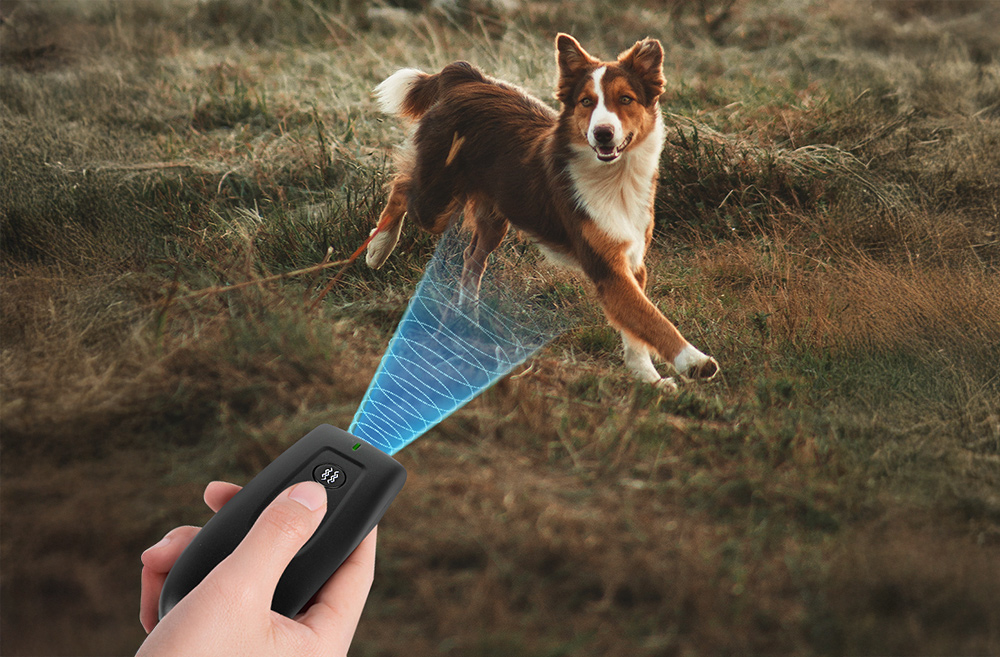
Generally, most veterinary behaviorists do not recommend ultrasonic bark devices for daily, long-term pet training due to anxiety risks and its nature as an aversive method. However, vets agree their recommendation depends heavily on the context.
Do Vets Recommend Ultrasonic Bark Stoppers?

This guide breaks down the four most effective dog barking training tool types, explains how to use them, and helps you pick the right fit for your dog.
What Dog Training Tools Help with Barking?

SEND MESSAGE
