Shock, Vibration, or Ultrasonic Bark Collars: Which is Best?
Excessive barking is one of the most common behavior problems faced by dog owners. Whether triggered by excitement, anxiety, or territorial instincts, constant barking or nuisance barking can disrupt your household—and your neighborhood.
One of the most popular tools for managing this issue is the anti-bark collar, a device designed to discourage unwanted barking through various correction methods. But with multiple types available—shock, vibration, and ultrasonic bark collars—many dog owners are left wondering: which one is best for their dog?
In this guide, we’ll break down the principles, pros and cons, and ideal use cases for each type of bark collar, helping you make an informed and compassionate choice.
How Bark Collars Work
Bark Detection Mechanism
Bark collars use either sound sensors, vibration sensors, or a combination of both to detect when a dog is barking. Sound sensors pick up the noise of barking, while vibration sensors detect the movement in the dog’s throat. Dual-sensor collars are often more accurate and reduce the chances of false triggers from other dogs or background noise.
Correction Mechanism
Once barking is detected, the collar activates a corrective mechanism:
- Shock collars deliver a static electric pulse.
- Vibration collars send a harmless vibration.
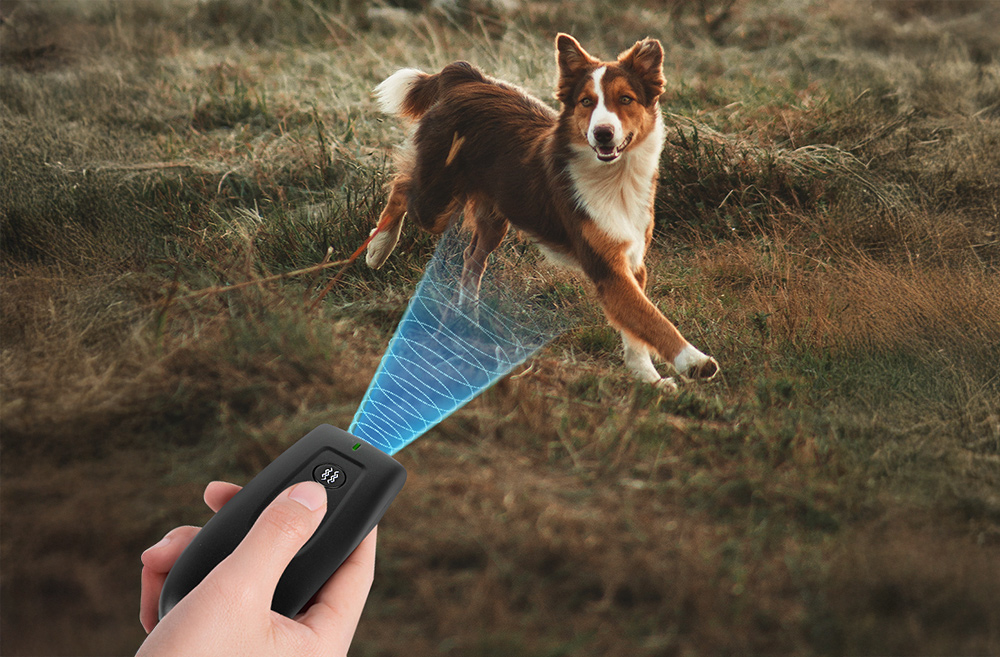
- Ultrasonic collars emit a high-frequency sound only dogs can hear.
Each type aims to interrupt barking and condition the dog to stop the behavior over time.

Shock Bark Collars
How They Work
Shock collars, also known as static collars, deliver a mild electric shock to the dog’s neck when barking is detected. The intensity can often be adjusted based on your dog’s size or sensitivity.
Pros
- Highly effective: Shock collars usually provide quick results, especially for dogs with persistent barking habits.
- Adjustable levels: Many models allow you to control the strength of the static correction, which helps tailor the response to your dog’s needs.
- Works well for stubborn dogs: Some dogs don’t respond to milder methods, making shock collars a more reliable option in those cases.
Cons
- May cause stress or fear: Electric stimulation can be uncomfortable or even frightening for some dogs, especially if used incorrectly.
- Risk of misuse: Improper settings or long-term use can lead to negative behavioral effects or health concerns.
- May harm your relationship with your dog: If overused, shock collars might reduce trust between the dog and owner.
Best For
- Large or strong-willed dogs
- Outdoor training situations
- Dogs that have not responded to other methods
Vibration Bark Collars
How They Work
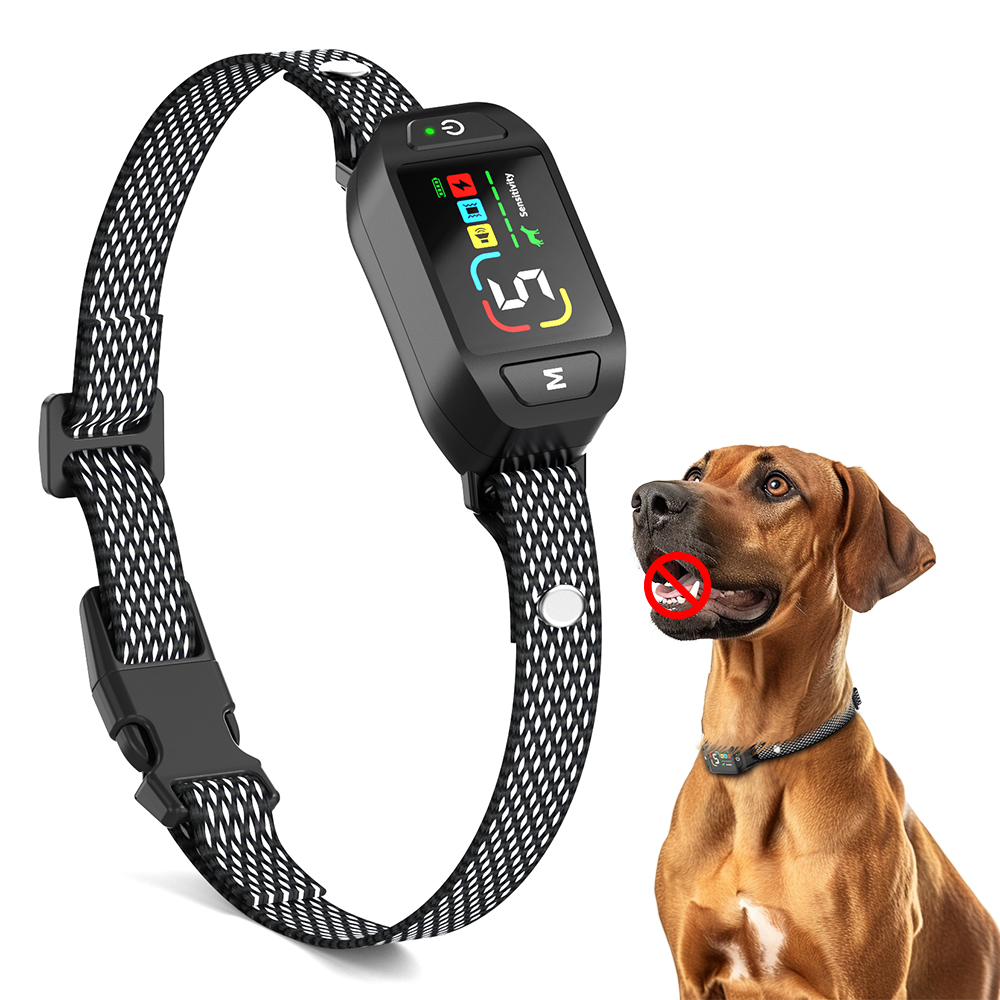
When barking is detected, the collar produces a gentle vibration, similar to the feeling of a smartphone buzzing. The goal is to startle or distract the dog, causing them to stop barking.
Pros
- More humane than shock: Vibration collars offer a milder form of correction that won’t physically harm the dog.
- Good for sensitive dogs: Dogs that are easily frightened or have anxiety may respond better to vibration than electric shock.
- Simple to use: Many models are straightforward and user-friendly.
Cons
- Less effective for stubborn barkers: Vibration may not be enough to stop barking in dogs with more intense behavior.
- Limited strength: The vibration may not be strong enough for large dogs or those with thick fur.
Best For
- Small- to medium-sized dogs
- Senior dogs or puppies
- Indoor environments and daily training
Ultrasonic Bark Collars
How They Work
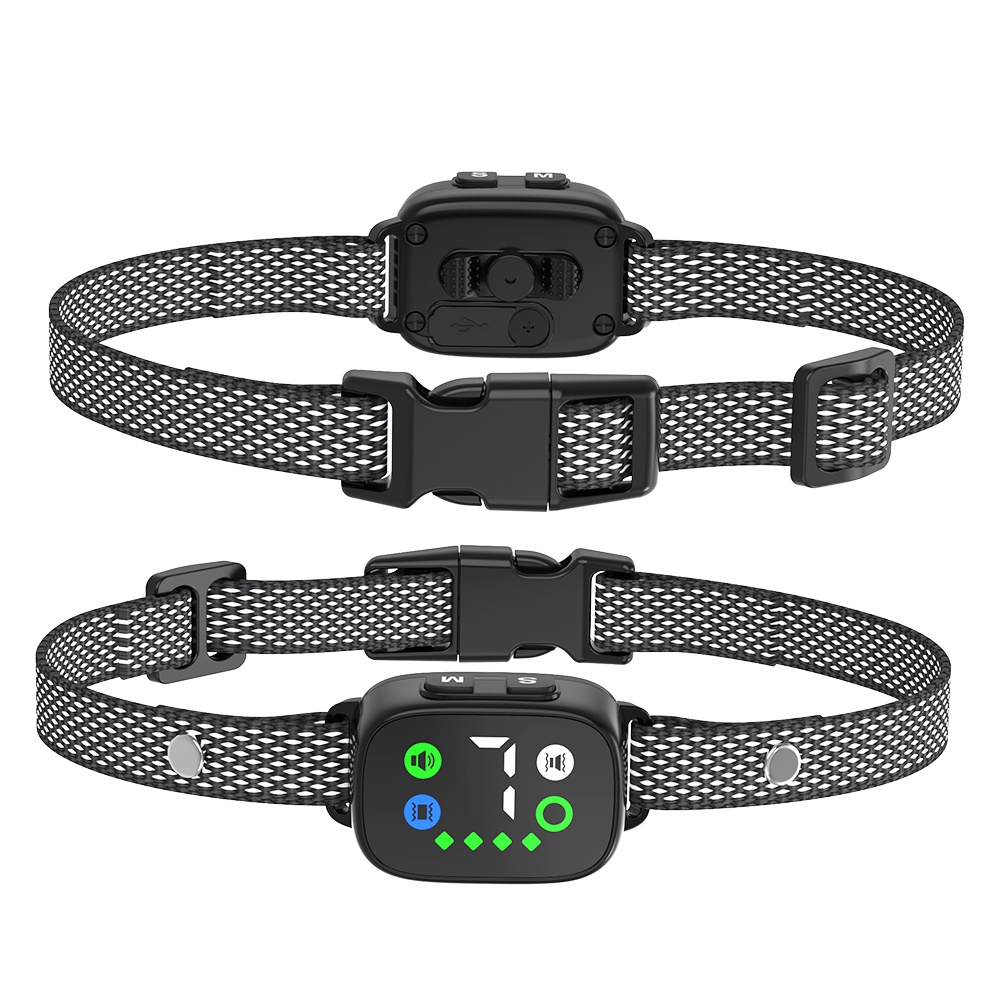
Ultrasonic collars emit a high-pitched sound when barking is detected. The sound is inaudible to humans but unpleasant to dogs, making it an effective way to interrupt barking behavior.
Pros
- No physical contact: These collars don’t touch or stimulate the dog physically, reducing stress and potential harm.
- Silent for humans: Since people can’t hear the sound, it won’t disturb your home environment.
- Eco-friendly and safe: No electricity or physical force makes this option appealing to safety-conscious owners.
Cons
- Effectiveness varies: Some dogs are not sensitive to ultrasonic sounds, especially as they age or if they have hearing issues.
Best For
- Small dogs or cats
- Quiet indoor environments
- Dogs that respond well to sound cues
Comparing the Three Types
Here’s a quick side-by-side comparison to help you visualize the key differences:
|
Feature |
Shock Collar |
Vibration Collar |
Ultrasonic Collar |
|
Stimulation Strength |
High |
Medium |
Low |
|
Safety Level |
Moderate |
High |
Very High |
|
Best for |
Large, stubborn dogs |
Sensitive, small dog breeds |
Indoor or sound-sensitive pets |
How to Choose the Right One
Choosing the right barking control collar depends on several factors:
1. Your Dog’s Size and Temperament
- Large, stubborn dogs: May need the stronger feedback from a shock collar.
- Small or anxious dogs: Often respond better to the gentle touch of vibration or sound.
- Cats or sound-sensitive pets: Ultrasonic collars may be ideal.
2. Your Training Environment
- Outdoor training: Shock collars are more effective in wide spaces with many distractions.
- Indoor settings: Ultrasonic or vibration collars work well in quiet, controlled environments.
3. Your Budget
- Looking to save? Vibration collars are generally the most affordable.
- Willing to invest in safety and technology? Ultrasonic collars often strike a good balance between cost and humaneness.
- Want fast results regardless of cost? Shock collars might be worth considering, especially for serious bark problems.
Important Tips for Safe Use
1. Prepare Before Use
- Always read the instruction manual carefully.
- Let your dog wear the collar without activating it for a day or two so they can get used to the feel.
2. Monitor Your Dog
- Watch for any signs of stress, discomfort, or changes in behavior.
- Stop using the collar immediately if you notice anything unusual.
3. Don’t Rely on the Collar Alone
- Combine the collar with positive reinforcement (like treats or praise) to teach better behavior.
- Use the collar as a training aid, not a long-term crutch.
4. Keep It Clean and Functional
- Check the battery, buttons, and sensors regularly.
- Clean the collar with a soft cloth to keep it hygienic and effective.
Conclusion
Choosing the right bark collar is not just about effectiveness—it's about your dog’s safety, comfort, and long-term well-being. Shock, vibration, and ultrasonic bark collars each have their place, but it’s crucial to evaluate your dog's needs, temperament, and your own dog training goals.
Use any training tool with care, and remember: the best training is built on patience, understanding, and love. A collar is a helper, not a solution by itself. Your dog deserves a method that teaches without fear.
Bark Collars for Puppies: Is It Too Early?
Best Bark Collars for Small Dogs in 2025
Related Article