How Outdoor and Indoor Ultrasonic Bark Control Devices Differ
Outdoor Ultrasonic Bark Control devices work best outside, while indoor models fit your home environment. Both use ultrasonic sound to stop barking, but you need to match the device to your space. >
Choosing the right type helps you address barking effectively and keeps your surroundings peaceful.
Key Takeaways
Indoor Devices

How They Work
Indoor ultrasonic bark control devices help you manage your dog's nuisance barking inside your home. Designed primarily for indoor use, they are usually small in size and have an appearance that blends well with the home environment.
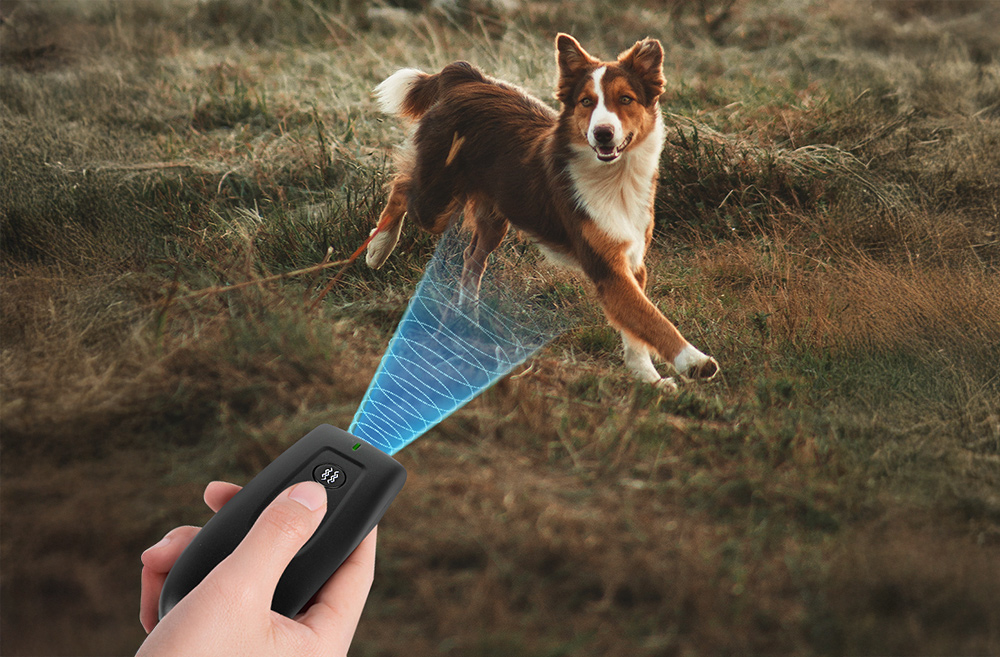
For example, some indoor devices can be placed on a table or plugged into a power socket. These devices use a built-in microphone to detect barking. When your dog barks, the device emits an ultrasonic sound. You cannot hear this sound, but your dog finds it unpleasant. This sound acts as negative reinforcement. Over time, your dog learns to bark less to avoid the noise.
Note: Some devices may trigger when they pick up loud human voices, such as yelling.
Pros
- You can use these devices without training or special skills.
- The ultrasonic sound does not hurt your dog.
- Most units work quietly and do not disturb your family.
- You can place them in different rooms as needed.
- Many users report less barking within a few days.
- The installation is flexible. It can be placed on a table, on the floor. Some are portable for easy movement between rooms.
- Devices like the TIZE Indoor Bark Control offer multiple working ranges and ultrasonic frequency settings.
|
Feature |
Details |
|
Coverage Area |
15-50feet (about 1-2 rooms indoors) |
|
Effectiveness |
Most dogs bark less within a few days |
|
User Review Summary |
Device automatically emits ultrasonic tone when dog barks; users report reduced excessive barking |
Cons
- Some devices may trigger from loud noises, not just barking.
- The range is limited, so you may need more than one device for a large home.
- Not all dogs respond to ultrasonic sound. Some may ignore it.
- Devices can drain batteries quickly if triggered often.
- User reviews show mixed results. Some people see great results, while others notice little change.
- Dogs can get used to the sound after several weeks, which reduces effectiveness.
- You may find it hard to know if the device is working, since you cannot hear the sound.
Best Uses
You should use indoor bark control ultrasonic devices if you want to stop barking in specific rooms, such as the living room or bedroom. These devices work best for small to medium-sized homes. They help if your dog barks at visitors, noises, or when left alone.
You can also use them if you want a humane and quiet solution. If you have more than one dog, you may need to test if all your pets respond. Indoor devices are not ideal for very large spaces.
Tip: Place the device in the area where your dog barks most often for the best results. Make sure it's not obstructed by furniture, as furniture can affect the propagation of ultrasonic waves and the function of the device.
Outdoor Ultrasonic Bark Control

How They Work
Outdoor Ultrasonic Bark Control devices help you manage barking in your yard or garden, as well as block out the neighbor's dog barking nearby. Most outdoor ultrasonic bark control devices operate on the same principles and have similar core components as indoor ones.
Some pro models use advanced sensors to detect barking, such as microphones, infrared sensors, and sometimes even GPS sensors. When the device hears a bark, it checks the sound with a two-step process. First, it takes a short sample and checks if it matches a barking pattern. Then, it listens again to confirm the sound. This helps reduce false triggers from other noises.
Many outdoor ultrasonic bark control devices offer adjustable ultrasonic frequency and range settings. The device is only effective within its specified range. It is recommended to start with a lower frequency and observe your dog’s response. Then, gradually adjust the frequency until you find the most suitable one for your dog.
|
Feature/Component |
Description/Details |
|
Sensors Included |
Microphones, infrared/GPS/proximity sensors(optional) |
|
Bark Detection Method |
Microphones(most devices on the market) Two-step audio sampling for accurate bark detection(some models) |
|
Function Settings |
With adjustable range and ultrasonic frequency setting |
|
Activation Modes |
Automatic on bark detection |
|
Power Management |
Rechargeable battery, low-power operation |
|
Water Resistance |
Most models are weatherproof, but not all are fully waterproof |
Note: Outdoor Ultrasonic Bark Control devices are not recommended for indoor use. Indoor sounds like TVs, voices, or appliances can trigger the device by mistake.
Pros
- You can cover large outdoor areas, such as gardens, patios, or yards.
- Devices often include weatherproof features, so you can leave them outside in rain or sun.
- Many models let you adjust the detection range and switch ultrasonic frequency.
- Some devices use random light signals and sound patterns to prevent your dog from getting used to the deterrent.
- You can protect your property from both your dog's barking and unwanted animal visitors.
Cons
- The Outdoor Bark Control Ultrasonic device may be triggered by other loud noises, or its effectiveness may be affected by weather conditions such as wind and rain.
- You may need to maintain the device, such as charging batteries or cleaning sensors.
- Some models are expensive and require regular upkeep.
- Not all devices are fully waterproof. Heavy rain or snow can damage some units.
- You should not use these devices indoors. Indoor environments cause too many false triggers.
Best Uses
You should use Ultrasonic Outdoor Bark Control devices if you want to manage barking in large, open spaces. These devices work best in fenced yards, gardens, or areas where your dog spends time outside. You can use them to protect lawns, gardens, or feeding areas from barking and also help keep stray dogs away from your property.
Tip: Place the device near the area where your dog barks most. Adjust the range to match your yard size and the ultrasonic frequency to suit your dogs. Check the device regularly to make sure it works well in all weather.
Key Differences
Design
Indoor devices look small and blend into your home. You can place them on a table or shelf. Most have a simple design with one or two buttons. Outdoor Ultrasonic Bark Control devices look tougher. You often see them shaped like birdhouses or boxes. These devices use weatherproof materials to handle rain and sun. You may find extra features like flashing lights or mounting brackets.
Range
Indoor devices cover a short distance. You usually get about 15 feet of coverage, which works for one or two rooms. Outdoor Ultrasonic Bark Control devices reach much farther. Some models cover up to 50 feet or more. You can adjust the range on many outdoor units. This helps you target specific areas in your yard.
Suitability
You should use Indoor devices for barking inside your house. They work best in small spaces. Outdoor devices fit large yards, gardens, or patios. You can use them to stop barking outside and stop neighbor's dog barking in seconds. Indoor devices do not work well outside. Outdoor models may trigger too often if you use them indoors.
Example Products
Here are some popular options:
|
Device Type |
Example Product |
Notable Feature |
|
Indoor |
PetSafe Indoor Bark Control |
Compact, Easy to use, Weatherproof |
|
Outdoor |
TIZE Outdoor Ultrasonic Bark Control |
Adjustable range, Birdhouse design |
|
2-IN-1 |
Stationary Ultrasonic Bark Control Device |
Most powerful, long range |
Choosing the Right Device
Factors to Consider
When you choose an ultrasonic bark control device, you need to look at several important factors. These help you find a product that fits your needs and works well for your dog.
- Laws and Regulations: Check local rules about animal welfare and noise control. Some areas have strict laws about pet devices.
- Smart Features: Many people want smart devices. Look for options with IoT or AI, like app controls or learning features.
- Home and Dog Size: Think about your home size and your dog's breed. Indoor devices work best in small spaces. Outdoor models cover larger areas.
- Market Trends: The market for bark control devices is growing fast. In 2022, it was worth $1.2 billion. Experts expect it to reach $2.5 billion by 2030. This means you have more choices now than ever.
- Location: Needs change by region. Some places need weatherproof devices. Others focus on eco-friendly or cruelty-free options.
- Budget and Alternatives: Compare prices. Some devices cost more because of extra features. You can also look at other bark control solutions, like training or traditional collars.
Tip: Make a list of your needs before you shop. This helps you pick the right device for your home and your dog.
Common Mistakes
Many people make mistakes when they buy effective bark control products. You can avoid these by learning what to watch for.
- Ignoring Local Laws: Some buyers forget to check if the device is legal in their area.
- Choosing the Wrong Type: People sometimes use outdoor devices inside, which causes false triggers.
- Overlooking Range: If you pick a device with too short a range, it will not cover your space.
- Not Considering Dog Sensitivity: Some dogs do not respond to ultrasonic sound. Test the device if possible.
- Skipping Reviews: Always read reviews, especially for brands like TIZE. Reviews show how well the device works in real homes.
Remember: The right device keeps your dog happy and your home peaceful. Take your time and choose wisely.
You can choose the best bark control device by matching it to your space and your dog’s needs. The table below shows how indoor and Outdoor Ultrasonic Bark Control devices work in different places. Always read product reviews before you decide.
|
Device Type |
Effective Environment |
Key Advantages |
Limitations |
|
Indoor Ultrasonic Bark Control |
Small indoor spaces |
Easy to use; safe; works in one room |
Less effective in large spaces |
|
Outdoor Ultrasonic Bark Control |
Larger outdoor areas |
Weatherproof; covers more ground |
Wind can reduce sound reach |
FAQ
How to Buy Best Ultrasonic Dog Repellers
Do Dog Bark Deterrent Devices Work?
Related Article