Do Vets Recommend Shock Collars for Dogs? What You Should Really Know
Shock collars for dogs are one of the most controversial training tools in the pet industry. Some people see them as cruel, while others consider them an effective way to control dangerous or hard-to-train behaviors. So the real question is: do vets recommend shock collars for dogs?
The answer is not simply yes or no. Most veterinarians and professional trainers do not recommend shock collars as a first option—but many do support their controlled, responsible use when other training methods fail or when a dog’s behavior becomes a safety risk.
In this article, we’ll explore what vets really think about shock collars, how they work, whether they hurt dogs, and how to use them properly and safely.
What Is a Shock Collar for Dogs?
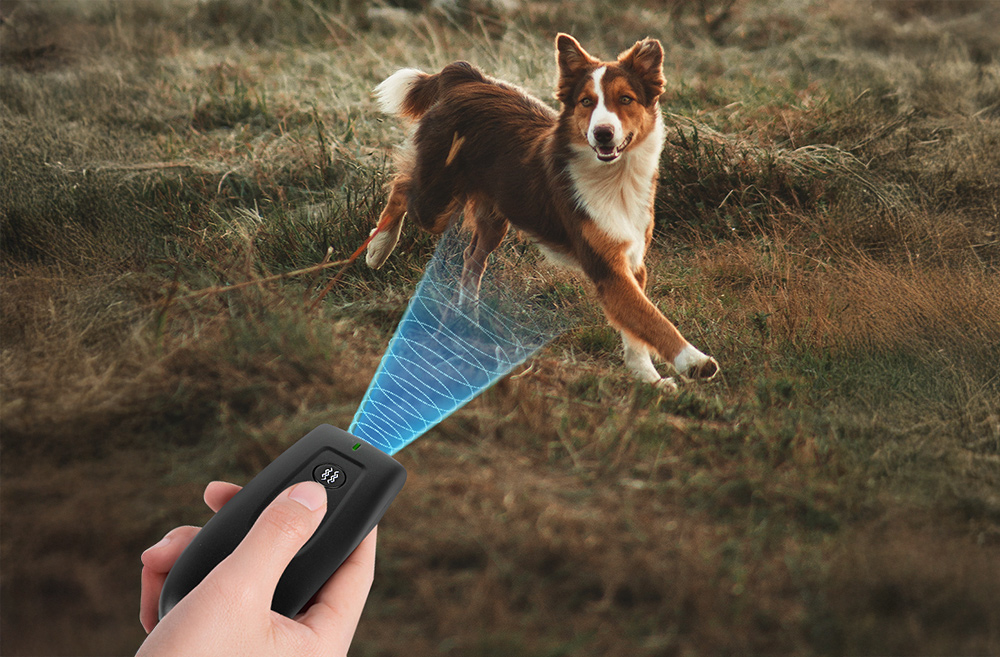
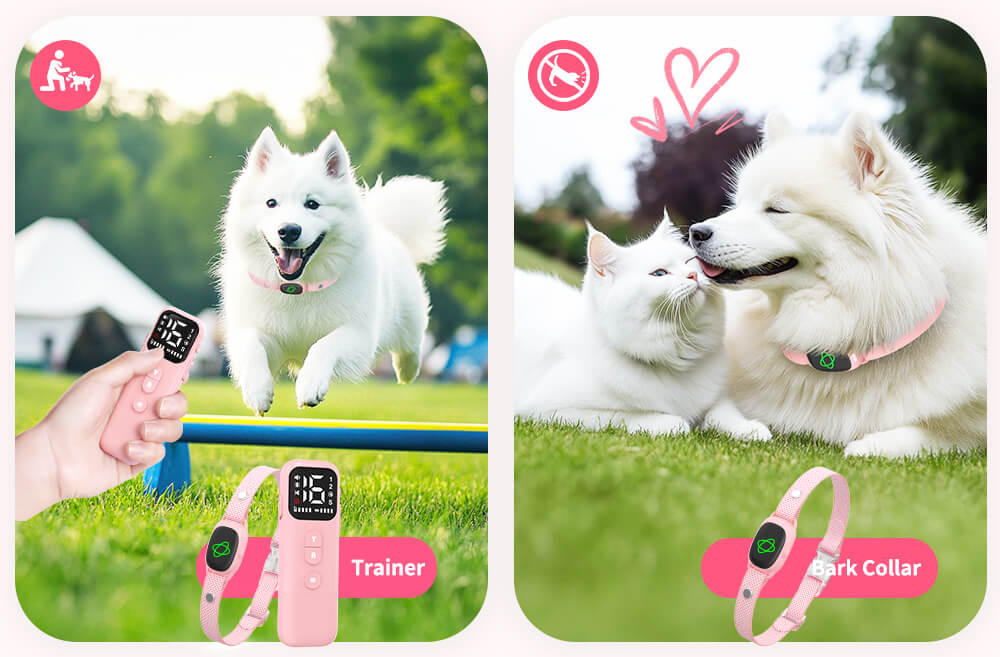
A shock collar for dogs (also called a remote training collar or electronic collar) is a wearable device that delivers a mild electrical stimulation, vibration, or sound to get a dog’s attention.
Modern collars are very different from the outdated “high-shock” devices people often imagine. Today’s dog shock collar with remote usually includes:
- Beep or sound mode
- Vibration mode
- Adjustable static stimulation (shock) levels
Some models are also designed as a dog shock bark collar, which automatically activates when excessive barking is detected.
The purpose of these collars is not to punish dogs, but to interrupt unwanted behavior and reinforce training commands from a distance.
Do Vets Recommend Shock Collars for Dogs?
Most veterinarians agree on three things:
- Shock collars should never be used as the first training method
- They should never be used to cause fear or pain
- They can be effective tools when used correctly, under proper guidance
In real veterinary practice, shock collars are often suggested in cases such as:
- Dangerous aggression
- Chasing cars or wildlife
- Recall failure (dogs running away)
- Excessive, uncontrollable barking
In these situations, vets see shock collars as a safety and communication tool, not a punishment device.
Why Some Vets Support Controlled Use of Shock Collars
Many modern veterinarians and trainers recognize that dog training using a shock collar can be helpful when other methods fail.
Here’s why:
- They work at long distances where voice commands don’t
- They provide instant feedback
- They help stop dangerous behavior immediately
- They improve off-leash control
When used properly, training dogs with a shock collar can actually reduce stress, because the dog learns clear boundaries and expectations.
Does a Shock Collar Hurt a Dog?
This is one of the most common questions:
Does a shock collar hurt a dog?
With modern devices, the answer is usually no—when used correctly.
Low-level stimulation feels similar to a mild muscle pulse or vibration, much like a TENS unit used in physical therapy. It is designed to get attention, not cause pain.
Problems only occur when:
- The stimulation is set too high
- The collar is used for punishment
- The dog is shocked repeatedly without guidance
That is why veterinarians emphasize proper training and correct settings.
When Shock Collars Can Be Harmful
Even vets who accept shock collars agree they can be harmful when misused.
Risks occur when:
- The collar is used in anger
- High levels are applied unnecessarily
- The dog doesn’t understand why stimulation is happening
- It replaces real training instead of supporting it
A shocking collar for dogs should never be used to express frustration. It must always be paired with commands, timing, and reward-based training.
How to Train a Dog With a Shock Collar the Right Way
If you plan on using a shock collar to train a dog, follow these vet-approved steps:
Step 1 – Start With Beep or Vibration
Always begin with sound or vibration before using shock.
Step 2 – Find the Dog’s Working Level
Set the stimulation to the lowest level your dog can feel, not react to.
Step 3 – Pair With Commands
Say the command first, then apply stimulation if the dog ignores it.
Step 4 – Reward Good Behavior
Once your dog responds, reward with praise or treats.
This is how you properly use a shock collar on a dog—as a communication tool, not punishment.
Shock Collar vs Positive Reinforcement
Vets do not see shock collars and positive reinforcement as opposites.
The best results come from combining both.
- Treats and praise build motivation.
- Shock collars provide control and safety.
Together, they create clear communication between dog and owner.
What Is the Best Shock Collar for Dogs?
According to veterinary and trainer standards, the best shock collar for dogs should have:
- Adjustable stimulation levels
- Beep and vibration modes
- Stable long-range remote signal
- Waterproof design
- Safety lock
- Comfortable, durable materials
At TIZE, we design and manufacture professional-grade dog shock collars that meet these standards for global brands, wholesalers, and training product companies.
Are Shock Bark Collars Recommended by Vets?
A dog shock bark collar is often recommended for dogs with chronic, uncontrollable barking—especially in apartments or urban environments.
Vets support bark collars when:
- Barking is stress-related or compulsive
- Other training methods fail
- The collar has adjustable sensitivity and safe levels
Automatic bark collars work best when combined with behavior training.
Should You Use a Shock Collar on Your Dog?
A shock collar may be appropriate if:
- Your dog shows dangerous behavior
- Recall training has failed
- Barking is severe
- You follow proper training techniques
It should not be used for:
- Puppies
- Fear-based training
- Anger or punishment
FAQs about Shock Collars for Dog
Do vets recommend shock collars for aggressive dogs?
Yes — in some cases. Veterinarians and professional trainers may recommend a shock collar for aggressive dogs when the behavior creates a safety risk and other training methods have failed. Shock collars allow trainers to interrupt dangerous actions immediately, even at a distance. However, vets emphasize that shock collars should always be used together with behavior training and professional guidance.
Does a shock collar hurt a dog?
A properly used shock collar does not hurt a dog.
Modern dog shock collars deliver very low-level stimulation designed to get the dog’s attention, similar to a muscle pulse. Pain, fear, or injury only occurs when the collar is misused, set too high, or used as punishment rather than training.
Can a shock collar stop barking?
Yes. A dog shock bark collar is one of the most effective tools for controlling excessive barking. These collars automatically detect barking and apply a gentle vibration, sound, or stimulation to interrupt the behavior. Veterinarians often recommend bark collars when barking becomes disruptive, stressful, or uncontrollable.
How long should a dog wear a shock collar?
A dog should only wear a shock collar during training sessions.
Most vets recommend using the collar for short, controlled periods—typically 30 to 60 minutes per session—and never leaving it on all day. The goal is to teach the dog, not to rely on the collar permanently.
Are shock collars cruel for dogs?
No — shock collars are not cruel when used correctly.
Cruelty comes from misuse, not from the device itself. When a shock collar is used responsibly, with proper settings and training techniques, it becomes a communication tool that improves safety and behavior. Many veterinarians agree that responsible use is far more humane than allowing dangerous or destructive behavior to continue.
Final Verdict: What Vets Really Think About Shock Collars
So, do vets recommend shock collars for dogs?
Most veterinarians agree on this:
Shock collars are not cruel when used correctly. They are powerful tools that must be handled responsibly, ethically, and as part of a complete training program.
When designed properly and used the right way, shock collars help protect dogs, owners, and the people around them.
Looking for Professional-Grade Dog Shock Collars?
TIZE is a specialized manufacturer of dog training and bark control devices, offering OEM, wholesale, and private label solutions for global pet brands.
If you’re looking for safe, customizable, and reliable shock collar solutions for your business, TIZE is ready to support you.
What Is the Best Anti Bark Collar for Small Dogs?
What Is a 2-in-1 Wireless Fence & Dog Training Collar?
Related Article