What Is the Best Bark Collar for a Dog?
If your dog’s barking has become excessive and is disturbing your neighbors, your sleep, or your peace of mind, you may have considered getting a bark collar. But with so many options on the market—shock, beep, vibration, ultrasonic, remote-controlled—it can be difficult to decide which one is right for your pet.
In this blog, we’ll explore the different types of bark collars, their advantages and disadvantages, and the best use scenarios for each. We’ll also give you a conclusion on which bark collar might be the best based on various needs.
What Types of Bark Collars Are Available?
1. Beep Vibration Bark Collar
This type of bark collar is designed to deter barking through a combination of sound alerts and gentle vibrations. When your dog begins to bark excessively, the collar emits a warning beep followed by a mild vibration, which serves as a non-invasive method to discourage the behavior.
- Pros: It provides a humane training experience without the use of static shock, making it especially suitable for dogs with a sensitive temperament or for owners who prefer positive training tools.
- Cons: Its effectiveness may be limited when used on highly stubborn or aggressive barkers.
- Best for: This collar is ideal for small to medium-sized dogs or for pet owners who are introducing bark control for the first time.
2. Bark Collar with Color Screen Display
A bark collar equipped with a color screen display offers an advanced, user-friendly interface that allows you to monitor the device's battery life, correction mode, and sensitivity settings in real time. This ensures precise adjustments to suit your dog’s barking patterns.
- Pros: The display enhances convenience and control, particularly for those who appreciate technological features in training tools.
- Cons: Devices with color screens are generally more expensive compared to basic models and may include functions that are unnecessary for casual users.
- Best for: Pet owners who value modern design and customizable training modes will benefit from this type of collar.
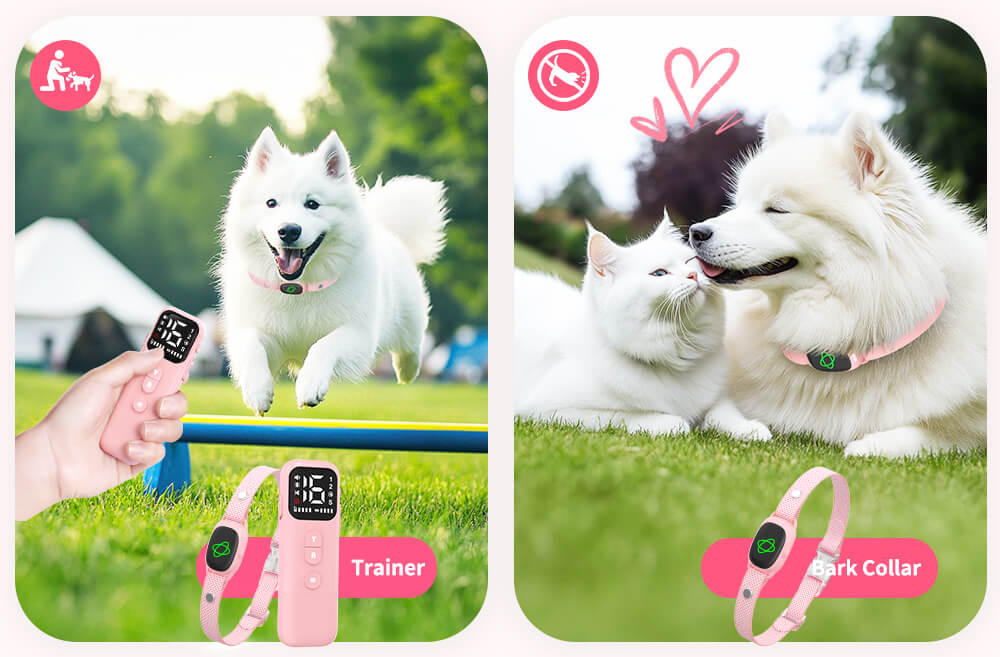
3. Dog Bark Collar with Remote
This bark collar includes a handheld remote control that enables the owner to manually trigger corrections when their dog barks or displays other undesirable behaviors. The real-time intervention helps reinforce training when timed correctly.
- Pros: The ability to manually correct unwanted behaviors allows for versatile training beyond just bark control, including obedience and behavior management.
- Cons: The collar's effectiveness depends on the owner's attentiveness and timing, making it less suitable for passive or busy users.
- Best for: This model is highly recommended for dog trainers or pet owners who are actively involved in behavioral correction and want direct control over training sessions.
4. Mini Bark Collar for Small Dogs
Mini bark collars are specifically engineered for small dog breeds, with lightweight construction and a compact design that comfortably fits tiny necks without restricting movement.
- Pros: Due to their size and gentle output, they provide a comfortable and safe solution for petite dogs that cannot wear standard bark collars.
- Cons: Their limited correction power makes them ineffective for medium or large dogs.
- Best for: Small dogs under 15 pounds such as Chihuahuas, Yorkies, or Dachshunds will benefit most from this type of collar.
5. Dog Bark Shock Collar
This term typically refers to automatic bark collars that activate correction (such as beeping, vibration, or static) once barking is detected, without the need for a remote. These collars are available in various configurations and correction levels.
- Pros: They are convenient, easy to use, and widely available across different price ranges and functionalities.
- Cons: Since quality and effectiveness can vary greatly between brands, some models may not perform consistently or may be overly sensitive.
- Best for: Dog owners looking for an entry-level or everyday solution to manage excessive barking may find this option the most accessible.
6. No Shock Bark Collar
As the name suggests, this type of collar does not include electric shock as a form of correction. Instead, it relies solely on safer alternatives such as beeping, vibration, or citronella spray to reduce barking behavior.
- Pros: It is considered a humane and ethical training choice, suitable for dog owners who wish to avoid any form of aversive conditioning.
- Cons: The absence of stronger correction levels may result in slower behavior modification in particularly stubborn dogs.
- Best for: Puppies, senior dogs, and dogs with anxiety issues are good candidates for this type of collar.
7. Waterproof Bark Collar
This collar is built with waterproof or water-resistant materials, allowing it to function effectively even in wet conditions such as rain, puddles, or while the dog is swimming.
- Pros: Its rugged design ensures long-lasting performance in outdoor settings and makes it ideal for dogs with active lifestyles.
- Cons: Waterproof models are often slightly bulkier due to sealed battery compartments and reinforced casings.
- Best for: Dogs that frequently play outdoors, live in rainy regions, or enjoy swimming will benefit from the durability of a waterproof design.
8. Rechargeable Bark Collar for Large Dogs
This model is specifically designed for large-breed dogs, featuring a more robust structure and stronger correction output. It also includes a rechargeable battery system, reducing the cost and hassle of frequent battery replacement.
- Pros: With increased power and longer battery life, this collar is highly effective for controlling the barking behavior of strong, determined dogs.
- Cons: It may be unsuitable or too powerful for smaller or more sensitive dogs.
- Best for: Large breeds such as German Shepherds, Labradors, and Huskies that require firm but fair correction will benefit from this collar type.
9. Ultrasonic Bark Collar
This collar detects barking and emits a high-frequency sound that is unpleasant to dogs but inaudible to humans. The sound aims to interrupt and discourage barking without physical contact or shock.
- Pros: It is a fully contactless solution, making it a safe and gentle option for dogs that do not tolerate collars well.
- Cons: Its effectiveness can vary depending on the dog’s hearing sensitivity and tolerance to ultrasonic frequencies.
- Best for: Apartment dwellers or households with multiple dogs may prefer this method due to its silent operation and non-invasive nature.
Other Bark Control Options
10. Automatic Bark Control Devices (Non-collar)
These are stationary units that detect barking within a certain radius and automatically emit a correction sound—typically ultrasonic—to quiet the dog without any physical device worn on the neck.
- Pros: It’s an excellent solution for households with multiple dogs, as it eliminates the need for separate collars for each pet.
- Cons: It may inadvertently affect other pets in the environment, especially those not responsible for the barking.
- Best for: Owners who want hands-off control of barking indoors or in enclosed outdoor areas like backyards.
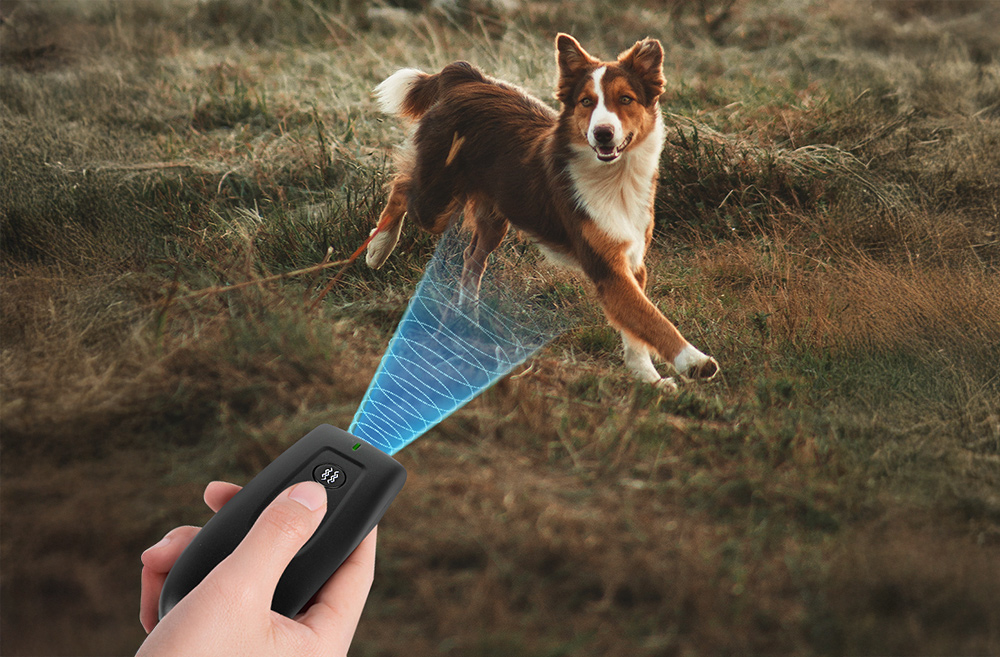
11. Handheld Ultrasonic Bark Deterrent
This handheld device allows pet owners to emit an ultrasonic signal manually whenever the dog barks or exhibits unwanted behavior. It offers immediate, precise correction without contact.
- Pros: It’s portable, easy to use, and effective for on-the-go training in parks, on walks, or in unfamiliar settings.
- Cons: It requires the owner’s presence and proper timing for it to be effective.
- Best for: Pet owners or professional trainers who are actively involved in daily training sessions.
What Is the Best Bark Collar for a Dog?
Ultimately, the best bark collar depends on your dog’s size, behavior, environment, and your preferred training method. Here's a quick overview to guide your decision:
|
Training Need |
Recommended Collar Type |
|
Small or sensitive dogs |
Mini Bark Collar No Shock Bark Collar |
|
Large or stubborn dogs |
Rechargeable Bark Collar Remote-Control Collar |
|
Active training and behavior correction |
Remote Bark Collar Handheld Deterrent |
|
Humane, no-contact correction |
Ultrasonic Bark Collar Automatic Device |
|
Durable and outdoor use |
Waterproof Bark Collar |
|
Simple, daily use |
Dog Bark Collar with beep vibration modes |
Best Overall Recommendation:
For most families, a rechargeable beep & vibration bark collar with adjustable sensitivity offers a balanced solution that combines humane training, reliable performance, and easy customization.
Final Thoughts
When choosing a bark collar, it's essential to prioritize your dog's comfort and safety. Start with the least invasive option, monitor your pet's response, and gradually adjust settings or switch devices if necessary. If you're unsure, consulting a veterinarian or certified dog trainer can help you make the most informed decision.
With the right bark collar, you can train your dog more effectively, reduce stress for both of you, and enjoy a quieter, happier home environment.
How to Train a Dog with a Shock Collar
Bark Collars for Puppies: Is It Too Early?
Related Article