Bark Collar FAQs: Everything Dog Owners Need to Know
Excessive barking is one of the most common behavior problems dog owners struggle with. When barking becomes continuous, disruptive, or stressful for both the owner and neighbors, many pet parents start looking for an effective solution like a bark collar. However, there are also many questions and concerns surrounding anti-bark collars—Are they safe? Do they work for all dogs? Are bark collars cruel?
In this comprehensive guide, we answer the most frequently asked questions about bark collars, so you can make an informed decision and choose the best option for your dog.
1. What Is a Bark Collar?
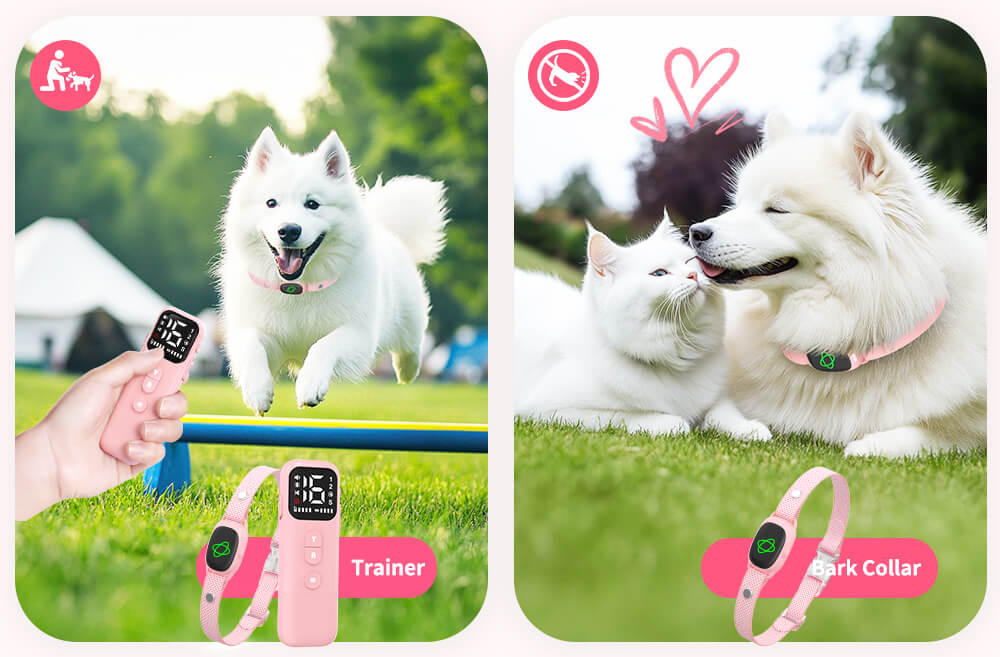
A bark collar (also known as an anti-bark collar) is a training device designed to reduce or stop excessive barking. It uses built-in sensors to detect barking and automatically delivers a correction such as vibration, beep, spray, or mild static stimulation.
The goal is to interrupt the barking behavior and help the dog learn to stay quiet.
2. How Does a Bark Collar Work?
Modern anti-bark collars detect barking through:
- Sound detection – picking up barking noise
- Vibration detection – sensing throat movement
- Dual detection – combines sound + vibration for higher accuracy
When barking is detected, the collar automatically delivers a preset correction mode. This immediate feedback helps the dog associate excessive barking with an unpleasant but harmless consequence.
3. What Does a Bark Collar Do?
A bark collar provides behavioral correction by discouraging unnecessary barking. It helps:
- Reduce nuisance barking when the owner is not home
- Stop repetitive barking triggered by noise or excitement
- Train the dog to stay calm in normal daily environments
A good bark collar does not aim to stop all barking, only excessive or inappropriate barking.
4. Does a Bark Collar Hurt a Dog?
A properly designed and correctly used anti-bark collar does not hurt dogs.
- Vibration collars and beep collars are completely pain-free.
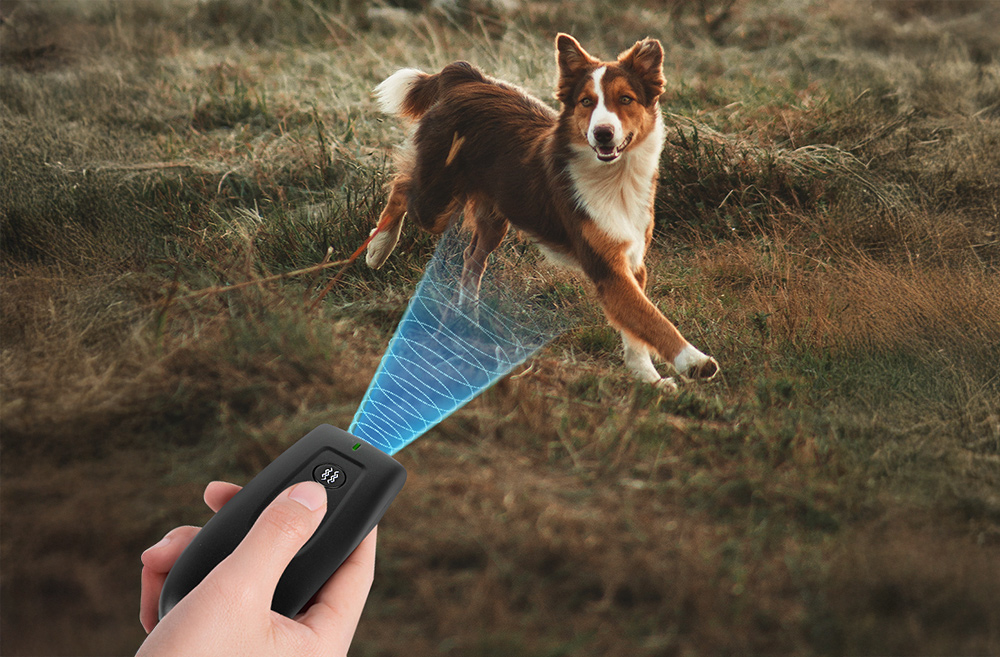
- Ultrasonic bark collars only emit a harmless, high-frequency sound that is safe for dogs and humans.
- Static collars produce a mild, adjustable stimulation similar to a light static shock, not an electric shock.
Reputable manufacturers design bark collars with:
- Auto-protection modes
- Adjustable sensitivity
- Safety-cutoff features
This ensures the correction is safe and humane.
5. Is a Bark Collar Cruel?
A bark collar is not cruel when used correctly.
The key is choosing the right type, using the lowest effective level, and avoiding long-term continuous wear.
Cruelty concerns come from improper use, such as:
- Setting intensity too high
- Using static collars on anxious or very young dogs
- Leaving the collar on 24/7
When used responsibly, bark collars are considered safe, humane, and effective by many trainers.
6. Does a Bark Collar Work for Howling?
Yes, many bark collars can work for howling, especially those with:
- High-sensitivity vibration detection
- Sound and vibration dual-sensor technology
These models can detect long, continuous vocal sounds like howling.
7. Does a Bark Collar Work for Whining?
Not always.
Whining is quiet, soft, and low-frequency, which may not trigger all bark collars. Dogs that whine due to anxiety or stress may require behavioral training instead of an anti-bark collar.
8. Will a Bark Collar Work for Growling?
No, a bark collar should not be used for growling.
Growling is a natural warning signal that dogs use to communicate discomfort or potential aggression. Suppressing growling can be dangerous because the dog may skip the warning and bite without signaling.
Growling should be addressed through training, not bark collars.
9. What Is the Best Bark Collar?
The best bark collar depends on your dog’s size, temperament, and training needs. Here is a quick guide:
| Dog Needs | Best Bark Collar Type |
| Humane & gentle | Vibration, beep, or ultrasonic collar |
| Strong barking dogs | Static collar (low level) |
| Noise-sensitive homes | Vibration and sound combination |
| Highest accuracy | Dual-sensor anti-false-trigger models |
| Indoor use | Ultrasonic collar |
A good bark collar should offer:
- Adjustable sensitivity
- Multiple correction modes
- Waterproof design
- Long battery life
10. What Is the Best Anti-Bark Collar for Small Dogs?
Small dogs require lighter, more sensitive collars. The best bark collars for small dogs include:
- Lightweight vibration collars
- Gentle spray collars
- Compact dual-sensor models
Avoid collars with strong static stimulation, as they may be too intense for small breeds.
11. Can a Dog Sleep With a Bark Collar On?
No. Dogs should not sleep with a bark collar on.
Long-term wear can cause:
- Skin irritation
- Pressure sores
- Accidental nighttime triggers
Remove the collar during sleep or rest periods.
12. How to Use a Bark Collar Safely?
To ensure safe and effective training, follow these guidelines:
- Proper Fit – The collar should be snug but not tight.
- Start at the Lowest Level – Gradually increase only if necessary.
- Monitor Your Dog – Observe reactions during the first few uses.
- Use Only When Needed – Avoid wearing the collar all day.
- Combine With Training – Reward quiet behavior to reinforce learning.
- Identify the Cause of Barking – Bark collars help control the symptom, but long-term results require addressing the root cause.
Conclusion: Are Bark Collars Right for Your Dog?
A bark collar can be an effective and humane tool for managing excessive barking when used responsibly. It helps dogs understand when barking is inappropriate and gives owners peace of mind, especially when they are not able to monitor their dogs constantly.
Whether you’re looking for the best bark collar for small dogs, a humane anti-bark solution, or trying to understand how bark collars work, this FAQ guide provides the essential knowledge to make the right choice.
Ultrasonic Bark Control FAQ: Everything You Need to Know
What Is a Smart Dog Collar and How It Keeps Your Pet Safe
Related Article