How to Train a Dog with a Shock Collar
Training a dog can be one of the most rewarding yet challenging experiences for any pet owner. While some dogs respond quickly to voice commands, treats, or clicker training, others may require additional tools to correct stubborn behaviors. One of the most debated yet commonly used tools is the shock collar, also called an e-collar or electronic training collar.
Shock collars have sparked discussions among dog owners, trainers, and veterinarians. Some see them as cruel, while others recognize their effectiveness when used correctly. The truth lies somewhere in the middle: a shock collar is not a magic fix, nor is it inherently cruel. It is simply a training tool—and like any tool, its success depends on how responsibly it is used.
This guide will explain how to use a shock collar safely and effectively, including practical steps for training, specific use cases (such as stopping barking, correcting bad behavior, and recall training), common mistakes to avoid, alternatives, and answers to frequently asked questions about shock collar training.
What Is a Shock Collar?
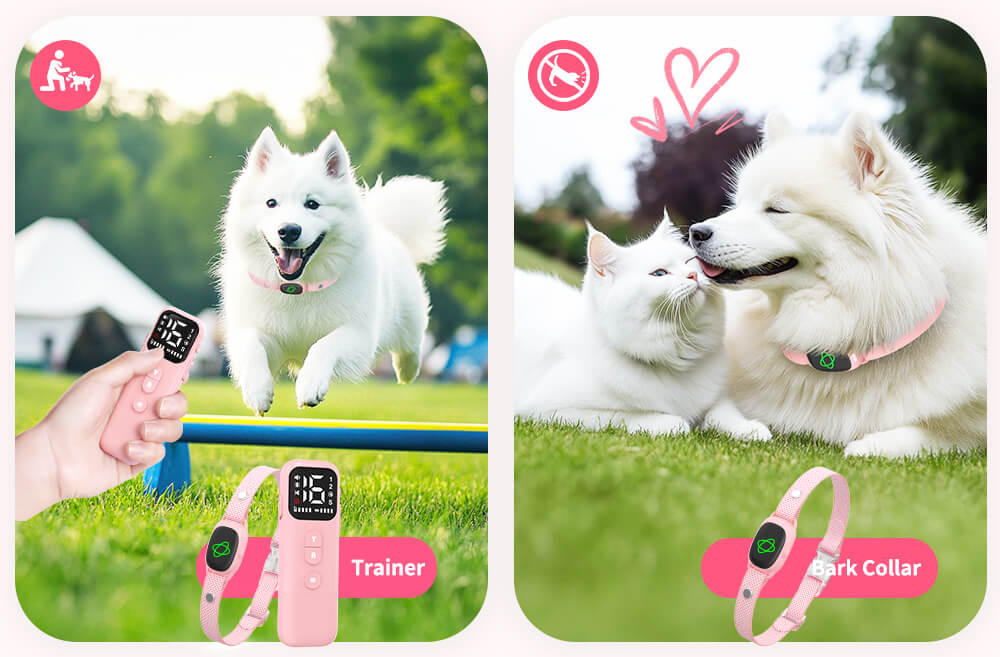
The shock collar is an electronic tool used for daily training dog and correcting bad behaviors. It consists of a handheld remote control and a receiver collar worn by the dog.
It sends command signals, such as sound, vibration, or static signals to the receiver through the transmitter. The receiver then picks up these signals and issues corresponding corrective feedback, including:
- Static Shock (Low-Level Stimulation): A gentle electrical pulse to get the dog’s attention.
- Vibration Mode(adjustable levels): Provides a physical vibration instead of shock.
- Beep or Tone Mode: A sound alert that can be used as a warning or recall signal.
Shock collars are primarily used for:
- Reducing excessive barking
- Correcting undesirable behaviors such as jumping, chewing, or chasing
- Enhancing recall training for off-leash freedom
When used correctly, they help dogs associate unwanted behavior with mild discomfort, encouraging better obedience.
Is a Shock Collar Safe for Dogs?
One of the biggest concerns dog owners have is safety. A shock collar is designed to startle, not harm. The electrical stimulation is very low—similar to the static shock you might feel when touching a metal surface after walking on carpet.
That said, misuse can lead to problems:
- Too high intensity can cause fear or stress.
- Overuse may result in anxiety and reduced trust.
- Improper fitting can cause skin irritation.
The key takeaway: shock collars are safe when used responsibly. They should never replace positive reinforcement training but should instead complement it.
How to Use a Shock Collar Correctly: General Guide
If you’ve decided to use a shock collar, follow these steps to ensure safe and effective training:
1. Choose the Right Collar
Select a collar that not only matches your dog’s size, breed, and temperament, but also allows you to adjust vibration and shock intensity for safer, customized training.
2. Introduce the Collar Gradually
Allow your dog to wear the collar without activation for a few days to get comfortable.
3. Start with the Lowest Setting
Begin with sound or vibration before moving to mild static stimulation.
4. Combine with Positive Reinforcement
Reward your dog with treats, praise, or play when they respond correctly.
5. Keep Training Sessions Short
Train for 10–15 minutes at a time to prevent stress.
6. Monitor Your Dog’s Reaction
Watch for signs of fear or discomfort, and adjust accordingly.
How to Use a Shock Collar for Specific Training Needs
1. How to Use a Shock Collar to Stop Bad Behavior
Dogs may jump on guests, chew furniture, dig excessively, or chase cars. A shock collar can help correct these behaviors by:
- Giving a warning beep when the unwanted behavior starts.
- Following with vibration or low-level shock if the behavior continues.
- Redirecting the dog to an appropriate activity (e.g., chew toy or sit command).
Consistency is critical. Correct the behavior every time it happens, and pair the correction with a command such as “No” or “Off.”
2. How to Use a Shock Collar to Stop Barking
Excessive barking is one of the most common reasons pet owners turn to shock collars. Here’s how to train:
- Start with the beep or vibration mode whenever your dog barks unnecessarily.
- If barking continues, use the lowest shock level.
- Once the barking stops, immediately reward your dog with praise or a treat.
Over time, your dog learns to associate silence with positive rewards. Avoid using the collar when barking is legitimate (e.g., alerting to danger).
3. How to Use a Shock Collar for Recall Training
Recall, or teaching your dog to come when called, is essential for safety. With a shock collar:
- Start indoors or in a fenced yard.
- Use a recall command like “Come” along with the beep or vibration.
- If the dog ignores, give a gentle shock followed by guiding them toward you.
- Reward heavily when they return.
Over time, the dog will associate the command with coming back quickly, even without stimulation. This is especially useful for off-leash training in safe outdoor areas.
What Are the Mistakes to Avoid When Using a Shock Collar?
Even with the right intentions, some owners misuse shock collars. Avoid these errors:
- Using the highest setting right away – Always start low.
- Over-relying on the collar – Use it alongside voice commands and rewards.
- Training too long – Sessions should be short and focused.
- Punishing after the fact – The collar should only be used in the moment, never after the behavior is over.
- Ignoring body language – Fear or stress signals mean you should lower intensity or take a break.
Alternatives to Shock Collar Training
Not every dog requires a shock collar. Depending on your training goals, you may consider:
- Vibration or sound collars – Provide gentle cues without static shock, suitable for sensitive or small dogs.
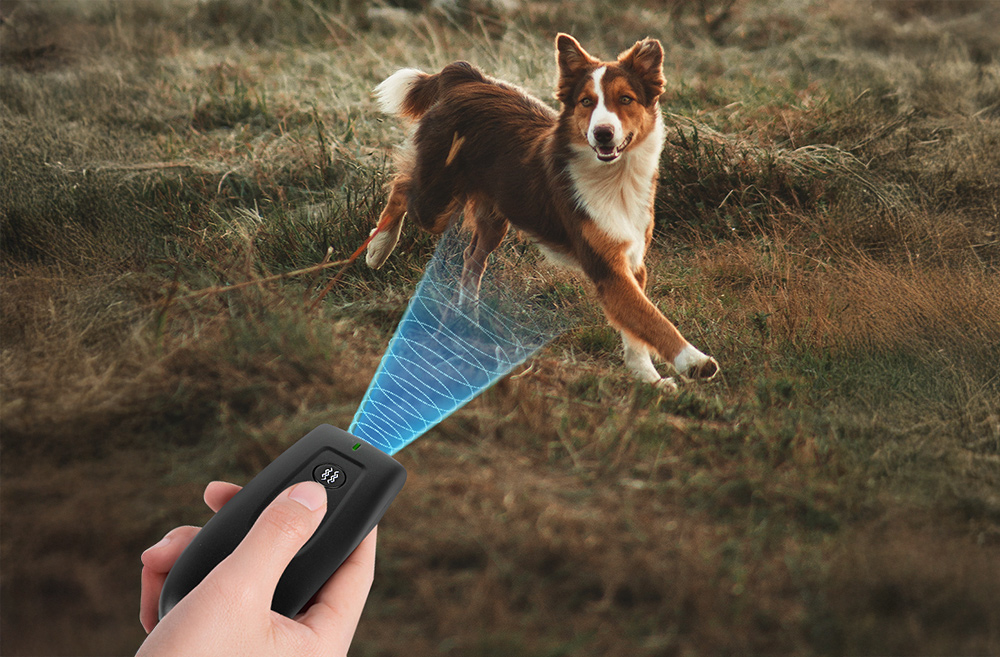
- Ultrasonic devices – Emit high-pitched sounds unpleasant to dogs, helping to reduce excessive barking.
- Clicker training – Uses a clicking sound with treats to reward good behavior and reinforce obedience.
- Professional training classes – Offer expert guidance, structured lessons, and socialization opportunities for dogs.
FAQ About Shock Collars
1. Can a shock collar hurt a dog?
No, modern collars are designed to be safe. The stimulation is mild and not harmful. However, improper use (too high or too frequent) can cause discomfort or stress.
2. Can you use a shock collar on a puppy?
It’s not recommended for puppies under 6 months. Young puppies are still developing physically and emotionally. Early training should focus on positive reinforcement.
3. Can you use a shock collar on a cat?
No. Cats have different anatomy and behavior patterns, making shock collars inappropriate and unsafe for them.
4. Are e-collars cruel?
Not inherently. Cruelty depends on misuse. When used responsibly, with proper settings and combined with rewards, e-collars are simply another training tool.
5. Do vets recommend shock collars?
Opinions are divided. Some veterinarians and trainers approve cautious use for stubborn behaviors, while others prefer positive reinforcement only. The best approach is to consult with your vet about your specific dog’s needs.
Final Tips for Responsible Shock Collar Training
Think of the shock collar as a communication tool, not punishment.
- Always start with the mildest form of correction.
- Reward correct behavior more than you correct bad behavior.
- Train with patience, consistency, and compassion.
- Seek professional guidance if you’re unsure how to proceed.
Looking for a Reliable Shock Collar Manufacturer?
If you are a wholesaler, pet supply brand, or e-commerce retailer looking for high-quality shock collars in bulk, TIZE is here to help.
As a professional pet training device manufacturer in China, we specialize in producing customizable e-collars with adjustable vibration and shock levels, ensuring safe and effective training solutions for dogs of all sizes.
Whether you need OEM/ODM services, bulk orders, or branded private labeling, TIZE provides reliable manufacturing, strict quality control, and competitive pricing.
Contact us today to discuss your wholesale or OEM shock collar requirements and grow your business with TIZE.
Conclusion
Shock collars remain one of the most controversial tools in the dog training world. But when used correctly—with the lowest settings, short sessions, and consistent positive reinforcement—they can be safe and effective in teaching obedience, stopping excessive barking, and improving recall.
Remember: the collar is just one piece of the puzzle. A loving bond, patience, and consistent training are what truly create a well-behaved and happy dog.
What Types of Stop Dog Barking Device Are There?
What Is the Best Bark Collar for a Dog?
Related Article