Why Cats Need a GPS Tracker Even More Than Dogs
At our product development lab, we spent months analyzing real-world pet loss data before building our first GPS tracker. What we found surprised even us: cats are statistically harder to locate when lost, more prone to silent roaming, and far less likely to be recovered than dogs. Yet the pet tracking market had been almost exclusively designed around dogs.
That gap in the market drove us to engineer a GPS tracker built specifically around how cats behave — their stealth, their independence, and their tendency to vanish without warning. If you share your home with a cat, here's what we learned that you need to know.
Cats Are Built for Silence — And That's the Problem
Dogs are social and loud. When they go missing, people notice. Cats are the opposite — they are hardwired for stealth. They slip through cracked windows, squeeze under garden gates, and disappear into neighboring yards without making a single sound.
What makes this especially dangerous is the cat's instinct to hide when scared or injured. A lost cat that's been spooked by traffic or hurt by a fall will often crouch in a tight, dark space and stay completely still — sometimes just meters from home, completely invisible to a searching owner.
When we designed our tracking hardware, this hiding behavior was one of our primary engineering challenges. A cat GPS tracker needs to work in dense urban environments, within confined spaces, and maintain signal even when a cat is wedged under a deck or behind thick vegetation. Standard GPS alone doesn't cut it — which is why our devices combine GPS, Wi-Fi positioning, and cellular triangulation to maximize location accuracy wherever your cat ends up.
The Recovery Rate Gap No One Talks About
Before we launched, we dug deep into shelter and recovery statistics. The numbers are stark: less than 2% of lost cats that enter animal shelters are ever reunited with their owners, compared to roughly 15–20% of dogs. The reasons are consistent across studies:
- Cats rarely wear collar ID tags reliably — collars slip off or owners don't fit them consistently
- Cats hide and stay hidden when scared, making them nearly impossible to locate by sound or sight
- Owners search the wrong areas because cats don't move in predictable patterns
- The assumption that "cats always come back" leads owners to wait too long before acting
Every one of these failure points can be addressed with a reliable cat location tracker. That's not a marketing claim — it's the engineering brief we handed our team from day one.
How Far Do Cats Actually Roam? The Data Is Surprising
GPS research on free-roaming domestic cats consistently shows that owners dramatically underestimate how far their pets travel. The average outdoor cat covers 1 to 3 acres of territory. Unneutered males can range across 1,500 acres or more. Even cats that appear to stay close to home are often venturing several blocks away when their owners aren't watching.
These aren't just curiosity trips. Cats cross busy roads, enter construction sites, slip into drainage systems, and explore areas with predator risks. When we run field tests with our outdoor cat tracker prototypes, we routinely see test cats visiting locations their owners had no idea about — sometimes 500 meters away within a single afternoon outing.
This data shaped two core features in our tracking platform: live location updates and detailed movement history. Knowing where your cat is right now matters. But understanding where your cat regularly goes — which roads it crosses, which properties it enters — gives you the insight to make smarter decisions about outdoor access and safety.
What Makes a GPS Tracker Actually Work for Cats
Not all pet trackers are created equal — and most were not built with cats in mind. Through extensive testing with cat owners across Europe and North America, we identified the specs that separate a genuinely useful cat GPS tracker from one that ends up in a drawer.
Weight under 35g
Cats tolerate collar attachments very differently from dogs. Our internal testing showed that devices over 35–40g caused cats to scratch at their collars, groom excessively, or simply refuse to wear them. Every gram we shave off the hardware improves compliance — and a tracker your cat won't wear is worthless.
Multi-signal location technology
GPS alone struggles in dense suburban environments — between buildings, under tree canopy, or inside structures. The best cat GPS trackers layer GPS with Wi-Fi positioning and cellular signal triangulation to fill coverage gaps and deliver accurate coordinates even in challenging conditions.
Customizable safe zones with instant alerts
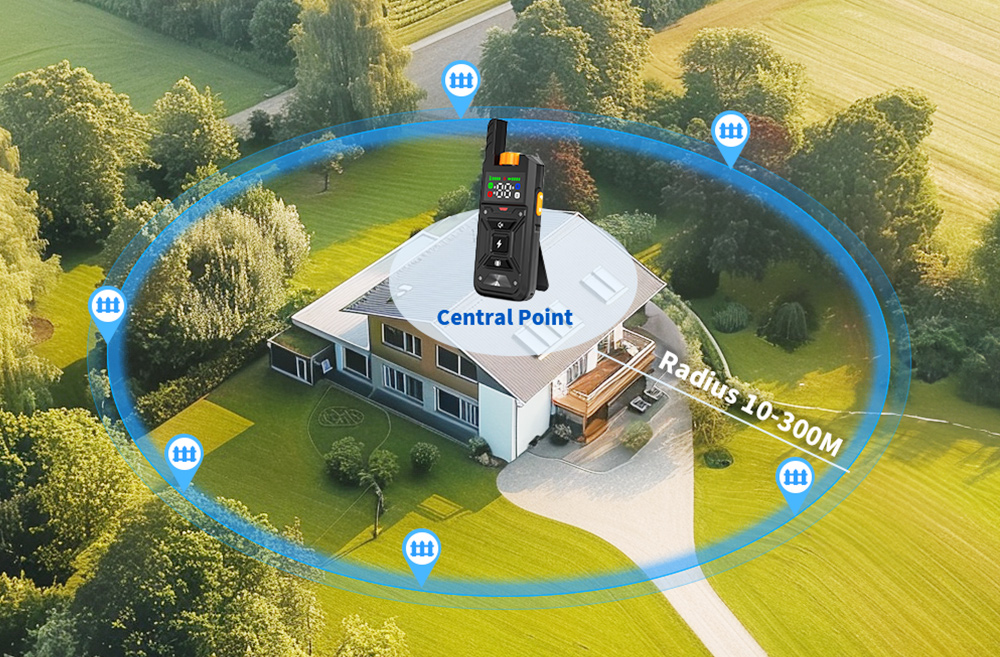
Safe zone geofencing — where you define a boundary and receive an alert the moment your cat crosses it — is one of the highest-value features in any outdoor cat tracker. It shifts you from reactive searching to proactive awareness. You know your cat left before it's been gone for hours.
Battery life of 5–7 days minimum
A tracker that dies after 24 hours creates false security. Cats that stay out overnight, or whose owners forget a nightly charge, lose protection at exactly the wrong moment. We engineered our devices to last 5 to 7 days on standard tracking mode, with an extended power-saving mode for when your cat is stationary at home.
Indoor Cats Aren't as Safe as You Think
One of the most common pieces of feedback we hear from customers is: "I didn't think I needed this — my cat never goes outside." Then a door gets left open, a screen pops out, a delivery driver doesn't notice the cat slipping past their feet.
Indoor cats that escape are often completely unprepared for the outside world. They panic, they run, and they hide fast. Without a GPS cat collar tracker already in place, the window for quick recovery closes rapidly. By the time an owner realizes their cat is gone and starts searching, the cat could be blocks away and completely concealed.
For any cat with even a theoretical chance of getting outside — which is nearly every cat — a full GPS solution offers protection that Bluetooth-only or microchip-only approaches simply cannot match.
The Real Value: Knowing, Not Wondering
We build GPS trackers because we believe pet owners deserve certainty. Not the fragile reassurance of "she always comes back" — but actual, real-time knowledge of where their animal is.
Cats are independent, clever, and endlessly curious. That's part of what makes them wonderful companions. It also makes them genuinely difficult to keep track of. A well-engineered GPS tracker doesn't change your cat's nature — it simply gives you the tools to stay connected to them, even when they're off doing whatever it is cats do when no one is watching.
The gap between dogs and cats in the pet tracker market is closing — because the need was always there. It just took manufacturers willing to design for how cats actually live.
If you would like to learn more about our pet GPS tracking solutions, please feel free to contact us.
Email: sales6@tize.com.cn
WhatsApp: 86 13632661726
How to Find a Pet Supplies Supplier: Complete Guide 2026
How to Source the Best Anti Bark Shock Collars for Bulk Orders
Related Article