How to Stop Your Puppy from Barking in Different Cases
Puppies are adorable, playful, and full of energy—but their barking can sometimes be overwhelming. While barking is a natural way for puppies to communicate, excessive barking can become a challenge for pet owners.
Understanding why your puppy barks and using the right training techniques can help you manage this behavior effectively. In this guide, we’ll explain how to stop your puppy from barking at people, other dogs, and even during the night.
Why Puppies Bark
Barking is one of the primary ways puppies communicate. It can signal excitement, fear, attention-seeking, or even boredom. Before attempting to reduce barking, it’s important to understand why your puppy is doing it.
Common triggers include:
- Strangers: Puppies may bark at new people due to fear or curiosity.
- Other Dogs: Meeting new dogs can trigger excitement or territorial behavior.
- Nighttime: Puppies may bark at night if they feel lonely or anxious.
- Separation Anxiety: Puppies often bark when left alone, expressing distress.
Is It Normal for Puppies to Bark at Night?
Yes, nighttime barking is quite common for young puppies. They are still adjusting to being away from their mother and littermates. Nighttime barking usually decreases as your puppy grows older and becomes more comfortable in their environment. However, consistent nighttime barking can indicate anxiety or discomfort, which should be addressed early.
How to Identify the Cause of Your Puppy's Barking
Before you can stop the barking, you need to identify the cause. Observing your puppy closely can help you recognize patterns in their behavior.
- Watch for Triggers: Notice when your puppy barks—at people, other dogs, noises, or while alone.
- Differentiate Normal vs. Problem Barking: Occasional barking is normal, but frequent, uncontrollable barking may need intervention.
- Behavioral Clues: Pay attention to body language. Fearful barking often comes with cowering, while excitement-driven barking may include jumping and tail wagging.
Identifying the root cause is essential for applying the most effective training methods.
How to Stop Your Puppy from Barking in the Crate
Crate barking is a common issue, often caused by anxiety, boredom, or lack of routine. To reduce barking, start by making the crate a positive and comfortable space. Place soft bedding, a favorite toy, or a chew treat inside to create a sense of security.
Gradual crate training is key. Begin with short periods while staying nearby, rewarding your puppy for calm behavior. Slowly increase the duration over days or weeks, ensuring the puppy associates the crate with safety, not punishment.
Establish a consistent routine: feed, play, and bathroom breaks should happen before crate time. A tired puppy is less likely to bark excessively.
Avoid giving attention when your puppy barks in the crate, as this reinforces the behavior. Instead, wait for a pause, then reward calmness. Soft background noise or a cover over the crate can also reduce anxiety-related barking.
If your puppy continues to bark despite consistent training, consider consulting a professional trainer to address potential separation anxiety. With patience, positive reinforcement, and a structured routine, most puppies learn to feel secure and quiet in their crate.
How to Stop Puppy from Barking at People
Barking at people is a common issue, especially for puppies who are shy or overly protective. The key is to train your puppy to remain calm when new people approach.
- Positive Reinforcement: Reward your puppy for calm behavior with treats or praise.
- Teach the “Quiet” Command: Say “quiet” calmly when your puppy barks, then reward them when they stop.
- Gradual Socialization: Introduce your puppy to strangers slowly, starting from a distance and gradually decreasing it over time.
- Avoid Punishment: Yelling or hitting can increase fear and worsen barking behavior.
Consistency is crucial. With patience and positive reinforcement, your puppy can learn to greet new people calmly.
How to Stop Puppy Barking at Other Dogs
Puppies often bark at other dogs due to fear, territorial instincts, or excitement. Understanding the type of barking is the first step to addressing it effectively.
1. Fearful Barking:
Signs: crouching, tail tucked, ears back, trying to retreat.
How to handle: Use gradual desensitization—expose your puppy to other dogs from a safe distance, rewarding calm behavior. Avoid forcing interaction, which can increase fear. Offer treats and praise when your puppy stays relaxed.
2. Territorial or Protective Barking:
Signs: stiff body posture, direct staring, barking loudly when another dog approaches.
How to handle: Teach focus and “quiet” commands. Redirect attention away from the approaching dog with a treat or toy. Gradually expose your puppy to dogs passing by while reinforcing calm behavior. Over time, your puppy learns that not every dog is a threat.
3. Excitement or Energy-Driven Barking:
Signs: jumping, wagging tail, playful lunging.
How to handle: Ensure your puppy gets plenty of exercise and mental stimulation. Practice short, controlled interactions with other dogs, rewarding calm behavior. Structured play sessions can reduce overexcitement.
Key Tip: Always reward calm and appropriate behavior. Avoid yelling or punishing barking—it often worsens fear or aggression. Consistent, positive reinforcement teaches your puppy how to respond politely to other dogs.
How to Train a Puppy to Stop Barking at Night
Nighttime barking is often linked to separation anxiety or discomfort. Establishing a bedtime routine can help your puppy feel secure and reduce nighttime vocalization.
- Create a Comfortable Sleeping Space: Use a crate or bed in a quiet, warm area. Add a blanket or a soft toy to simulate the presence of littermates.
- Establish a Routine: Feed and exercise your puppy before bedtime. Puppies sleep better when their energy is spent.
- Gradual Alone Training: If your puppy barks when left alone, start with short intervals and gradually increase the time. Reward calm behavior when you return.
- Soothing Sounds: Soft music or white noise can reduce anxiety-related barking.
By providing comfort and structure, most puppies learn to sleep through the night without barking.
General Tips to Reduce Excessive Barking
Even with specific training, general strategies help control overall barking:
- Consistency is Key: Use the same commands and rewards every time. Puppies respond best to predictable routines.
- Mental and Physical Exercise: Regular walks, playtime, and puzzle toys help reduce boredom and energy-driven barking.
- Avoid Reinforcing Bad Behavior: Do not reward barking with attention, even if the puppy seems cute.
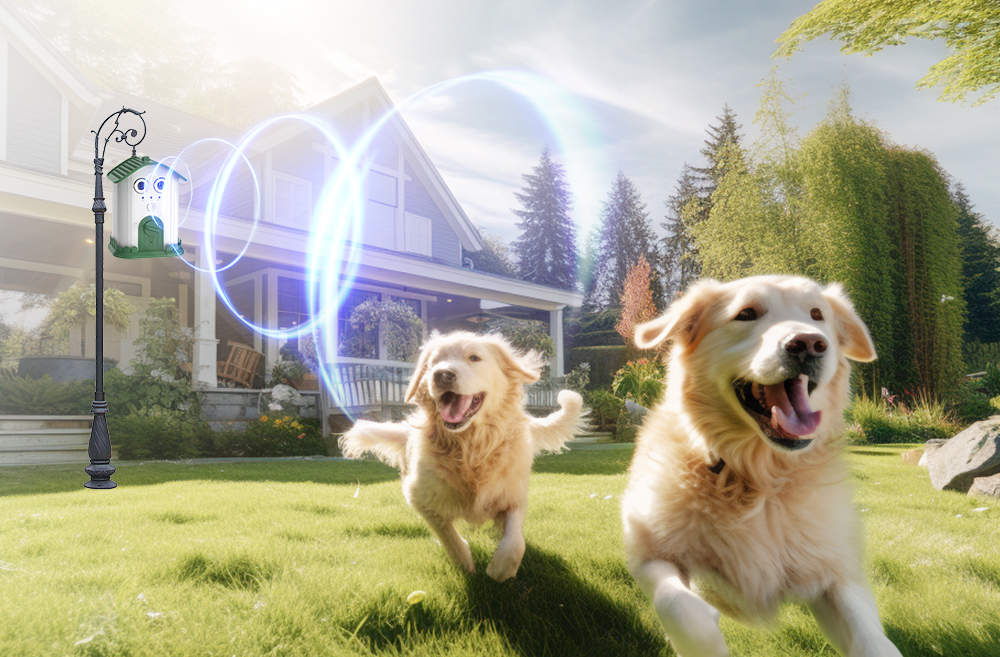
- Training Tools (Optional): Devices like vibration bark collars or ultrasonic bark deterrents can help in extreme cases but should always be used carefully and alongside training.
When Your Puppy’s Barking Requires Expert Support
Sometimes, despite your best efforts, your puppy’s barking doesn’t improve. This is when professional guidance can make a real difference.
- Persistent or Aggressive Barking: If your puppy barks nonstop at people, dogs, or noises despite training, professional guidance can help address the root cause.
- High Levels of Stress or Anxiety: Puppies showing signs of fear—shaking, hiding, or panic barking—may need behavior modification techniques that a trainer or vet can provide.
- Complex Behavioral Issues: If your puppy displays mixed behaviors, such as aggression combined with fear or separation anxiety, a customized training plan is often necessary.
Seeking professional help isn’t a sign of failure—it’s a way to ensure your puppy grows into a well-adjusted, confident dog. Early intervention can prevent small barking issues from turning into long-term behavioral problems.
Conclusion
Puppy barking is a natural behavior, but excessive barking can be managed with patience, consistency, and understanding. By identifying the cause of your puppy’s barking, using positive reinforcement, and establishing routines, you can teach your puppy to be calm and well-behaved. Remember, every puppy is different—success comes with time, dedication, and lots of love.
How to Stop a Dog from Barking: 10 Useful Methods
Related Article